How Czech Republic Imports Russian Wood Despite EU Sanctions: A Closer Look at the Scheme.

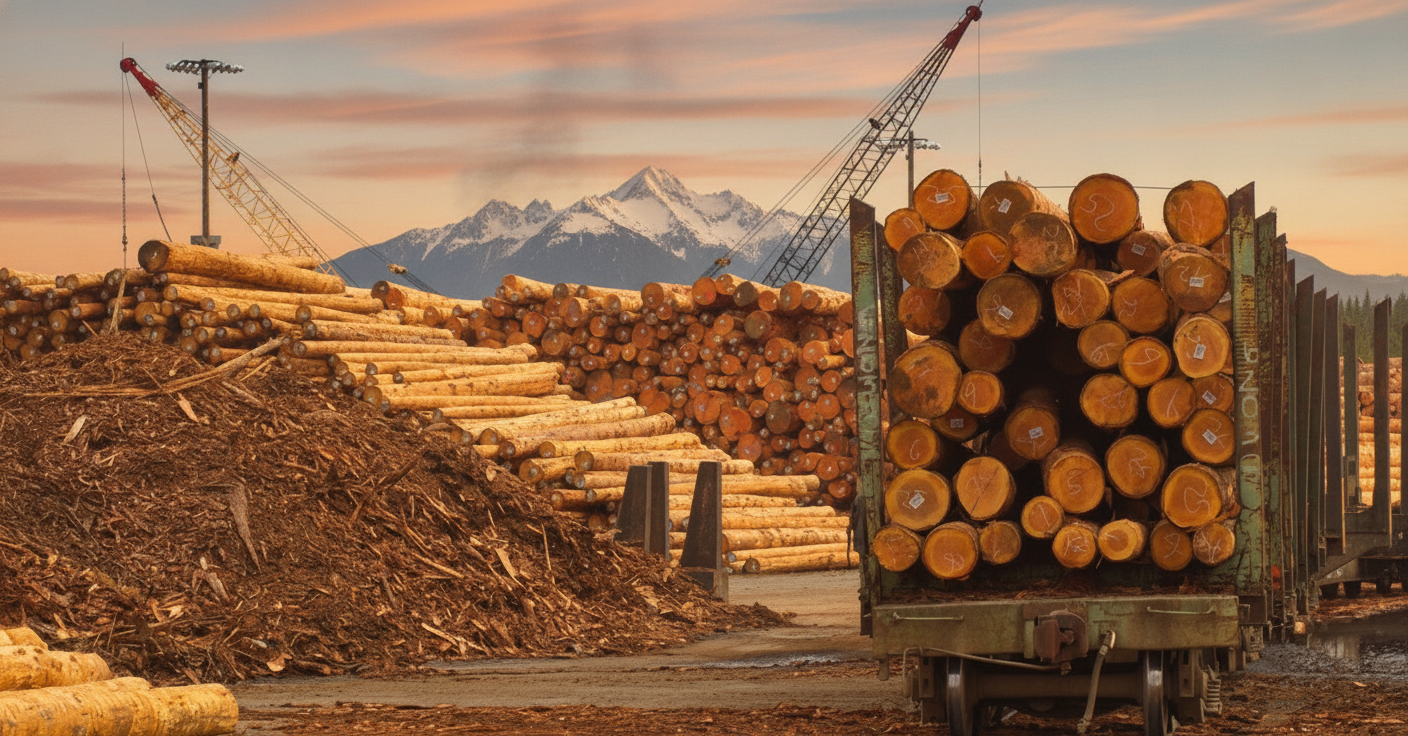
Russian Timber Still Reaching Czech Republic
According to Espreso.tv: A Czech media outlet has uncovered that timber originating from Russia continues to enter the Czech Republic, in apparent violation of European Union sanctions. Since the war in Ukraine began, imports of Siberian larch from Russia had dropped to zero. However, at the same time, shipments of wood from China and other nations have surged. Baltic countries have already alerted Prague to this development, raising concerns that the restrictions are being circumvented.
EU sanctions on Russian-origin timber have been in place since 2022. Before the full-scale invasion, the Czech Republic imported roughly 22,000 tons of Siberian larch from Russia each year. After the war started, those direct imports ceased. Yet the volume of wood arriving from China has jumped from just a few tons to hundreds of tons annually. Additionally, since 2022, partial shipments from Serbia and Turkey have also appeared in trade databases.
Sanctions Evasion Challenges
David O'Sullivan, an EU official, has described China as a 'very big problem' for the effectiveness of sanctions against Russia. He stressed that some supply chains are likely bypassing the restrictions, undermining the intended impact. Meanwhile, Kazakhstan is tightening its export controls to limit the transit of sanctioned goods, a move that could reshape regional timber markets.
An anonymous Czech timber trader confirmed: 'After the war started and sanctions were imposed, we stopped buying Siberian larch. But one of our long-time Russian suppliers offered to keep delivering.'
This situation has alarmed governments striving to monitor wood imports of Russian origin and enforce international sanctions.
These detected cases of Russian timber entering the EU via third countries reveal potential loopholes in the sanctions framework, weakening their overall effectiveness. As nations work to prevent evasion, stronger oversight by international bodies and national authorities is needed to stop trade in strategic goods that props up the aggressor's economy. The episode also highlights the urgent need for global cooperation to ensure sanctions are respected and to counter evasion tactics.
Read also
- New U.S. Tariffs Hit 60 Nations: Here Are the Rates for the EU and Russia
- Russia’s Oil and Gas Revenue Set to Surge by 60%—Here’s What’s Driving the Jump
- IMF Disburses $690 Million Second Tranche to Ukraine: Where the Funds Are Going
- Russia’s Budget Deficit Could Hit 7 Trillion Rubles—What Are the Default Risks?
- Expert Sets Critical Threshold: 60% of Russia's Oil Refining Capacity Must Be Destroyed
- Russia Faces Imminent Fuel Crisis: Why Refinery Recovery Is Nearly Impossible, Expert Warns