June 11 Kickoff for 2026 World Cup: 48 Teams, 104 Matches, and Nearly $9 Billion in Revenue.

2026 FIFA World Cup Overview
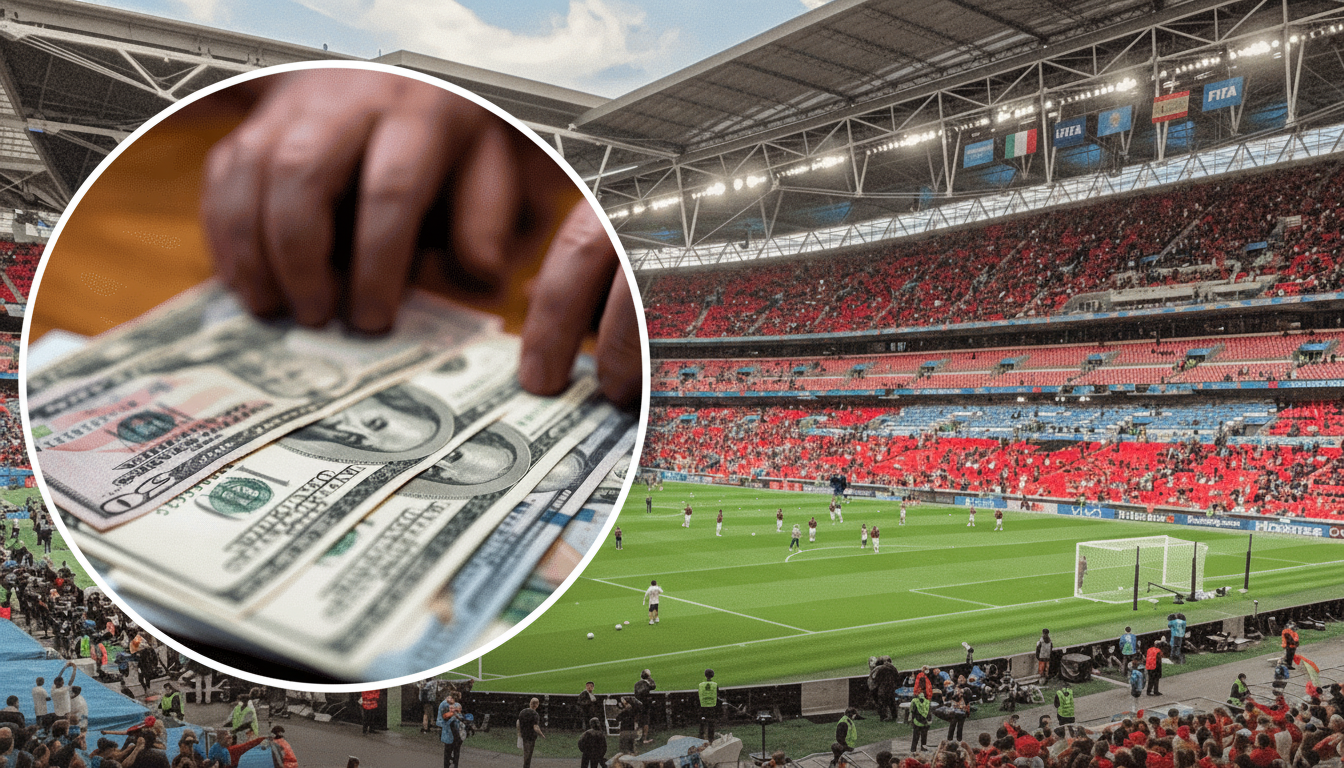
According to Novyny.live: The 2026 FIFA World Cup is set to begin on June 11 at 22:00 Kyiv time. A total of 48 national teams will compete, with the number of matches increasing to 104. The tournament will be hosted across three countries: the United States, Mexico, and Canada, with projected revenue reaching approximately $9 billion.
Ticket Prices and Market Expectations
Tickets for the championship final are priced at nearly $2.3 million, reflecting sky-high expectations for the concluding match. In contrast, tickets for Mexico’s opening game against South Africa start at $575. Currently, around 180,000 tickets remain unsold, which could impact overall sales performance.
For Iran’s matches, roughly 16,000 seats are available, with the cheapest ticket priced at $138. As for the U.S. team’s opening match against Paraguay, more than 4,400 tickets are still up for grabs.
Interestingly, the average resale price for Colombia’s matches is five times higher than the original face value. The average resold ticket for the Colombia vs. Portugal game reaches $3,000. Mexico’s matches have only about 300 tickets left, selling at four times their nominal price. Tickets for Scotland’s matches are also being resold at an average of 85% above the original cost.
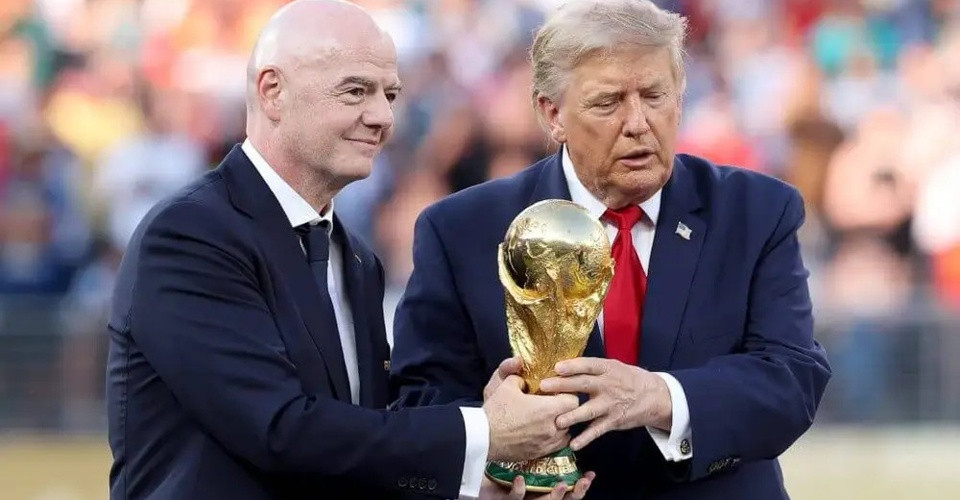
FIFA President Gianni Infantino noted: 'Such amounts do not mean that buyers are actually willing to pay them.'
The 2026 World Cup promises to be not just a sporting event but also a major economic driver, capable of attracting massive investments and global fan attention.
The significance of the 2026 World Cup extends beyond sports, as it is expected to become a pivotal event for the host countries’ economies. Expanding the number of teams and matches could boost tourism infrastructure and create new jobs. However, high ticket prices and a considerable number of unsold seats may signal risks related to sales success, warranting further analysis and potential adjustments to marketing strategies.
Read also
- Ukrainian Volleyball Star Dmytro Yanchuk Tops 2026 Nations League in Aces with 21
- Kevin Keegan, Two-Time Ballon d'Or Winner, Dies After Battle with Cancer
- Commander of the 107th Brigade Denys Perch Highlights Key Military Challenges: Infantry Shortages and Red Tape
- Ferran Torres’s lone goal secures Spain’s 2026 World Cup victory in New Jersey final
- Ferran Torres’ Extra-Time Strike Secures Spain’s Second World Cup Title
- England Crushes France 6–4: Saka's Hat-Trick and Bellingham's Historic Record