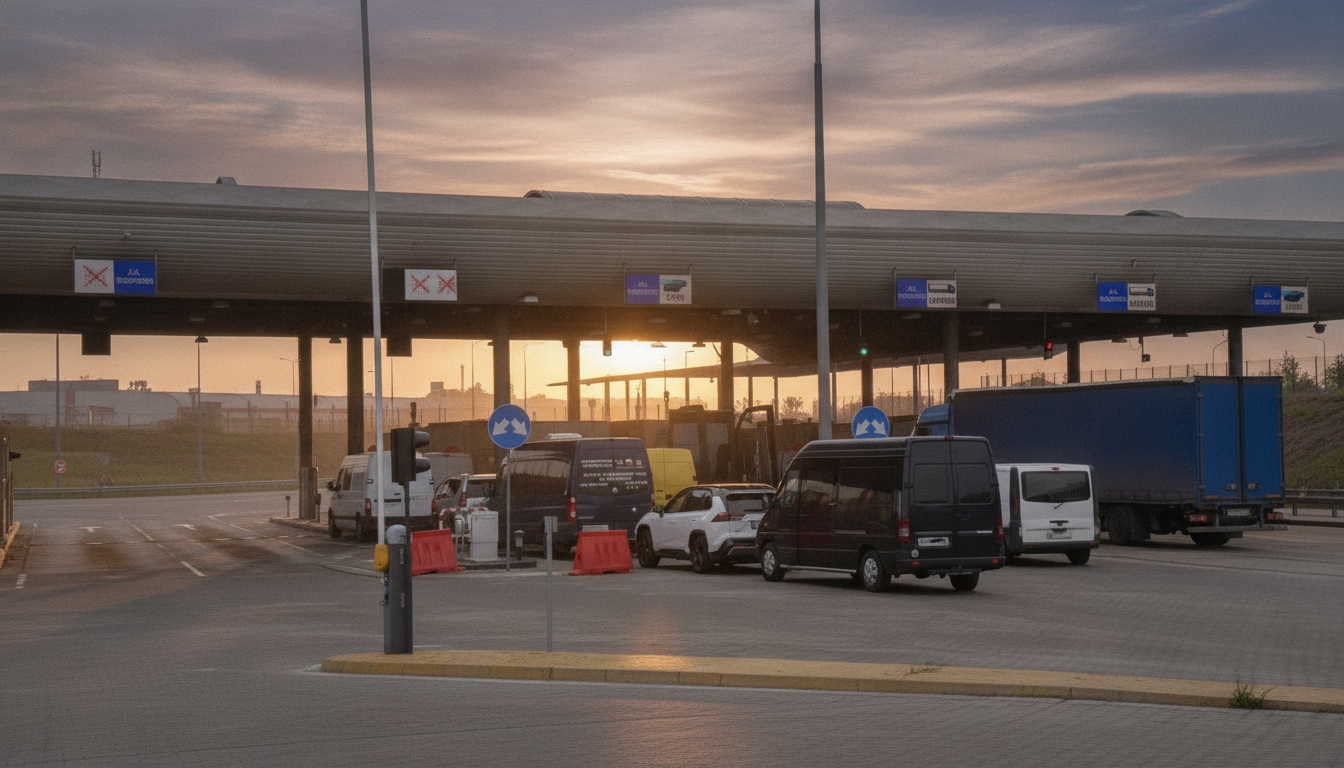
Border Delays on March 6: Queues Reported at Ukraine's Crossings with Poland and Neighbors.

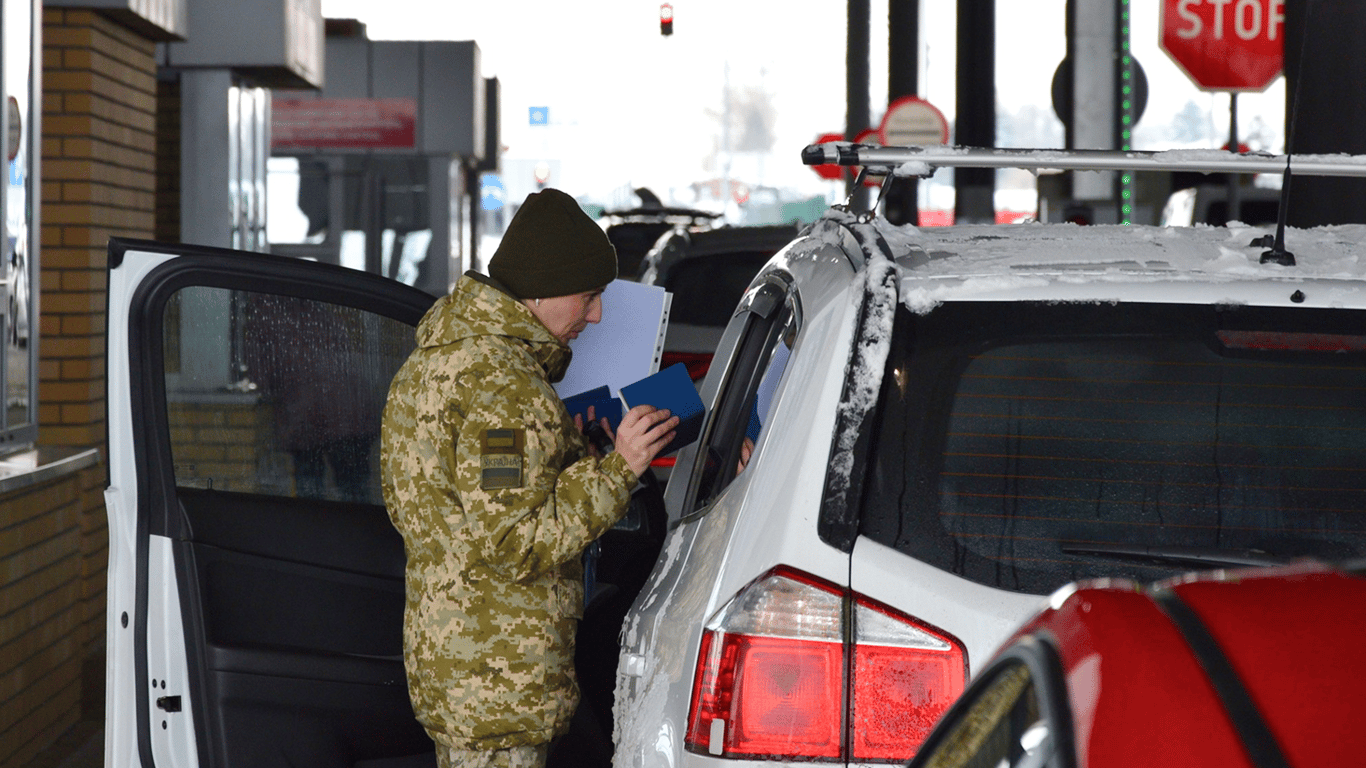
Ukraine's Border Situation
According to Novyny.live: Significant queues formed at several of Ukraine's border crossings on March 6, affecting checkpoints with Poland, Slovakia, Hungary, Romania, and Moldova. As of 12:00, the longest delays were observed at the Polish border, where enhanced control measures have complicated passage. These disruptions are part of an ongoing pattern of border challenges for Ukraine, impacting both commercial and civilian movement.
The 'Yahodyn' crossing reported no buses, and pedestrian passage was suspended. At 'Ustyluh', 20 cars and 1 bus were waiting, but pedestrian crossing was also halted. The crossings at 'Uhryniv', 'Rava-Ruska', 'Hrushiv', 'Tysa', 'Dyakove', 'Solotvyno', and 'Mamalyha' had no cars or buses, with pedestrian passage suspended at most of them.
- The 'Krakivets' crossing had 20 cars in line, with no pedestrian passage.
- At 'Shehyni', 15 cars were queued, though pedestrian crossing was operational in both directions.
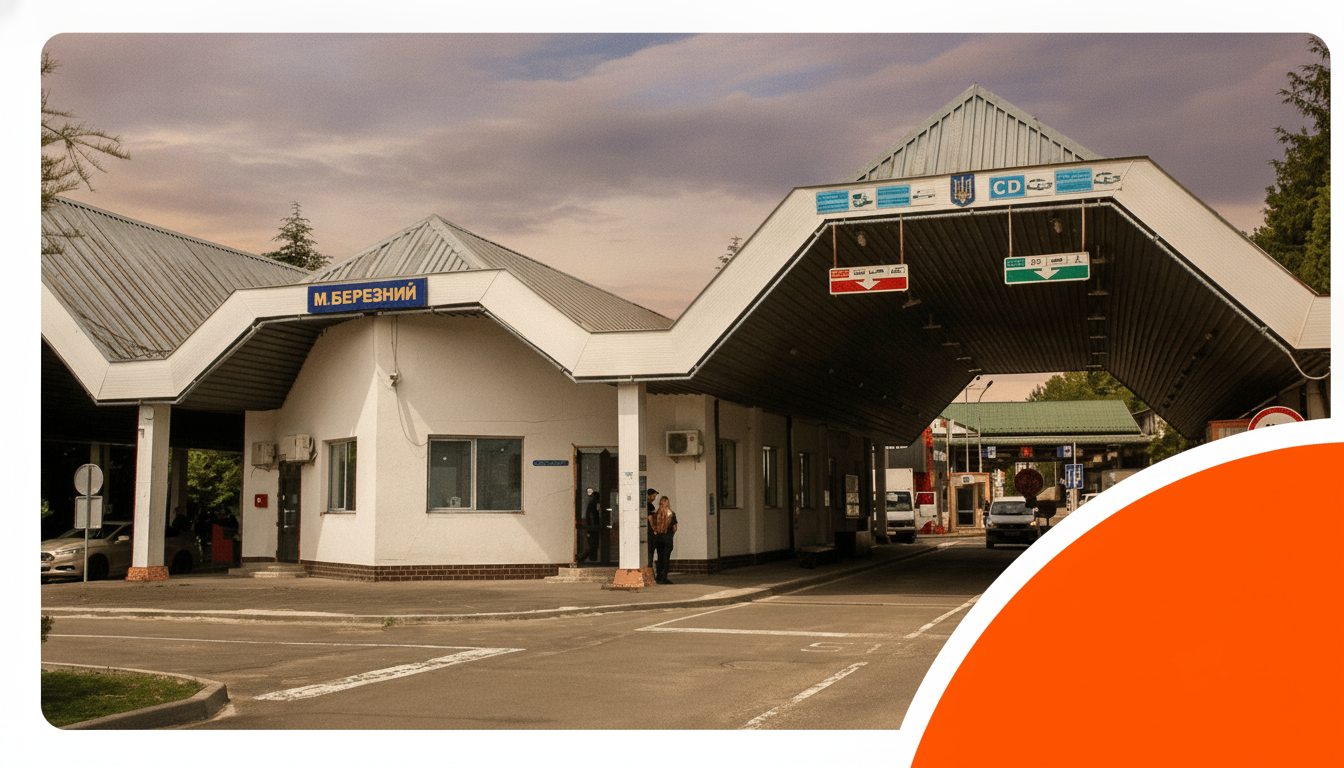
- The 'Malyi Bereznyi' crossing had no cars, but pedestrian crossing was open in both directions.
- The 'Uzhhorod' crossing had no cars or buses, yet pedestrian crossing was possible in both directions.
No pedestrians were recorded at the 'Mali Selmentsi' crossing, which operates from 09:00 to 21:00. The 'Dzvinkove' and 'Kosyno' crossings are operating on limited schedules, from 08:00 to 19:00 and 08:00 to 20:00 respectively.
Consequently, the situation at the border with Poland and other neighboring states remains difficult, with restrictions on pedestrian movement causing significant delays and queues.
The border conditions indicate heightened control, likely due to increased passenger traffic or specific security measures implemented by border guards.
These disruptions can affect road traffic and transportation, requiring attention from state authorities to ensure more comfortable border crossing conditions. Such delays may also carry socio-economic consequences, particularly for businesses reliant on international freight and travel.
Read also
- Slovakia Halts Schengen Tourist Visas for Russians: Who Can Still Enter?
- Long Lines at Ukraine’s Border on July 6: Hundreds of Cars and Pedestrians Queue to Enter the EU
- July 5 Border Chaos: 15 Checkpoints Blocked Across Four Countries
- New Entry Rules for Moldova: What Drivers in the Odesa Region Need to Know
- 2026 ETIAS Launch by EU: Which Ukrainians Are Exempt from the Permit Requirement
- Massive Traffic Jams at Three Ukrainian Borders: Which Checkpoints Are Blocked