Fuel Prices in Ukraine Remain Elevated: A Look at Costs on March 9.

Fuel Prices in Ukraine
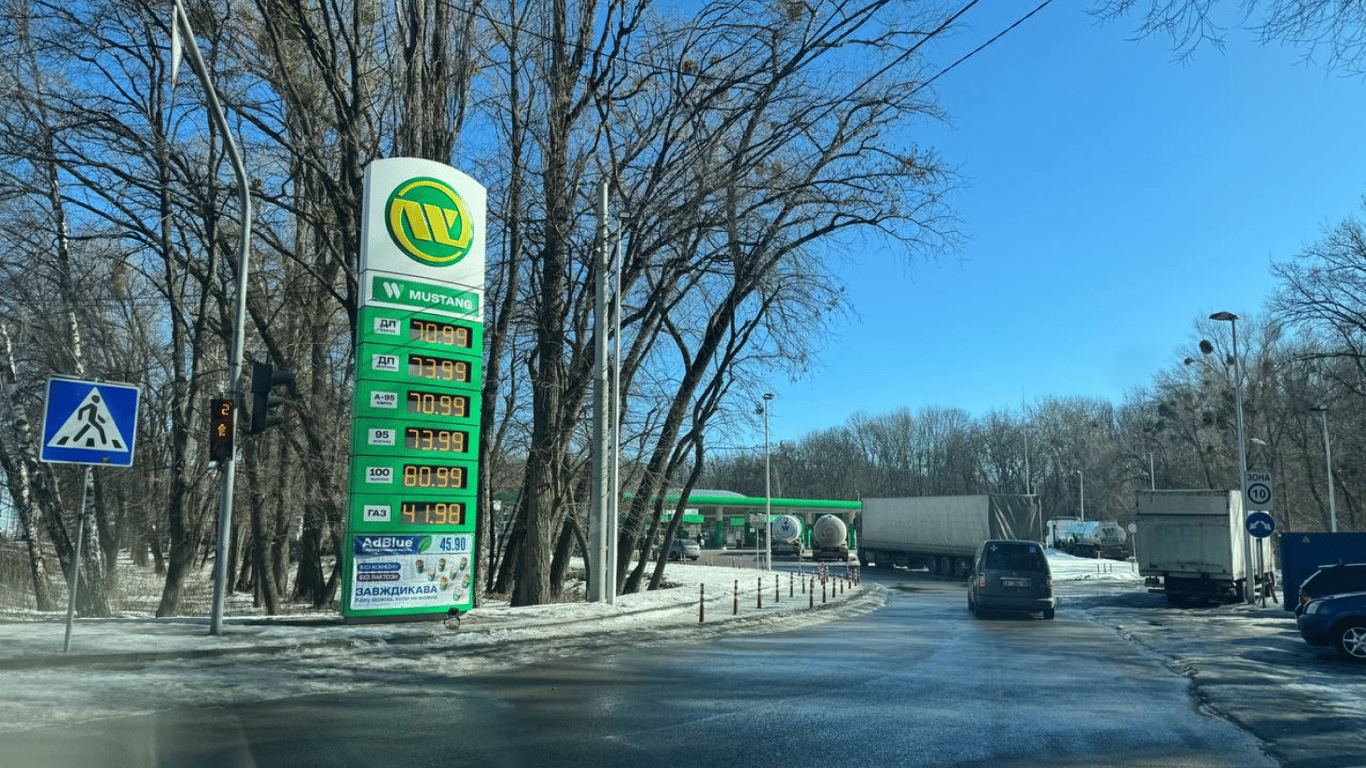
According to Novyny.live: As of March 9, 2026, fuel prices in Ukraine continue to stay high. This sustained increase is primarily driven by the ongoing war in the Middle East and persistent instability in global energy markets, which have kept pressure on costs for months.
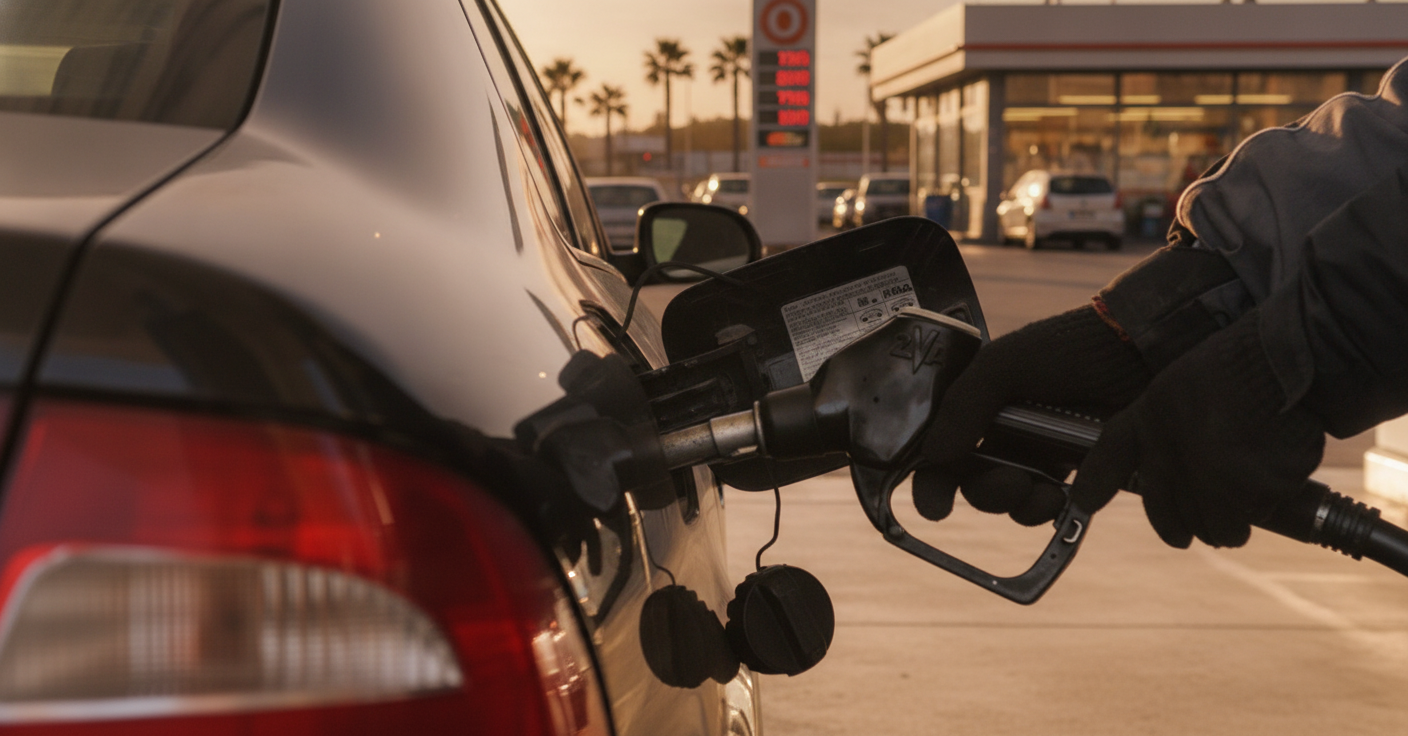
In the Kyiv region, a liter of standard '95' gasoline now starts at 65.25 UAH, while the premium 'A 95+' grade costs from 69.99 UAH per liter. Diesel fuel in the area sells for a minimum of 67.25 UAH per liter, and autogas (LPG) is priced from 36.99 UAH per liter.
Prices vary across major cities. In Lviv, '95' gasoline ranges from 65.99 to 70.99 UAH per liter, with 'A 95+' priced between 70.90 and 73.99 UAH. In Kharkiv, 'A 95' gasoline is available from 63.90 UAH per liter, and 'A 95+' from 66.98 UAH. In the same city, 'A 92' gasoline starts at 63.99 UAH, diesel fuel at 63.90 UAH, and autogas at 37.78 UAH per liter.
Average Prices and Forecasts
The national average fuel prices as of March 8 were as follows:
- 'A 95+' - 72.31 UAH
- 'A 95' - 68.37 UAH
- 'A 92' - 65.80 UAH
- Diesel - 69.10 UAH
- Autogas (LPG) - 40.33 UAH
Since the outbreak of the Middle East conflict, the price per liter for gasoline and diesel has risen by approximately 5 to 10 UAH.
"Oleksiy Kushch forecasts that fuel prices could reach 100 hryvnias per liter."
Industry experts are already issuing warnings about further potential hikes. Nina Yuzhanina, for instance, notes that gasoline prices could even climb as high as 150 UAH. These predictions are causing significant concern among consumers, who are facing steadily rising fuel expenses. The situation highlights Ukraine's vulnerability to global oil market shocks, especially during a period of domestic economic strain.
The surge in Ukrainian fuel costs is a direct consequence of global economic factors, particularly Middle Eastern conflicts that disrupt worldwide oil markets. Higher fuel prices are likely to have a cascading negative effect on consumers, leading to increased transportation costs and, consequently, more expensive goods and services. Analysts stress the critical need for continuous monitoring of the situation and for government policy adaptations to mitigate the impact of these external pressures on the domestic fuel market.
Read also
- Fuel Prices in Ukraine Set to Jump by 7–8 Hryvnias: Here’s When the Increase Is Expected
- Ukraine’s Intelligence Warns of Systemic Crisis in Russia as Wage Arrears Surge by 78%
- Fuel Crisis in Russia Drives a Sharp Drop in Car Sales
- Ride-Hailing Costs Set to Rise in Ukraine: New Taxes Target Bolt and Uklon in 2026
- Credit Card vs. Online Loan: Which One Saves Ukrainians More Money?
- Russia’s War in Ukraine Marks a Historical Turning Point as Its Economy Cracks Under Pressure