YASNO Explains Rising Electricity Bills: The Impact of Shifting Consumption Patterns.

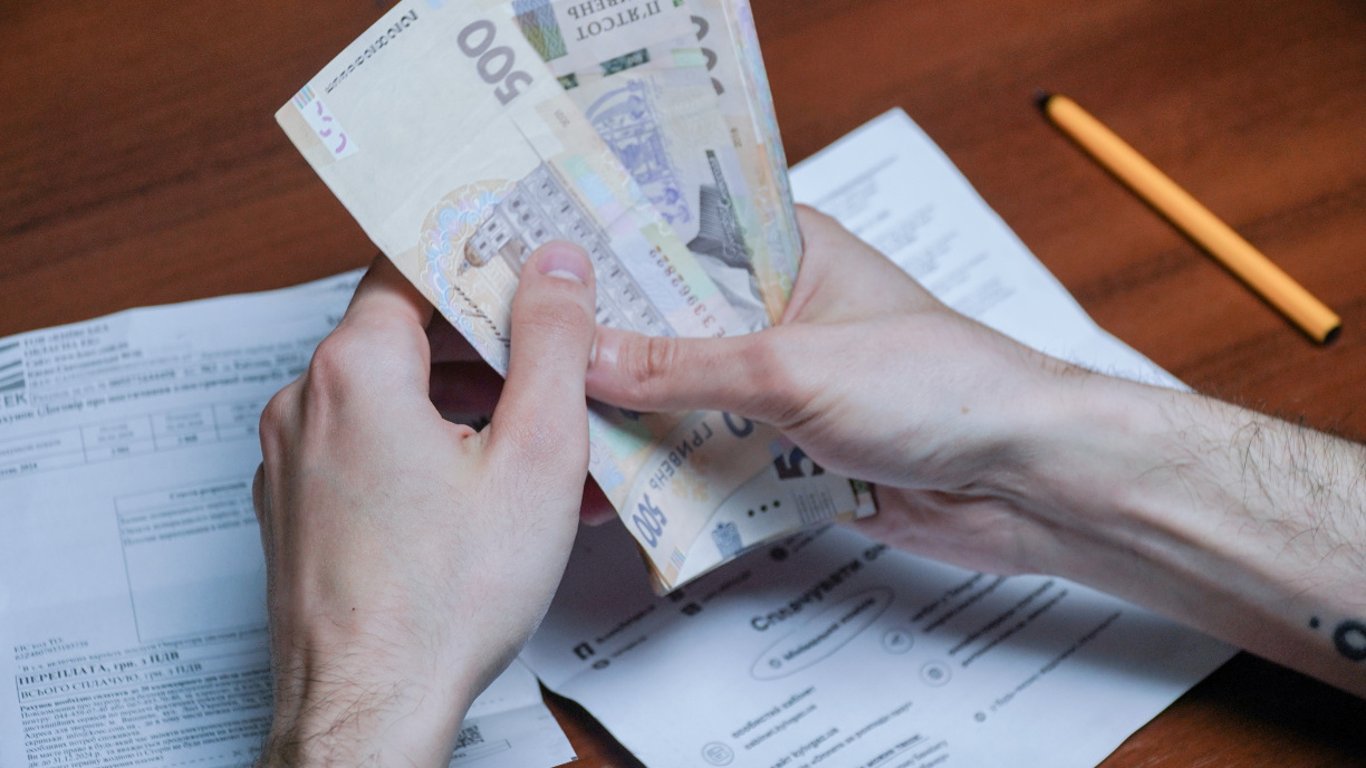
Changes in Ukrainian Electricity Bills
According to Novyny.live: Electricity bills in Ukraine are increasing despite stable tariffs. YASNO's General Director, Serhii Kovalenko, has explained that these higher charges are primarily due to changes in how and when people use power. The current electricity tariff remains fixed at UAH 4.32 per kilowatt-hour. This situation highlights how household energy habits, rather than price changes, are currently driving up costs.
Key Factors Influencing Utility Bills
How is the final amount on an electricity bill calculated? One major reason for fluctuating bills is "consumption shifting." Even during widespread power outages, households continue with energy-intensive tasks like laundry when electricity is available.
"There are two reasons why a bill might differ from expectations. A lack of power doesn't mean a person won't wash their clothes or do other routine chores. This is called consumption shifting," stated Serhii Kovalenko.
Furthermore, a government moratorium currently prevents any increase in utility tariffs. However, authorities plan to develop a roadmap for the gradual liberalization of the gas and electricity markets by the end of June 2026. This policy shift is expected to lead to incremental price rises for electricity, gas, heating, and hot water, which officials argue will generate funds for reconstruction and investment.
"A gradual increase in tariffs for electricity, gas, heating, and hot water should begin as soon as possible to attract resources for reconstruction and investment," notes a government memorandum.
What else should consumers know? The scale of Ukraine's energy challenges was starkly illustrated in January 2026, when the country experienced massive blackouts lasting up to 18-20 hours daily. These supply issues directly influence consumption patterns and future tariff discussions. Consumers must be aware of how their adapted usage impacts their household expenses.
The rise in electricity bills under a fixed tariff clearly points to significant changes in consumption behavior, largely driven by public adaptation to an unreliable power supply. As the government considers future market liberalization, it must account for this shifted consumption to avoid overburdening households financially. With the tariff freeze still in effect, monitoring upcoming government decisions is crucial, as they will significantly impact the energy sector and the broader national economy.
Read also
- New U.S. Tariffs Hit 60 Nations: Here Are the Rates for the EU and Russia
- Russia’s Oil and Gas Revenue Set to Surge by 60%—Here’s What’s Driving the Jump
- IMF Disburses $690 Million Second Tranche to Ukraine: Where the Funds Are Going
- Russia’s Budget Deficit Could Hit 7 Trillion Rubles—What Are the Default Risks?
- Expert Sets Critical Threshold: 60% of Russia's Oil Refining Capacity Must Be Destroyed
- Russia Faces Imminent Fuel Crisis: Why Refinery Recovery Is Nearly Impossible, Expert Warns