An Expert's Analysis: The Objective and Subjective Forces Driving Russia's War in Ukraine.

Why Russia Lacks the Prerequisites to End the War in Ukraine
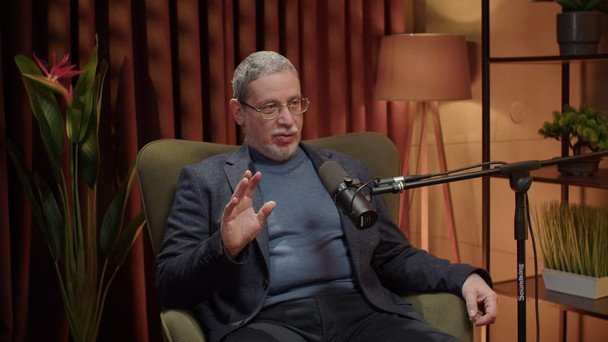
According to TSN.ua: In an interview with Yulia Borysko, Valeriy Pekar, a lecturer at the Kyiv-Mohyla Business School and the Ukrainian Catholic University Business School, explains the absence of conditions that would lead Russia to stop its war against Ukraine. Pekar focuses on the interplay of subjective and objective factors compelling Russia to continue the conflict. This analysis comes at a time when international observers are seeking to understand the war's potential trajectory.
The Factors Perpetuating the Conflict
Among the subjective reasons, the expert cites Russian President Vladimir Putin's belief in his own capabilities. Pekar stresses that for Putin, stopping the war would necessitate a return to a civilian economy, but Russia no longer possesses the resources for such a transition. The Russian economy has already been mobilized for war, creating significant obstacles to a potential shift back to peacetime. Pekar also notes that all of Russia's top elites are direct beneficiaries of the war, which adds a powerful motivation for continuing the conflict.
According to Pekar, the objective reasons include:
- the military situation,
- the political climate,
- and a perceived social necessity.
Russia has lost access to foreign investment, complicating any financing for peaceful reconstruction. Furthermore, over 700,000 troops are currently deployed on the front lines, underscoring that this is a wartime army with no clear path for demobilization. Pekar emphasizes that Putin needs to present some outcome as a victory, a requirement that further complicates any possibility of stopping the war.
Consequently, both subjective and objective factors contribute to a situation where Russia will be unable to halt the war in the near future.
This assessment highlights the conflict's complexity and likely duration, as the combination of economic and military challenges, alongside internal political motives, makes a peaceful settlement extremely difficult. Given these factors, the international community may need to focus on sustained support for Ukraine and developing strategies to hasten the war's end.
Read also
- New €70 Billion NATO Aid Package on the Table: Rutte Outlines Key Agenda Points
- NATO Urged to Keep Arming Ukraine: Key Decisions from Brussels Meeting
- Zelenskyy Heads to NATO Summit in Ankara Amid Concerns Over Ukraine’s Exclusion from Key Decisions
- Unexpected Ceasefire Between the U.S. and Iran: What’s Behind the Deal
- Crimea Is Ukraine's Most Critical Territory in the War, Says General Hodges
- G7 Leaders Approve Defense and Economic Measures for Ukraine: Key Takeaways