Russia’s Budget Deficit Hits 6 Trillion Rubles as the Economy Slides into Crisis.

The State of Russia’s Economy
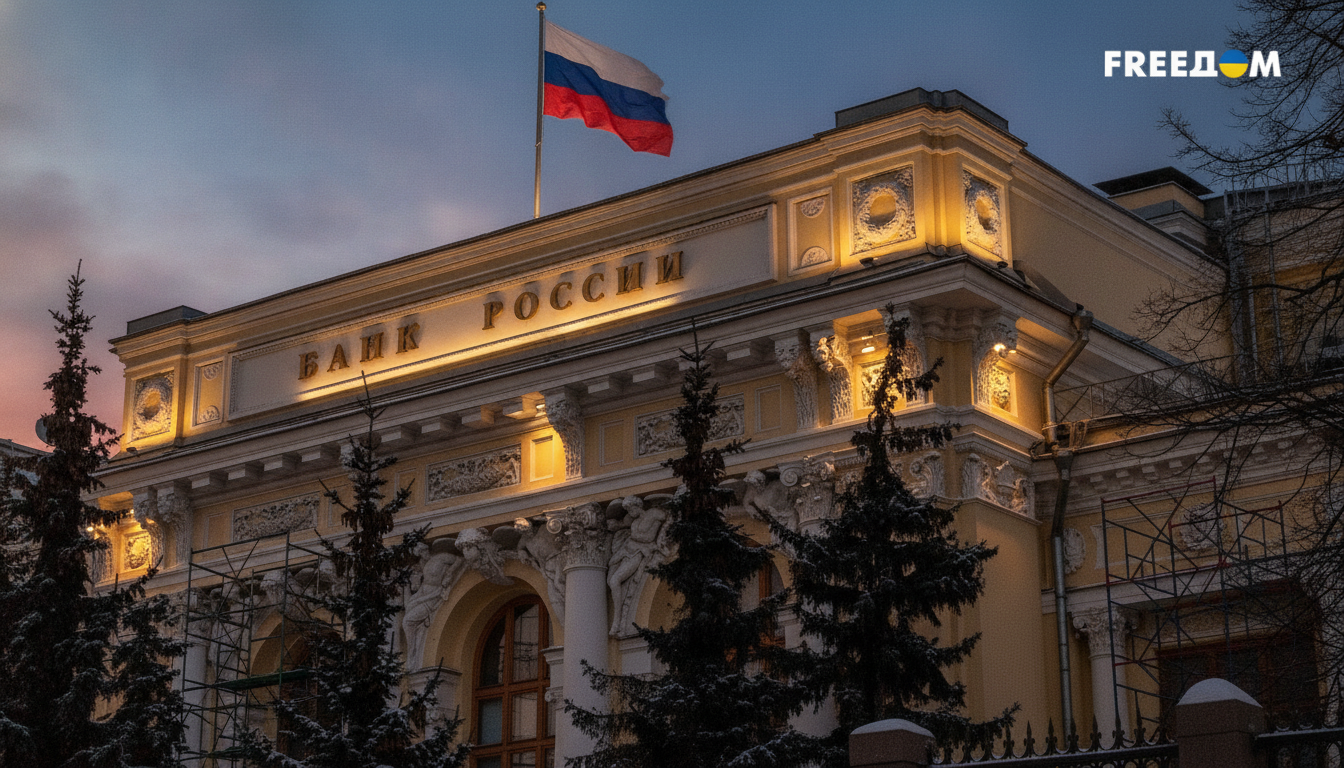
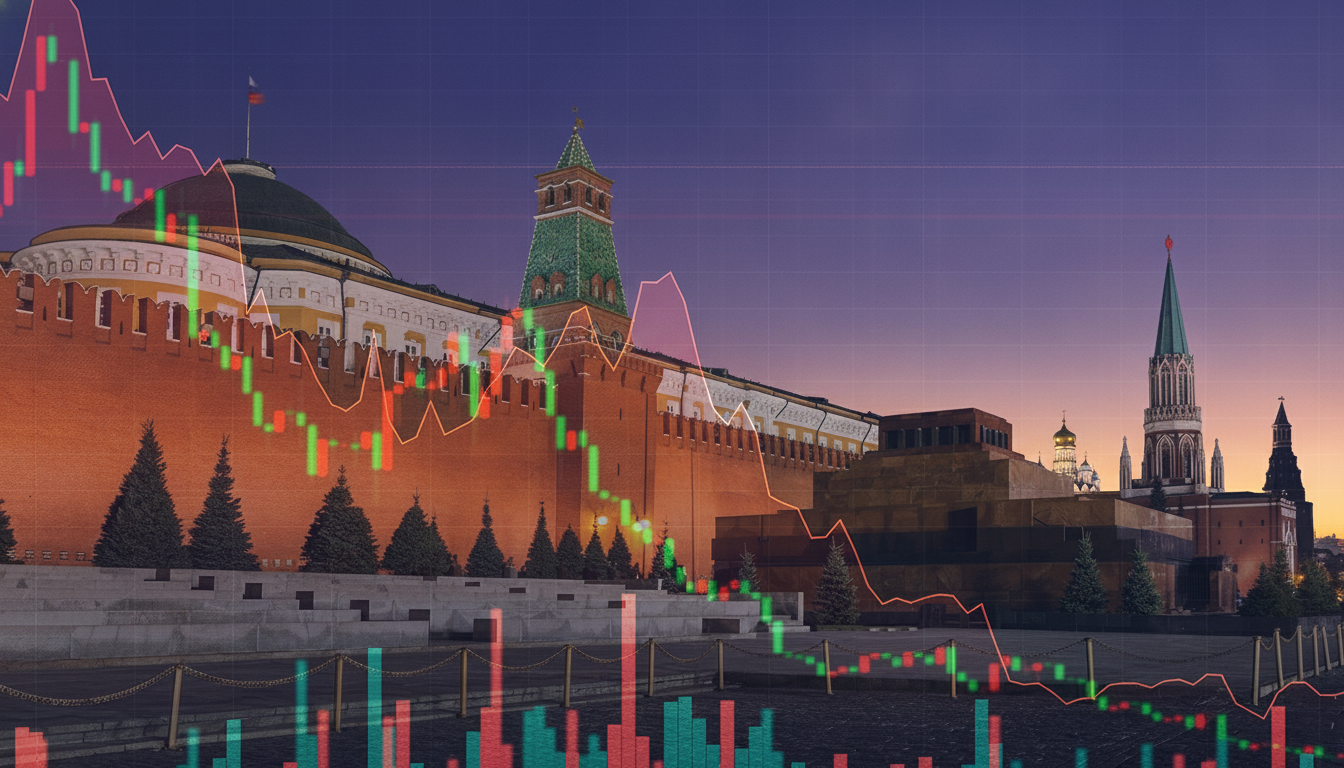
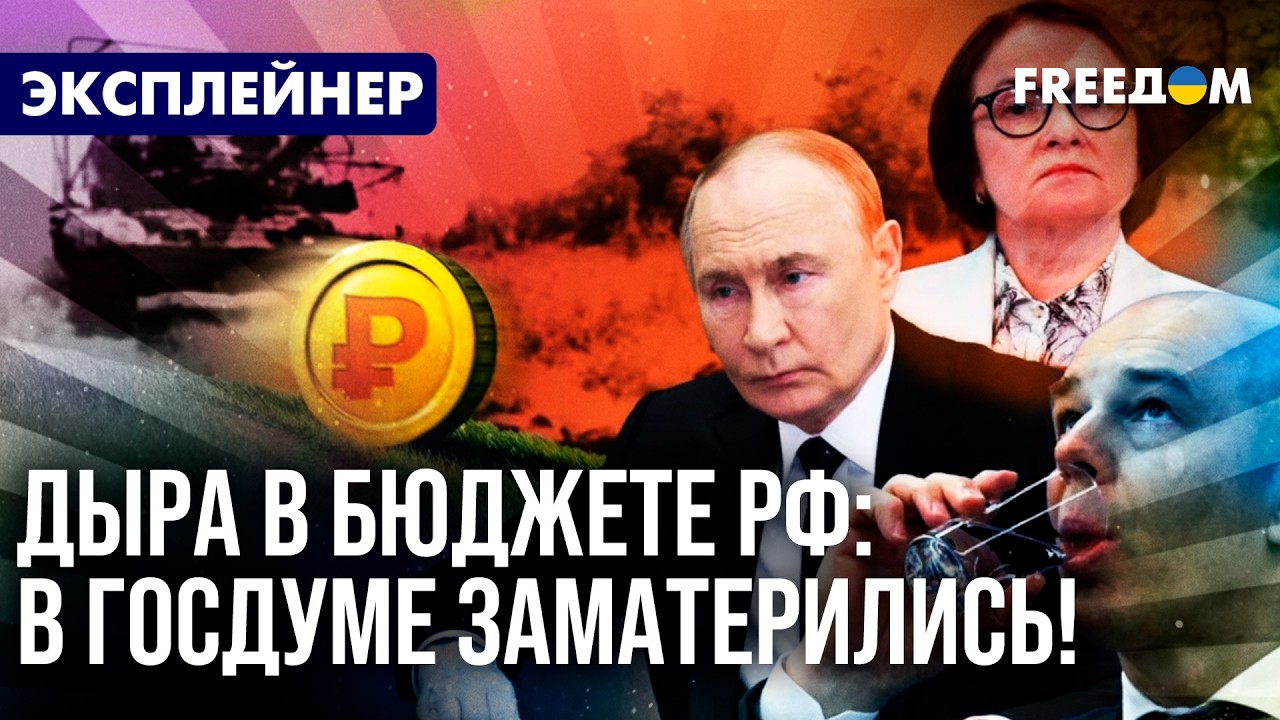
According to UATV: Russia’s economy is facing a severe crisis, driven by soaring military spending and shrinking revenues. In the first four months of 2026, the federal budget deficit reached nearly 6 trillion rubles, with expenditures totaling 17.5 trillion rubles and revenues falling short at just over 12 trillion rubles. Analysts predict that by year-end, the deficit could double the originally planned level.
Measures to Cover the Deficit
To address these financial pressures, the Russian Federal Property Management Agency (Rosimushchestvo) plans to sell a 24% stake in Aeroflot for roughly 45 billion rubles, along with a 20% stake in the Novorossiysk Commercial Sea Port. While these asset sales are intended to help bridge the budget gap, experts question whether they will be sufficient.
Labor market trends are also raising alarms. Hidden unemployment in Russia has climbed to its highest point in a decade, while total corporate profits plunged by one-third during the first four months of 2026. In the first quarter alone, 65% of businesses reported zero income, and 209,000 companies are now preparing for bankruptcy. At the same time, defense industries face a critical shortage of engineers and skilled workers.
“What are we going to do about the federal budget deficit? Last year it was over 5 trillion, and now it’s approaching another 5 trillion. That’s around 11 trillion total. What’s the plan? Print money like in 1992, when prices jumped 30% every week?”
— Valery Gartung
Economists are skeptical about any prospects for growth under these conditions. Vladimir Milov notes:
“Why would production suddenly increase? We have no access to global markets. We’re cut off from investment and technology, and the population is impoverished.”
— Vladimir Milov
Russia’s economic troubles stem from a combination of heavy military expenditures and declining revenue, creating a deep financial crisis. Planned sales of stakes in strategic state-owned companies may only partially offset the budget shortfall, while worsening labor conditions and rising unemployment underscore the severity of the downturn. With the country isolated from global markets and starved of investment, the outlook for economic recovery remains highly uncertain.
Read also
- Russian Billionaires Accelerate Capital Flight Abroad Amid Growing Economic Fears
- Fuel Shortages and Rising Prices Drive Russians to Buy Foreign Currency in Droves
- Capital Flight from Russia: Why Billionaires Are Moving Assets Abroad
- New Government Center to Manage Employee Reservations: Salary Thresholds Set at Critical Levels
- Russia’s 2026 Budget Deficit Could Hit a Record 4.83 Trillion Rubles
- Nearly 50 Million UAH Allocated for a New Kyiv Heating Plan: What’s Changing