Fuel Shortage Not Expected in Ukraine, But Price Surge Remains Key Concern.

The State of Ukraine's Fuel Market
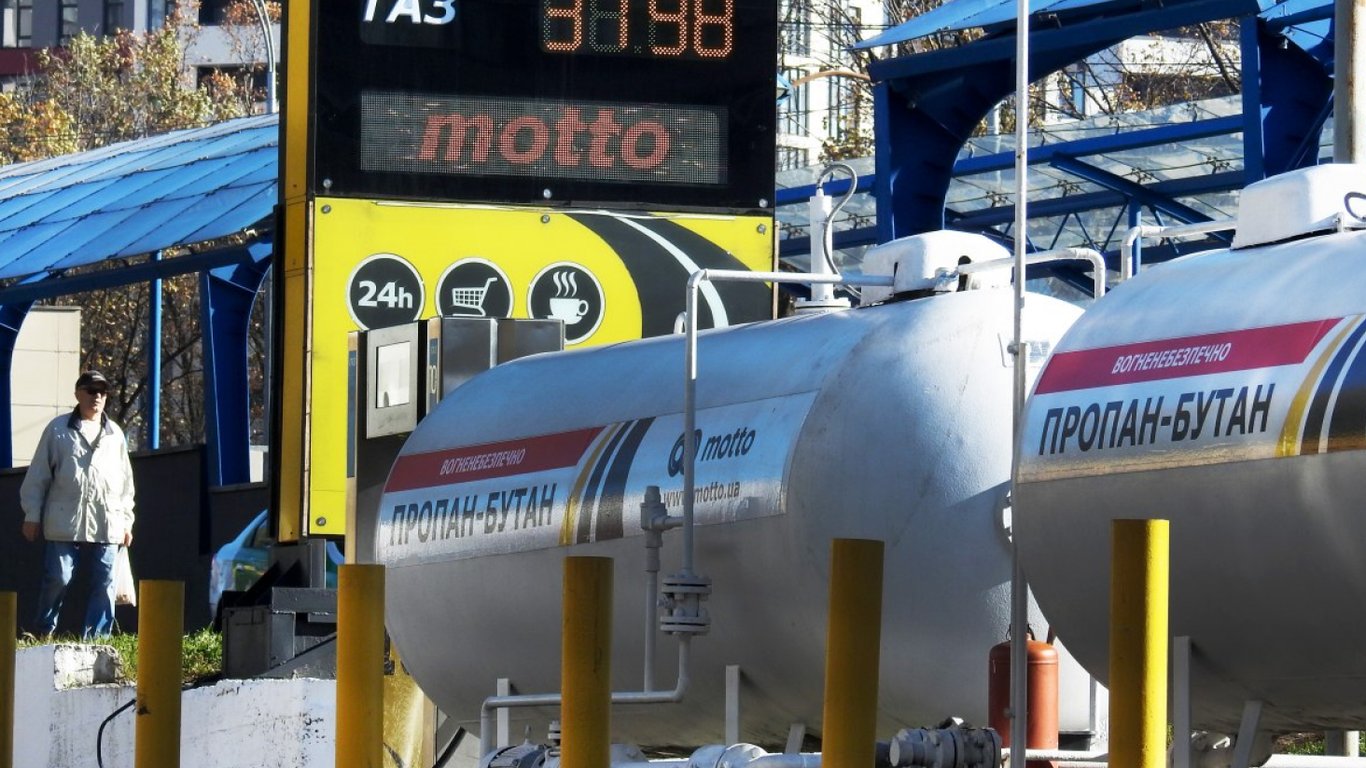
According to Novyny.live: Fuel market expert Serhiy Kuyun asserts that Ukraine will not face a fuel shortage, even if the Strait of Hormuz is blocked. The primary issue, he emphasizes, will be the cost of fuel. Kuyun's statement highlights the current dynamics of the global energy market, particularly in light of recent events in the Middle East. The situation underscores how regional conflicts can have direct economic consequences far beyond their immediate borders.
China currently holds a six-month fuel reserve, indicating a degree of regional supply stability. In Europe, the situation is somewhat different: the continent has a three-month stockpile of crude oil and petroleum products. Therefore, even if supply disruptions occur, existing reserves are sufficient to cover basic needs for a period.
However, the price of oil is a cause for concern. The cost of crude has risen to $82 per barrel, which is likely to impact fuel prices within Ukraine. Furthermore, two EU nations have halted their exports of diesel fuel to Ukraine, adding further strain to the market.
'A shortage is definitely not going to happen' - Serhiy Kuyun
Kuyun warns that rising fuel prices could become a serious problem for consumers. This concern is echoed in a comment from U.S. Senator Marco Rubio, who noted that 'this terrorist regime led by radical spiritual leaders could cut off 20% of the world's energy carriers.'
Ongoing Challenges for the Fuel Market
Thus, despite adequate fuel reserves, the market remains tense due to price volatility and export restrictions. The question of future fuel prices in Ukraine stays pertinent, especially within the context of Middle Eastern conflicts and their influence on the global energy market.
The expert's statements indicate that while a fuel shortage is not currently anticipated in Ukraine, the pricing situation may significantly burden consumers. Amid global instability and potential energy supply disruptions, monitoring international market developments is crucial, as they directly affect domestic fuel costs. Additionally, the halt in diesel exports from several EU countries highlights the importance of diversifying supply sources to ensure the nation's energy security.
Read also
- Brent Crude Surpasses $110 a Barrel: Could Iran Tensions Trigger a Global Energy Crisis?
- Ukraine Strikes Russian Ports: The Cost of a Month-Long Shutdown at Tuapse
- Fuel Shortage in Crimea: Russian Logistics Crippled by Ukrainian Strikes, Says Feigin
- Ukraine’s Strikes Trigger Fuel Crisis as Russia Loses 40% of Oil Refining Capacity
- Ukraine Strikes 42 Russian Vessels in 11 Days as Drone Campaign Intensifies
- Russian Stock Market Crashes Nearly 9% — What This Means for the Economy