Russia's War Economy: Stagnant Growth, Soaring Inflation, and a Deep Budget Deficit.

The State of Russia's Economy
According to UATV: Russia's economy, strained by its ongoing war against Ukraine, is exhibiting severe stress signals. These include stagnant Gross Domestic Product (GDP), high inflation, and a significant budget shortfall. Real wage growth in the country is projected to be a mere 1% over the next three years. Russia's GDP is forecast to increase by only 1% in 2025 and by 0.8% in 2026. This performance lags far behind the global average GDP growth trend of 3.3%, highlighting the nation's economic isolation and decline.
Inflation in Russia is expected to hit 30% in 2023, severely eroding the population's purchasing power. Concurrently, loan interest rates are set to reach 16%, further tightening the financial squeeze on citizens. Adding to the instability, a capital flight of $13 billion from Russian banks occurred in 2025, underscoring deep-seated concerns about the financial system's health.
Budget Shortfalls and Tax Hikes
Russia's budget deficit for 2024 is projected to reach 5.5 trillion rubles, raising serious questions about the country's fiscal policy. To help cover this gap, the government plans to raise the Value Added Tax (VAT) to 22%, effective January 1, 2026. The number of bankrupt enterprises is also rising, pointing to a deteriorating business climate. These economic pressures are compounded by the long-term impact of international sanctions and the immense cost of the war.
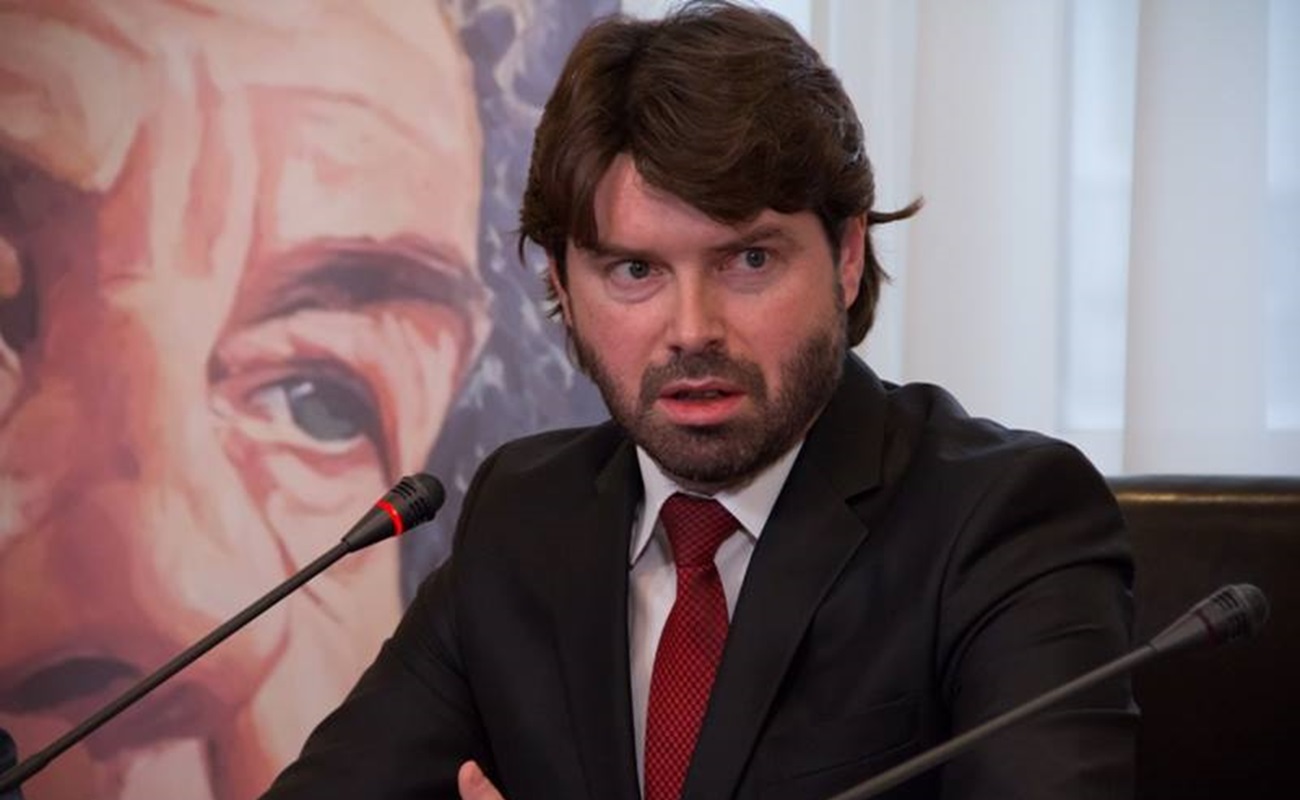
Experts note that Russia began selling energy resources at dumping prices as far back as 2014, a strategy that has further undermined its financial metrics. Oleg Sarkits observes:
“The decisions to cover the budget deficit do not address the underlying problems, which, depending on the exchange rate, amount to $70–75 billion.”
Consequently, Russia's war economy faces profound challenges that are likely to have long-term consequences for its development and stability. The growing budget deficit and the population's shrinking purchasing power indicate that Russian authorities may be forced to implement increasingly harsh measures to stabilize the economy amid sustained international pressure and internal strife.
Read also
- Russia’s Oil and Gas Revenue Set to Surge by 60%—Here’s What’s Driving the Jump
- IMF Disburses $690 Million Second Tranche to Ukraine: Where the Funds Are Going
- Russia’s Budget Deficit Could Hit 7 Trillion Rubles—What Are the Default Risks?
- Expert Sets Critical Threshold: 60% of Russia's Oil Refining Capacity Must Be Destroyed
- Russia Faces Imminent Fuel Crisis: Why Refinery Recovery Is Nearly Impossible, Expert Warns
- Economist identifies Russia's point of no return: why it can never reclaim its place among global economic leaders