Hotspot Sensor Unlocked on RTX 50 GPUs: What’s Really Causing Overheating Issues.

Unlocking Temperature Monitoring on NVIDIA RTX 50 Graphics Cards
According to ITC.ua — Техно: After users reported performance drops linked to overheating, tech enthusiasts have managed to unlock a hidden 'hotspot' temperature monitoring feature on NVIDIA’s RTX 50 series GPUs. This move came as a direct response to growing concerns among owners who were experiencing excessive heat buildup in their graphics processors.
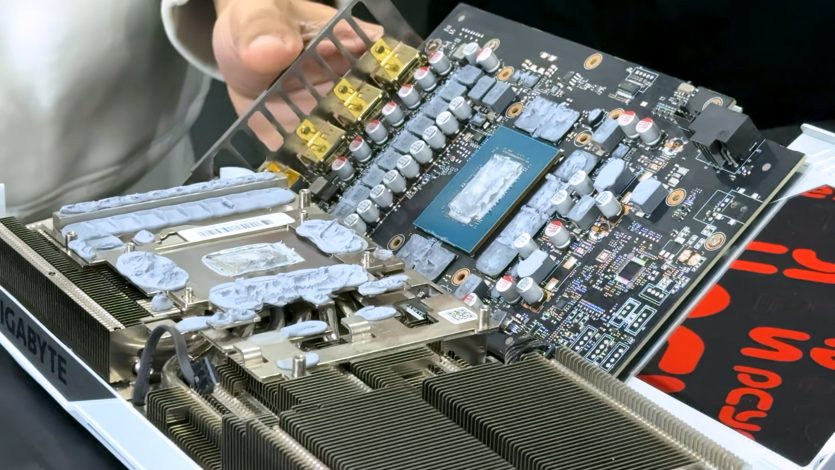
By default, the RTX 50 cards lack a dedicated hotspot sensor, making it difficult to track temperatures in the most critical areas. While the average GPU temperature on these cards typically ranges between 70°C and 80°C, the hottest point can soar to around 107°C. The overheating issues were traced back to poor thermal contact, which ultimately hurt overall card performance.
Steps Toward a Solution
To address the problem, some users opted to replace the thermal paste on their units, successfully lowering hotspot temperatures to 100°C. This was a meaningful step in reducing the risk of performance throttling. However, a major breakthrough came from Paulo Gomes, who managed to unlock NVIDIA’s Hotspot monitoring parameters on the RTX 50 through custom modifications.
This situation highlights how critical GPU temperature monitoring is—especially under heavy workloads. The absence of a built-in hotspot sensor can become a serious issue for users aiming to get the most out of their graphics cards. Unlocking this feature opens up new ways to optimize RTX 50 performance and improve the overall user experience.
Given that overheating can significantly impact GPU performance, enabling hotspot temperature measurement is a major win for the RTX 50 community. It allows for more precise temperature tracking and timely cooling adjustments, which can positively affect card stability and longevity. This initiative also underscores the value of active user involvement in hardware improvement, potentially encouraging manufacturers to include similar features in future models.
Read also
- Germany Launches Mass Production of Gereon Ground Drones for Ukraine
- LG Display Experiment Shows 480Hz Monitor Boosts Gamer Accuracy by 38%
- Russia Set for Rocket Launches from Plesetsk: Key Details on the 'Rassvet' Mission
- U.S. Regulators Approve Night-Illuminating Satellite: Key Details on the Eärendil-1 Project
- Neo Robot Gets Upgraded Hands with 25 Degrees of Freedom – Here’s What’s New
- Serbian Gamer Fixes RTX 3070 Using a Part Salvaged from an Old Radio