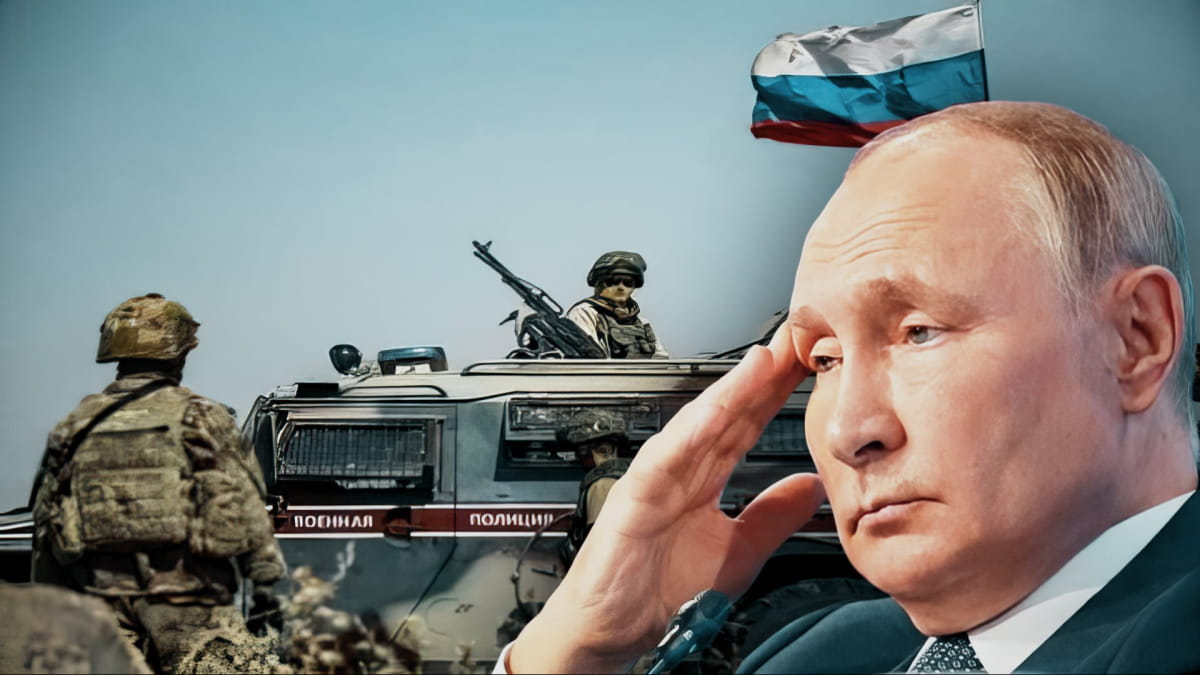
EU Issues Stark Ultimatum to Moscow: Withdraw Troops from Georgia and Moldova.

EU Adopts Hardline Stance Against Russia
According to UATV: The European Union has shifted to a strategy of issuing firm ultimatums to Russia, demanding the withdrawal of its military forces from occupied territories in Georgia, Moldova, and Armenia. This move is a direct response to Moscow's prolonged campaign of coercion. Despite Brussels's efforts, these stringent conditions have so far failed to produce successful negotiations with Russia. This escalation reflects the EU's growing frustration with Russia's destabilizing actions in its shared neighborhood.
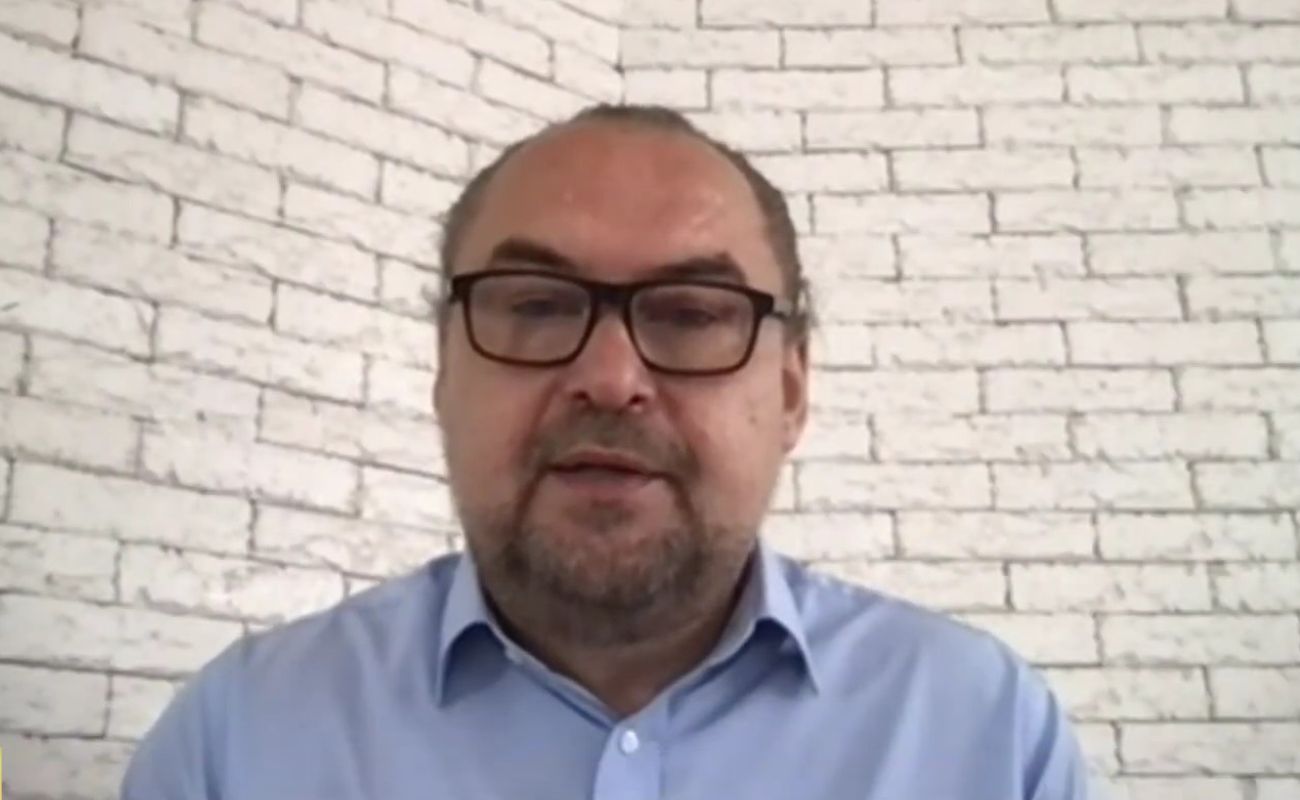
The EU's tough position has sparked debate among analysts. Viacheslav Potapenko, Deputy Director of the National Institute for Strategic Studies, noted:
“Russia has recalled its demands from 2021, and Brussels has put forward its own.” - Viacheslav Potapenko
This indicates that Russia is not abandoning its previous demands, while Europe is attempting to establish a new framework for talks.
Persistent Obstacles in Negotiations
Difficulties in the dialogue between the European Union and Russia remain a pressing issue. Potapenko emphasized that:
“Ukraine is working to ensure Europe is at the negotiating table.” - Viacheslav Potapenko
This highlights the critical importance of European nations' participation in the process, which could be a decisive factor for achieving peace in the region.
Furthermore, the United States has stressed that “Europe must answer for its own security.” This signals that Western allies expect Europe to play a more active role in ensuring stability and security in a region facing challenges from Russia.
Consequently, the EU's hardline stance and new demands on Russia underscore the complexity of the current geopolitical landscape. Despite efforts to stabilize the region, the outcome of negotiations remains uncertain.
This situation highlights the escalating tension between Russia and the West, as well as the necessity of constructive dialogue to achieve regional stability. With the security of European nations under threat, the EU's proactive actions and positioning could significantly influence future events and peace processes in Eastern Europe.
Read also
- Zelensky Calls Protests Orchestrated: What This Means for Society
- Andy Burnham Takes Office as UK Prime Minister: What Weapons Will Ukraine Receive?
- Zelensky Seeks Syrskyi’s Replacement Amid Protests and Candidate Meetings
- Zelensky Weighs Firing of Military Chief Syrskyi as Protests Erupt Across Ukraine and Warsaw
- New U.S. Chargé d’Affaires Appointed in Ukraine: Who Is Sandra Audirkirk?
- Russia Plans Autumn Call-Up of 500,000 Troops: Who Would Be Sent Into Battle First