Europe Urges Pressure on Russia as U.S. Strategy on Ukraine Fails.

U.S. Strategy on Ukraine
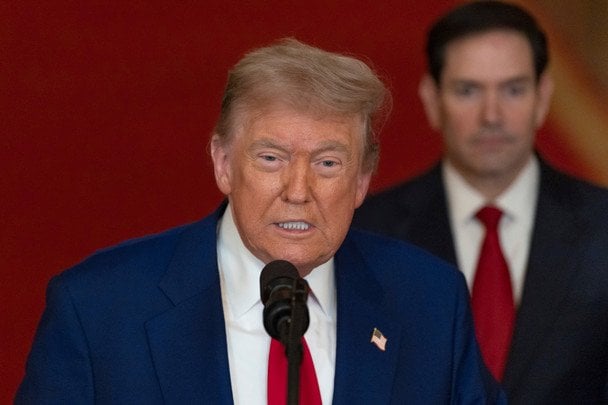
According to TSN.ua: The United States' strategy of pressuring Ukraine during peace negotiations has not yielded the expected results. This failure has prompted calls from European diplomats for a shift in focus toward applying pressure on Russia instead. Former U.S. President Donald Trump repeatedly urged Kyiv to make concessions to Moscow, a stance that met with mixed reactions from Ukrainian officials.
Kaja Kallas, head of European diplomacy, highlighted this flawed approach, stating:
“Their approach was to put pressure on the victim, on Ukraine.”This indicates that European partners view such a policy as misguided and are demanding more decisive action against Russia. In response, Ukrainian President Volodymyr Zelenskyy appealed directly to Trump for support, expressing the hope:
“I want the U.S. President to remain on Kyiv's side.”
Uncertainty in American Policy
Despite Trump's promises to impose sanctions on Russia, the majority of these measures were never implemented. This underscores a persistent ambiguity in American policy regarding the conflict in Ukraine. Kurt Volker, a special envoy for Donald Trump, was also involved in negotiations, yet the outcomes remain unsatisfactory.
Overall, the situation demands a re-evaluation of approaches to peace talks and the establishment of a clearer stance toward Russia to ensure stability and security in the region. The ongoing war in Eastern Ukraine, which began with Russia's annexation of Crimea in 2014, continues to be a major point of tension between Moscow and the West.
These developments highlight the critical importance of international support for Ukraine, as pressure on Russia could become a key factor in achieving peace. Amid the uncertainty in American foreign policy, European nations appear poised to assume a more active role in resolving the conflict. This shift could alter the dynamics of peace negotiations and impact future relations between the involved states.
Read also
- Ukraine Honors 705 Children Killed in War While Fighting to Bring Back Those Abducted
- Trump Backs Direct Talks Between Zelensky and Putin: Key Details
- An Open Letter from Zelensky to Putin: A Proposal for a Meeting to End the War
- Tusk Blames Ukraine for UPA Dispute: What Decision Will Zelensky Make?
- Top Leaders from France, Britain, and Germany Plan Talks with Zelensky: Is a Peace Deal with Putin on the Horizon?
- Ongoing Russia-Ukraine War: Expert Identifies the Core Hurdle in Peace Talks