EU Proposes 20th Round of Sanctions Targeting Russian Energy, Finance, and Trade.

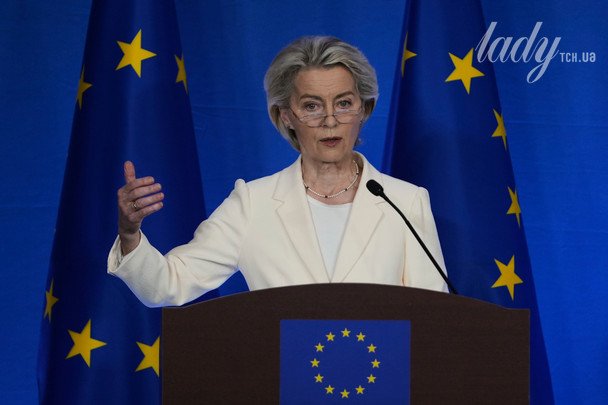
European Commission Unveils New Sanctions Package
According to TSN.ua: The European Commission presented its 20th package of sanctions against Russia on February 6, focusing on energy, financial services, and trade restrictions. This latest move aims to intensify pressure on Moscow in response to its ongoing military aggression. For the new measures to take effect, they require unanimous approval from all 27 EU member states, a process that can sometimes delay implementation.
Key Measures in the Proposed Package
The proposed sanctions package includes several major provisions:
- A complete ban on providing maritime services for transporting Russian crude oil. This measure will expand the blacklist by adding 43 tankers, bringing the total number of sanctioned vessels to 640.
- Restrictions targeting 20 regional Russian banks and cryptocurrency platforms, designed to complicate Moscow's financial operations and its ability to circumvent existing sanctions.
- A prohibition on importing metals, chemicals, and critical minerals from Russia, valued at over 570 million euros annually.
These sanctions are projected to cause significant losses for Russia, cutting off access to European goods and services worth 360 million euros. As European Commission President Ursula von der Leyen stated:
“The EU will also penalize financial institutions in third countries that assist Moscow in conducting illicit payments.” - Ursula von der Leyen
This package represents the EU's continued effort to strengthen Russia's financial isolation by creating new trade barriers and hindering Moscow's aggressive actions on the international stage. These sanctions are part of a broader Western strategy to degrade Russia's capacity to fund its war effort. If unanimously approved, the new restrictions could significantly impact the Russian economy, particularly in the energy and finance sectors, serving as a critical tool for containing aggression in the ongoing conflict.
Read also
- Could a New US Military Base in Poland Strengthen NATO’s Eastern Flank?
- June 15 Set for EU Accession Talks: Ukraine and Moldova to Launch First Negotiation Cluster
- Zelenskyy Signals Readiness as Germany, France, and the UK Prepare for Talks with Russia
- EU Accession Talks for Ukraine to Begin June 16 After Hungary Lifts Its Veto
- Kim Jong Un Announces Major Escalation of North Korea's Nuclear Capabilities
- Israel and Lebanon Reach Ceasefire Deal: Key Terms and Dates for Upcoming Talks