Middle East Tensions Surge as U.S. and Israeli Forces Strike Iranian Targets.

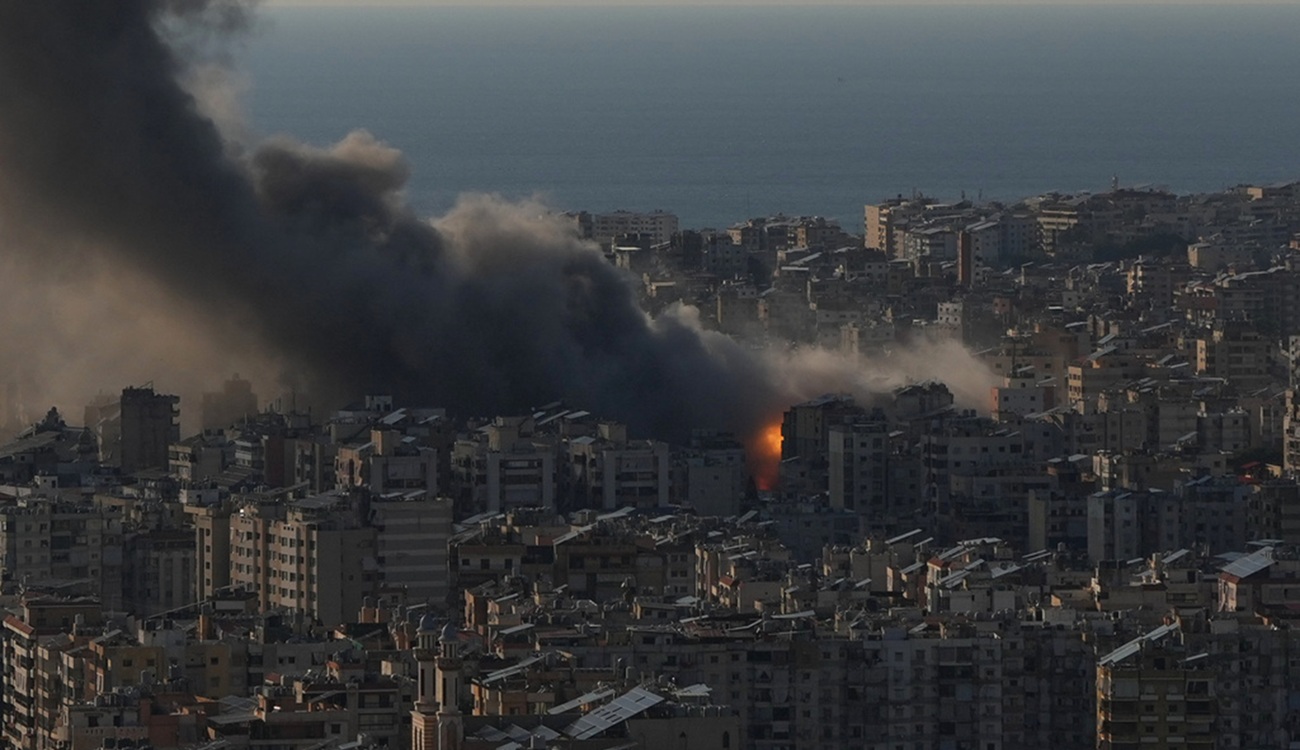
Military Escalation Intensifies
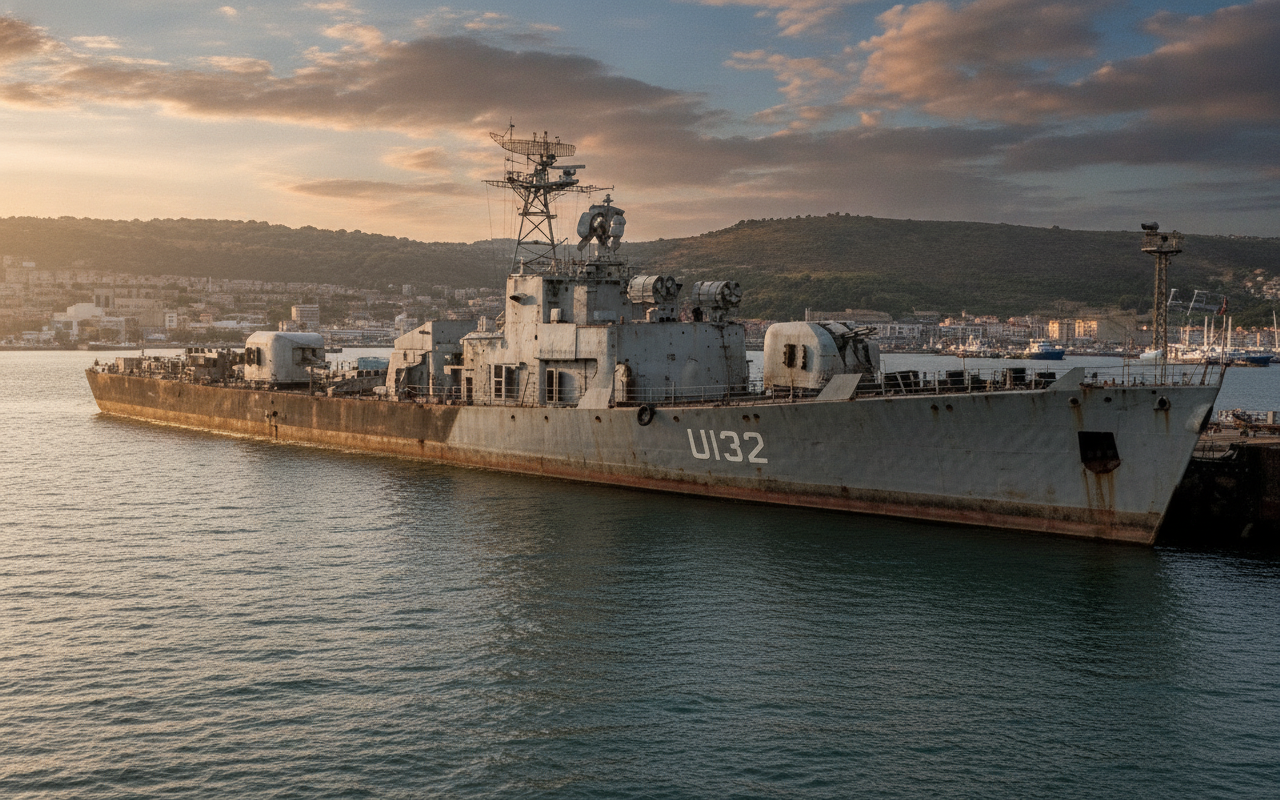
According to UATV: Regional and international alarm is growing over a significant military escalation involving the United States, Israel, and Iran. On March 6, 2023, the Israeli Defense Forces (IDF) launched a major aerial operation, deploying 50 aircraft to drop 100 bombs on a bunker in Tehran. This strike is part of a broader conflict in which U.S. forces have destroyed over 30 Iranian vessels. Additionally, hundreds of Iranian ballistic missiles, launchers, and unmanned aerial vehicles have been eliminated. The Strait of Hormuz, a vital global oil transit route, is a central flashpoint in these hostilities.
Amid these events, Iran fired a ballistic missile toward Turkey on March 4, 2023, further heightening regional tensions. Iran has also blocked shipping traffic through the Strait of Hormuz, leaving approximately one thousand vessels stranded in this strategic waterway. These actions demonstrate a marked increase in Iran's military activities and its willingness to use force to pursue its objectives.
Reactions and Consequences
“Iran is no longer the 'bully of the Middle East.' Instead, it has become the 'loser of the Middle East.'” - Donald Trump
In the context of this conflict, U.S. military commander Brad Cooper stated that “we have already struck nearly 2,000 targets with more than two thousand munitions,” underscoring the scale of the operations. Meanwhile, Iranian parliamentarian Masoud Pezeshkian has urged the armed forces to refrain from attacking neighboring countries unless they are attacked first.
This military escalation has serious implications for regional stability and the security of international trade routes. A statement from Azerbaijani President Ilham Aliyev, that “this stain will never be erased from their ugly and disgusting faces,” reflects the deepening conflict and rising animosity between nations in the region. All these facts indicate that the situation remains volatile and the future of the conflict is difficult to predict.
The escalation between the U.S., Israel, and Iran could lead to new geopolitical shifts, as all parties actively demonstrate their military capabilities. With the blockade of the Strait of Hormuz and the threat to international shipping, the economic repercussions could be severe. The subsequent actions of the involved parties will likely determine the conflict's trajectory and its impact on global security.
Read also
- Iran Faces US-Israel Ultimatum: Accept a Ceasefire or Prepare for Joint Military Action
- Iran Crisis Deepens: Why a Military Solution Is Inevitable, According to an Expert
- Why Rubio’s Call to Protect Shipping in the Strait of Hormuz Matters for Global Security
- Economics and Security Top the Agenda in Burnham-Trump Call
- Trump Endorses Sanctions and PAC-3 Licenses, Signaling a US Policy Shift on Ukraine
- Ukraine Secures Patriot License as Lockheed Martin Unveils $2 Million Missile