The European Commission allocates 90 billion euros to Ukraine: two-thirds of the funds will go to the army.

Financial Support Plan for Ukraine
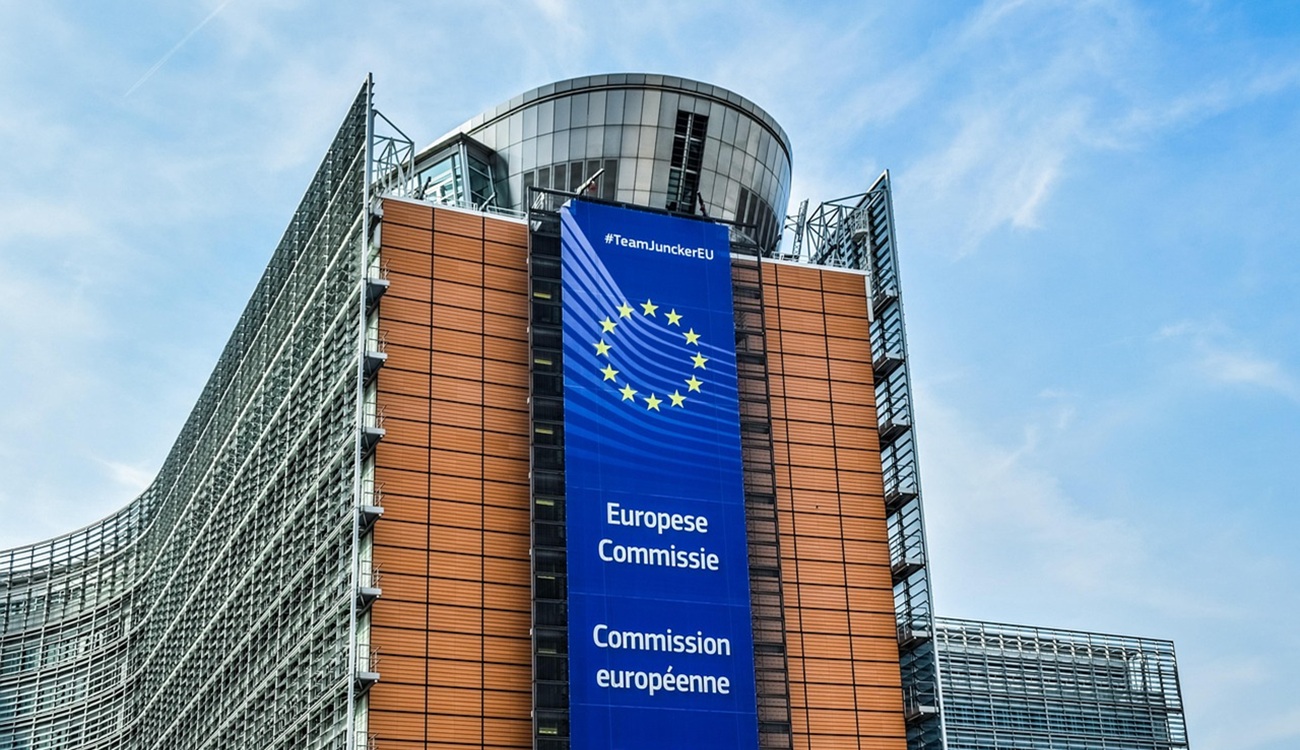
According to UATV: The European Commission has approved a plan to allocate 90 billion euros to Ukraine over the next two years, most of which will go towards military expenses. This plan was presented on January 14, 2023, in Brussels. It is expected that the repayment of these funds will occur only after Russia pays reparations. Currently, the European Union has frozen Russian assets amounting to over 200 billion euros, which could serve as a source for reimbursing expenses.
Main Areas of Fund Utilization
According to the plan, two-thirds of the allocated funds will go towards military support for Ukraine, while the rest will be used for the country's budgetary needs. The leaders of European countries made a political decision on the loan back on December 18, 2022, which underscores their support and commitment to assist Ukraine during this difficult period. The first tranche of the loan is expected in Ukraine by April 2023, allowing for the implementation of the plan to begin.
In response to this decision, the President of the European Commission, Ursula von der Leyen, noted:
This decision was made within the framework of enhanced cooperation. — Ursula von der Leyen
At the same time, the Vice-President of the European Commission, Valdis Dombrovskis, emphasized that 'successful negotiations are currently underway with international partners to cover the remaining financing deficit'. This indicates the active efforts of the European Union to provide financial support to Ukraine amid military and economic challenges.
This plan reflects significant support from the European Union, highlighting the importance of international solidarity with Ukraine in the face of aggression from Russia. The allocated funds could significantly impact Ukraine's military potential and its ability to counter external threats. Meanwhile, the issues of reparations and the use of frozen Russian assets remain key aspects for achieving financial stability in the region.
Read also
- Zelenskyy Holds Over 20 Talks in Ankara, Secures €70 Billion NATO Commitment
- Over 80 Iranian Targets Hit in Fresh US Strikes; EU Calls Emergency Meeting
- China Extends Invitation to Ukraine: Foreign Minister Sybiha Set for Talks in Beijing
- Trump Declares Ceasefire Over as US Launches Fresh Strikes on Iran
- Experts demand a transparent competition for the director as part of DBR reform
- NATO Declares Russia the Primary Adversary as Ukraine's Military Gains Drive Peace Talks Forward