Why Europe, Despite Greater Involvement in the War Than the US, Fails to Deter Russia.

Europe's Role in the Russia-Ukraine War
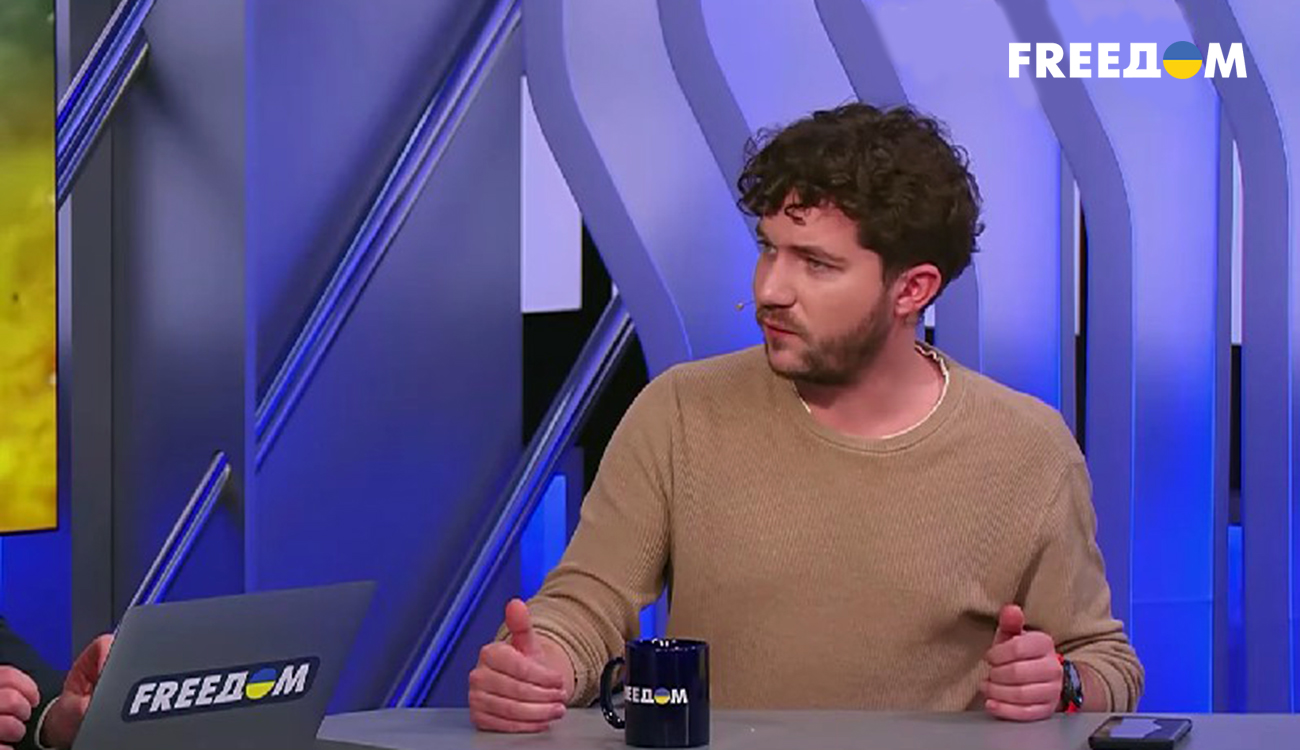
According to UATV: Political analyst Oleg Saakyan argues that Europe is more deeply engaged in Russia’s war against Ukraine than the United States, yet it cannot translate this engagement into geopolitical leverage due to internal obstacles. According to him, the European Union faces challenges that hinder its ability to act effectively in this situation, as it lacks robust collective mechanisms for response. This contrast highlights a key transatlantic dynamic: while the U.S. has long been seen as the primary security guarantor, Europe’s proximity to the conflict has forced it into a more hands-on role, but without corresponding influence.
Saakyan, a political analyst and co-founder of the 'National Platform for Resilience and Cohesion', emphasized that
“Europe is very non-homogeneous internally”— a point that underscores the diverse foreign policy stances among EU member states. Despite having certain tools at the national level, the European Union lacks a unified army, which constrains its capacity for collective action. This structural weakness prevents Europe from projecting power as a cohesive bloc.
Germany’s Role and Europe’s Broader Challenges
Furthermore, Saakyan noted that 'if this union could increase its quantitative and qualitative influence,' it might improve the situation. However, he added,
“Zelenskyy is right when he says that Russia still fears the United States, but it does not fear Europe”. These remarks reflect the complexity of international relations and the hurdles Europe faces in the context of the war in Ukraine.
Germany, as the world’s third-largest economy, plays a significant role in this process, but its influence is limited by domestic political issues and the diversity of views among EU countries. In practice, the European Union must find effective mechanisms to respond to the threats emerging from the current security and geopolitical landscape.
The situation in Ukraine and the global community’s response, particularly Europe’s reaction to Russian aggression, underscores the importance of international unity and coordinated action. Despite the range of opinions across EU states, joint efforts could be key to ensuring stability and security in the region. Future developments will require Europe to demonstrate greater cohesion and coordination to effectively counter the challenges on the international stage.
Read also
- Russians Flood Search Engines With 'When Will the War End?' – 137,000 Queries in One Week Sets New Record
- Kyiv Detains Former Crimean Energy Minister; Faces Up to 15 Years in Prison
- Europe Is Losing the Narrative War: MEP Warns of Growing Hybrid Threats
- Former Crimea Energy Chief Arrested in Kyiv: Treason Charges Could Bring 15 Years
- Socialist Candidates Gain Ground in U.S. Democratic Primaries as Left-Wing Movement Rises
- Zelensky Labels Crimea a Hub for Forcing Peace as Russian Army Exploits Its Power Grid