Baltic States Get EU Backing as von der Leyen Speaks Out Against Russian Threats.

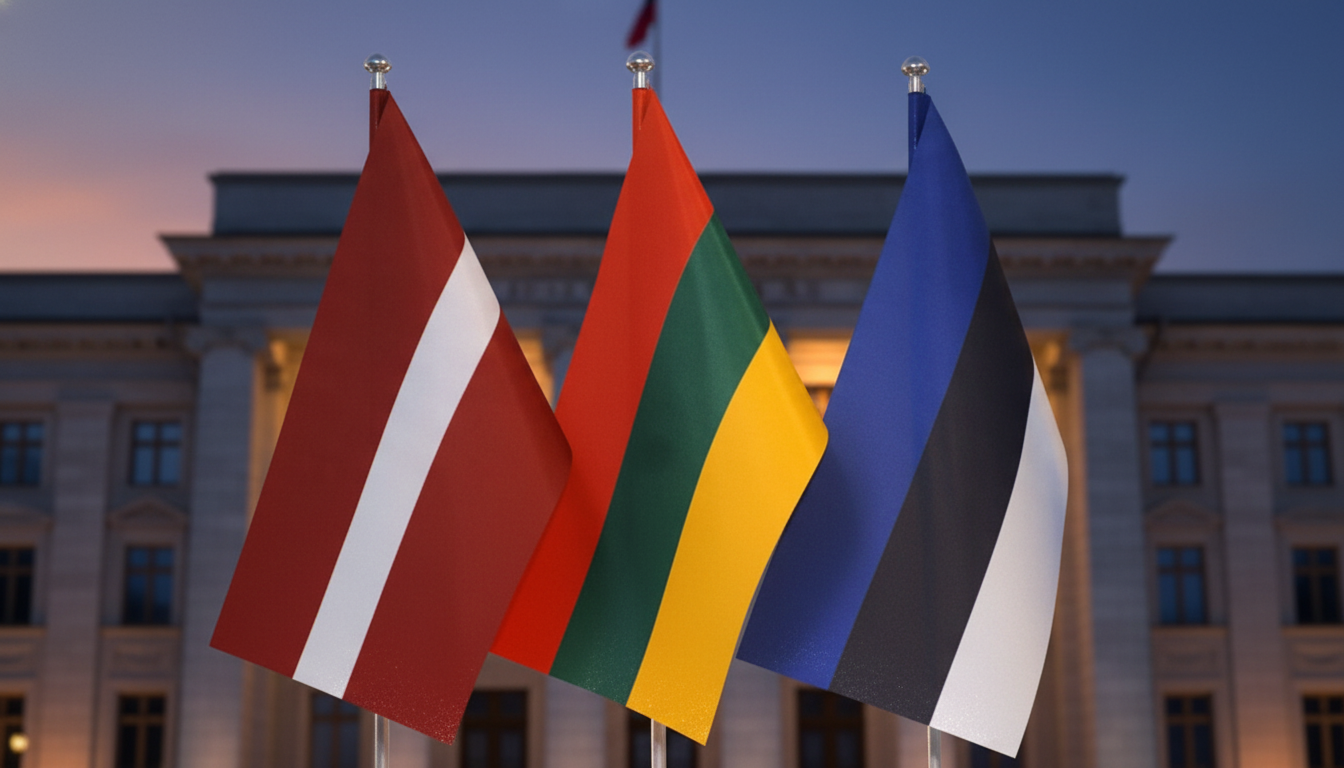
EU Support for the Baltics Amid Rising Russian Aggression
According to UATV: European Commission President Ursula von der Leyen has reaffirmed her support for Lithuania, Latvia, and Estonia in the face of escalating threats from Russia. The three Baltic nations are increasingly alarmed by the Kremlin’s hostile rhetoric and ongoing disinformation campaigns targeting their societies. During a visit to Vilnius on May 26, von der Leyen voiced deep concern over Russia’s information warfare, which Lithuanian officials say is designed to destabilize the region.
Lithuania’s State Security Department has confirmed that Russia is actively running an information operation against the Baltic states. Estonia’s Foreign Minister Margus Tsahkna noted a rise in provocations from Moscow, adding that
“Russia is waging a large-scale campaign to spread fake news”— Margus Tsahkna. These actions have heightened anxiety across the region, prompting Baltic governments to bolster their own information security measures.
Russia’s Legal Maneuvers and Regional Fallout
In addition, Moscow plans to take its grievances to the International Court of Justice, claiming that Lithuania, Latvia, and Estonia are violating the rights of Russian-speaking minorities. This move signals the Kremlin’s intent to intensify its activities on the global stage. Security expert Remigijus Briedikis warned:
“We must understand that first and foremost, an information operation is being waged against us”— Remigijus Briedikis.
Compounding these concerns, Russian President Vladimir Putin has signed a law authorizing the use of the military to protect Russian citizens abroad—a step that could further inflame tensions in the region. The Baltic states are now urgently seeking security guarantees and stronger backing from the European Union as they face what they see as an increasingly aggressive Russia.
The situation in the Baltic region remains tense due to Russia’s active information campaigns and new legislative moves from the Kremlin. Support from the European Commission and allied nations could prove crucial in maintaining stability and security in this strategically vulnerable area. Russia’s next steps, particularly in light of its international accusations, may lead to further escalation and demand a more decisive response from Western countries.
Read also
- Russia’s Accusations Over Zaporizhzhia Engineer’s Death Dismissed by Ukraine’s Foreign Ministry
- CIA Director: Russian Soldiers Survive Only 30 Minutes on the Frontline
- US Greenlights License for Patriot Missile Production in Ukraine
- How Ukraine's Closure of the Kerch-Yenikale Canal Three Years Ago Disrupted Russian Logistics
- Protests Erupt in Kyiv Over Government Shakeup and Fedorov’s Resignation: Key Details
- New Ukrainian Government Appointed: Here Are the Ministers Who Got the Jobs