CIA Director: Russian Soldiers Survive Only 30 Minutes on the Frontline.

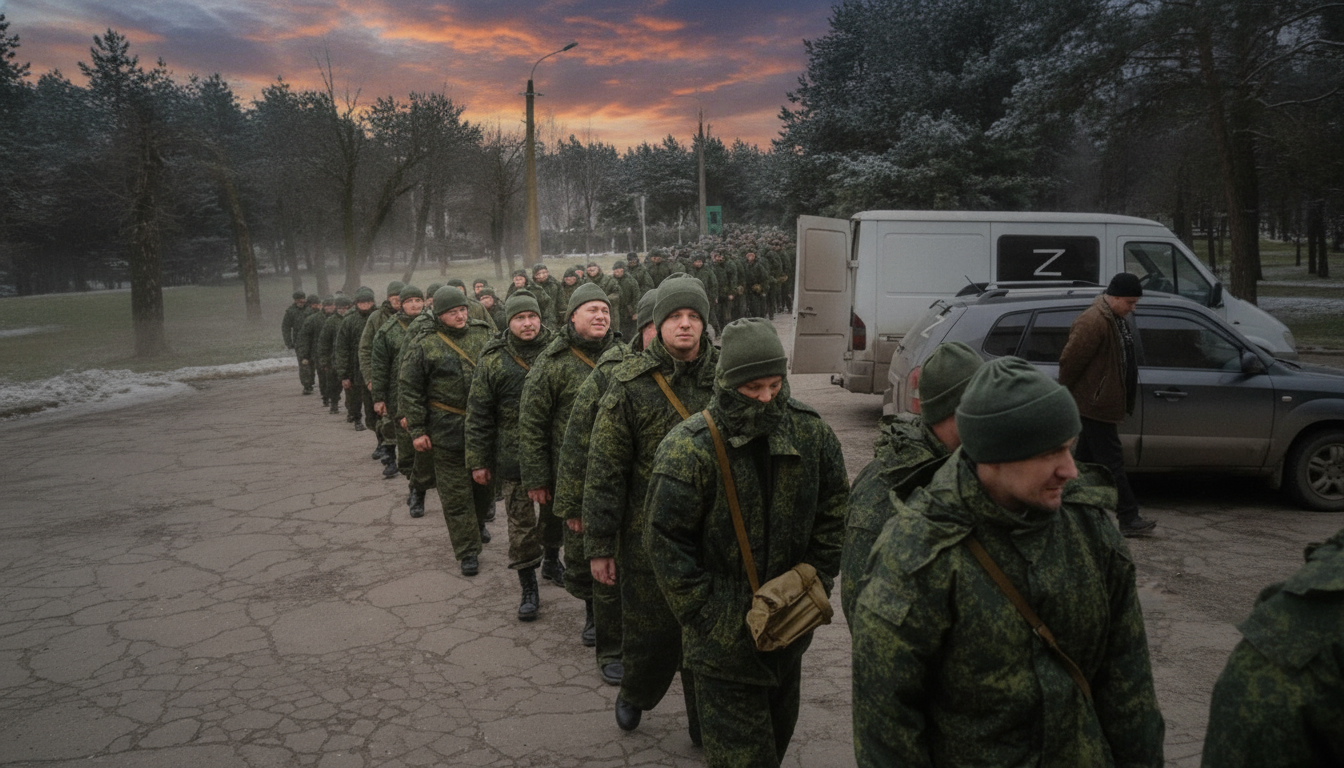
Frontline Conditions in Ukraine
According to UATV: The situation on the battlefield in Ukraine remains severe, with Russian forces suffering heavy casualties. CIA Director John Ratcliffe has stated that Russian soldiers on the front lines in Ukraine survive for no more than 20 to 30 minutes, highlighting the extreme dangers faced by Moscow's troops. According to reports, the Russian army is losing approximately 1,300 personnel per day, and U.S. officials estimate that Russia suffers around 7,000 casualties each week.
Russia's Mobilization Efforts and Ukraine's Response
In early July 2023, Russia had fulfilled less than half of its annual military recruitment target, having enlisted roughly 195,000 individuals against a goal of 204,500. These figures suggest potential challenges in mobilizing and staffing the army. A representative from Ukraine's Main Intelligence Directorate (GUR) stated,
“The likelihood of a mobilization—specifically after the elections—is high.”At the same time, he noted that the Kremlin is trying to avoid the topic of mobilization as much as possible.
Ukrainian President Volodymyr Zelenskyy highlighted the effectiveness of his country's forces, pointing out that over 80% of Russian targets are neutralized using unmanned aerial vehicles. He also shared his view on shifting public sentiment in Russia:
“I don't know exactly how many people support Putin. But the percentage of those who do not support the war and want it to end has grown rapidly.”
Regarding the possibility of a new mobilization in Russia, Czech President Petr Pavel suggested that after the parliamentary elections, dictator Vladimir Putin could announce another round of conscription, leading to further escalation of the conflict. Data indicates that in 2026, more than half of Russia's regions have been affected by air raid sirens, reflecting rising anxiety among the population.
Overall, the situation on the front in Ukraine remains critical, with significant losses among Russian troops and potential shifts in the Kremlin's mobilization strategy. The growing number of Russians who oppose the war may signal changes in public opinion, which could in turn impact the country's domestic political landscape. Given the high casualty rates and recruitment difficulties, the Kremlin may be forced to reconsider its approach to sustaining military operations in Ukraine.
Read also
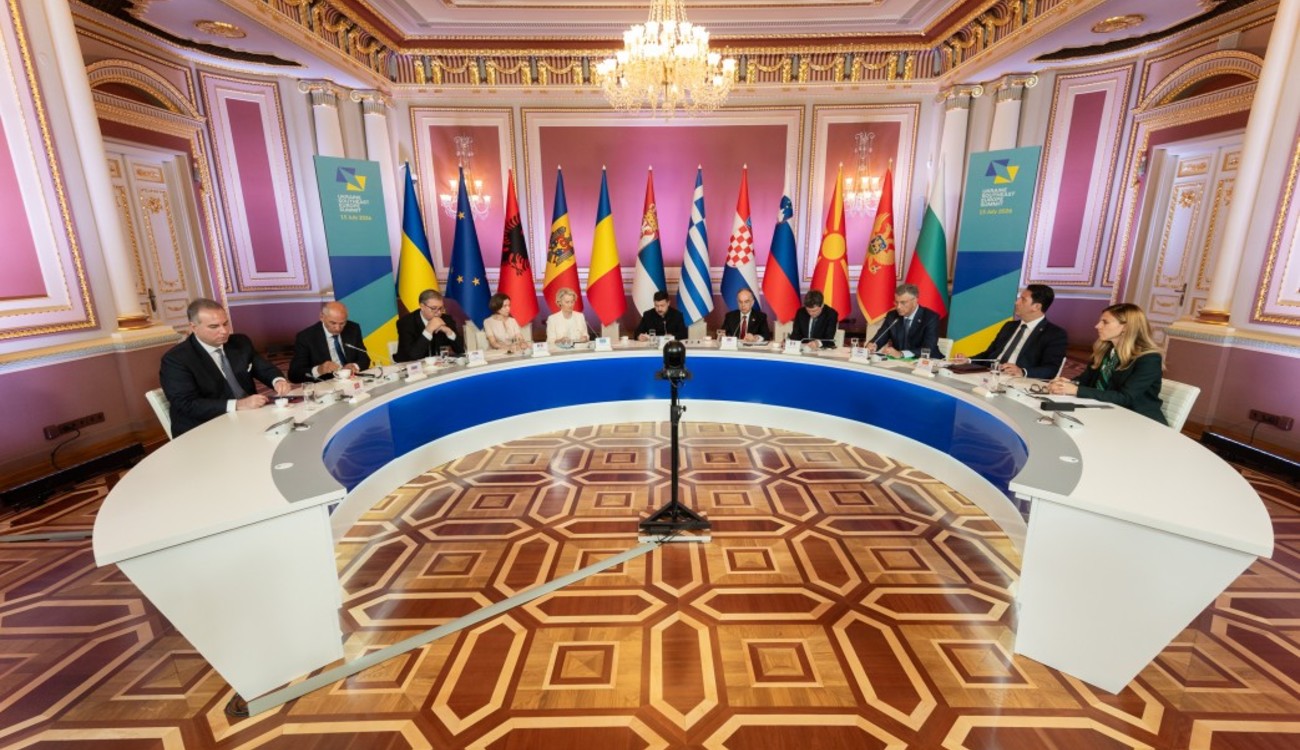
- At Kyiv Summit, Zelensky Urges Europe to Maintain Pressure on Russia Through Sanctions
- Fuel Shortages and Rising Prices Drive Russians to Buy Foreign Currency in Droves
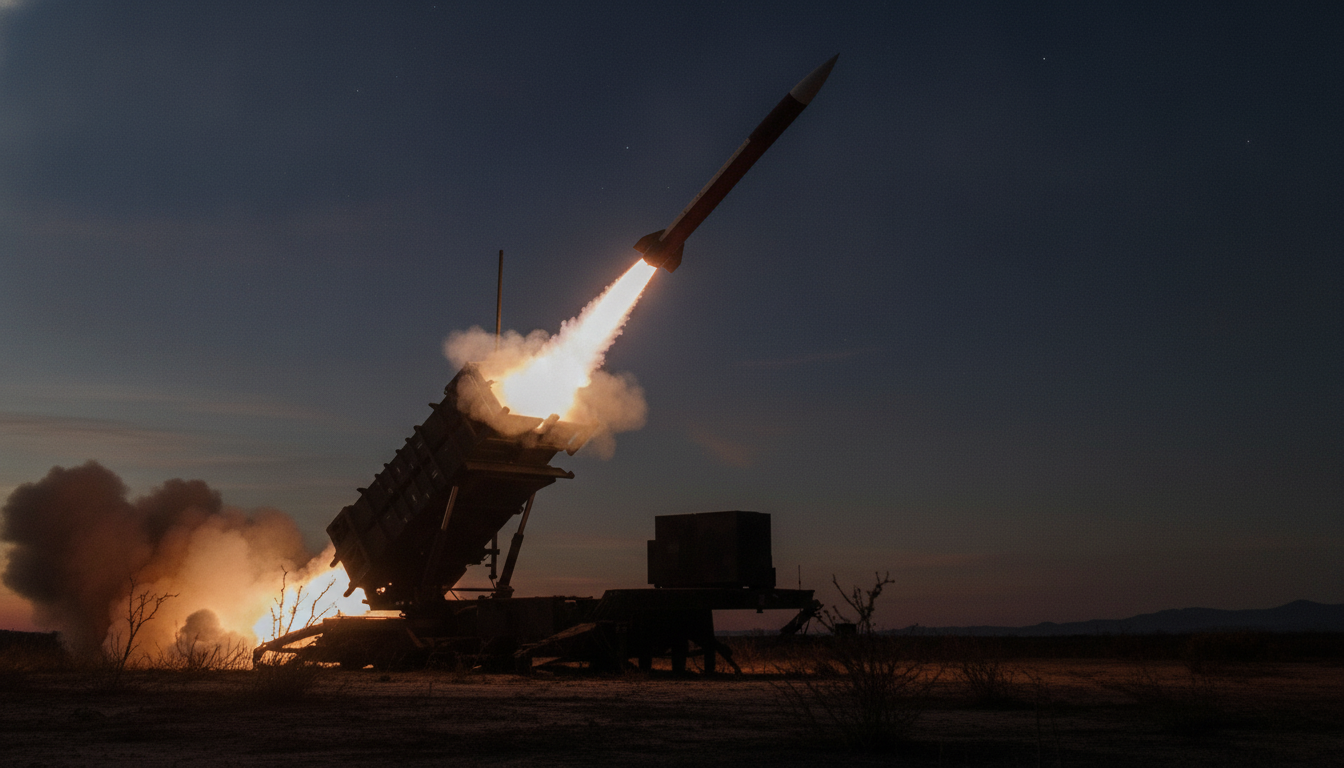
- US Greenlights License for Patriot Missile Production in Ukraine
- New Ukrainian Government Appointed: Here Are the Ministers Who Got the Jobs
- Capital Flight from Russia: Why Billionaires Are Moving Assets Abroad
- Zelenskyy Unveils New Government: Key Appointments in the Koretskyi Cabinet