Tough New Beach Bans Across Europe: What Travelers Need to Know.

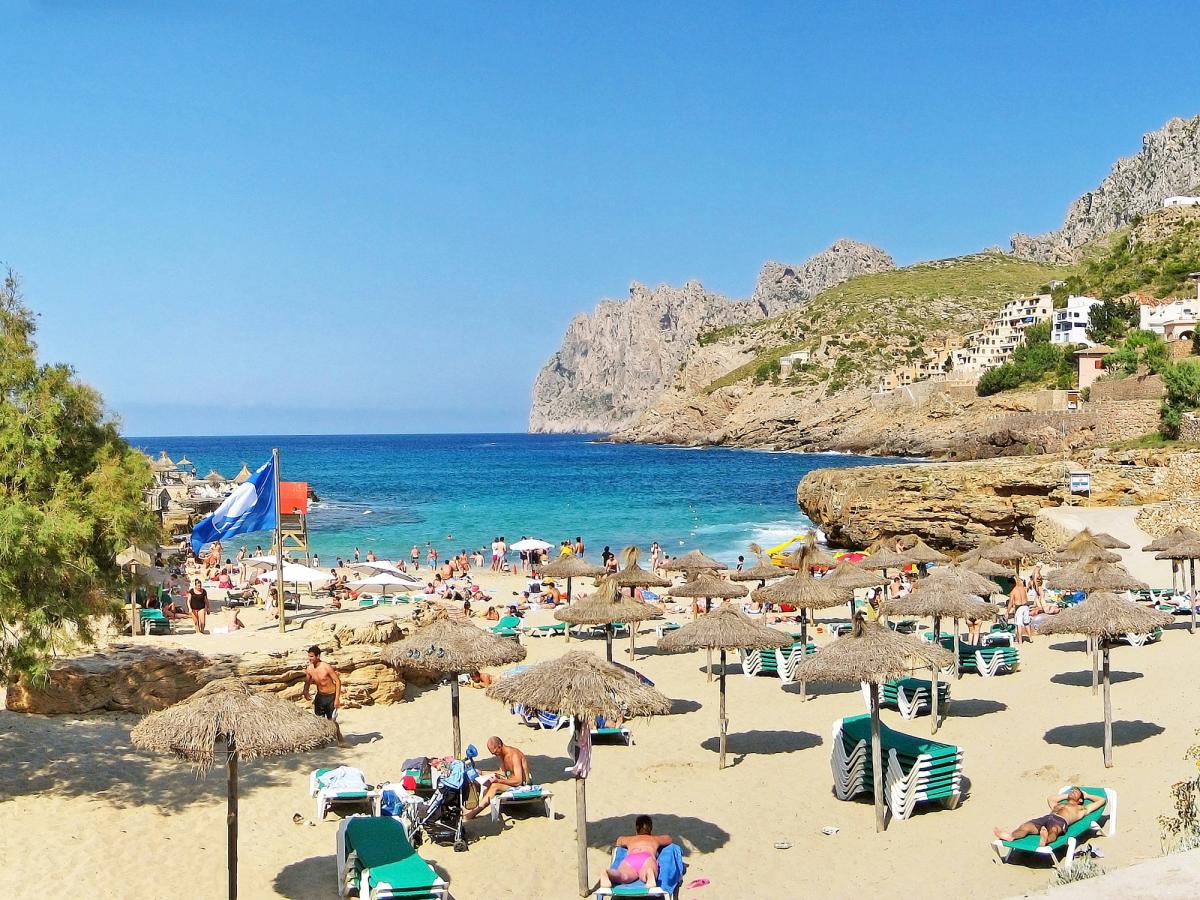
Stricter Rules Take Effect at European Beaches
According to Tourism.d.ua — Туризм: In response to surging tourist numbers, European beaches are rolling out a wave of strict regulations, including bans on loud music, restrictions on umbrellas, and smoking prohibitions. These measures aim to maintain order and comfort at popular destinations like Sardinia, Costa Blanca, and other regions. For English-speaking travelers planning a European holiday, understanding these changes is essential to avoid fines and disruptions.
At Punta Molentis beach in Sardinia, new limits on umbrellas, tents, and canopies are designed to reduce overcrowding. Meanwhile, at Pelosa beach, also in Sardinia, violators face fines of up to €100. Greece has gone even further, designating 251 beaches where any structures are banned, potentially causing inconvenience for visitors who rely on shade or shelter.
Penalties for Breaking the Rules
On Spain's Costa Blanca, specifically in Calp, leaving belongings on the sand before 9:30 a.m. is now prohibited, with fines reaching €250. Additionally, over 600 beaches across Spain have banned smoking and vaping, reflecting growing awareness of environmental and health concerns. In Italy, particularly Sorrento, improper beach behavior—such as walking through town in a bikini or swim trunks—can result in fines up to €500. In Albufeira, wearing swimwear away from the beach carries penalties ranging from €300 to €1,500, while in Barcelona, a similar offense in shops can cost up to €300.
Other countries enforce equally strict rules. Since 2022, Vigo has imposed a €750 fine for 'physiological relief' in the sea or on the beach. In Portugal, playing music too loudly can lead to fines between €200 and €4,000. Furthermore, dogs are banned from many beaches in Italy, Spain, France, and Croatia, adding another layer of restriction for pet owners. On a positive note, 96% of EU bathing areas meet minimum water quality standards, highlighting ongoing efforts to ensure safety and cleanliness.
These new regulations underscore a push to manage tourism and enhance comfort for all beachgoers, marking a significant step toward preserving ecology and public order.
The introduction of new beach rules across Europe is a direct response to rising tourist numbers and their impact on the environment and visitor comfort.
While these restrictions may significantly alter the vacation experience at popular resorts, they also help protect natural resources and improve overall holiday quality. Similar measures are expected to spread to other tourist regions as authorities seek a balance between visitor comfort and environmental responsibility.
Read also
- Getting to Korostyshiv Canyon: What to See and Travel Challenges in Zhytomyr Region
- Top Travel Picks for 2026: Cyprus Leads in Water Purity and a Spanish City Named Best for Solar Eclipse Viewing
- British travelers ranked world's worst tourists: habits that annoy Europe the most
- Turkey Lures Travelers with the 'Blue Cruise' – What the Blue Mind Concept Means
- Harry Potter Steam Train Halted in UK as Heatwave Sparks Wildfire Fears
- Safe Swimming Across Europe: 96% of Beaches Meet Quality Standards, with Top Clean-Water Countries Revealed