Energy tariffs are rising: how to heat your home effectively without mold.

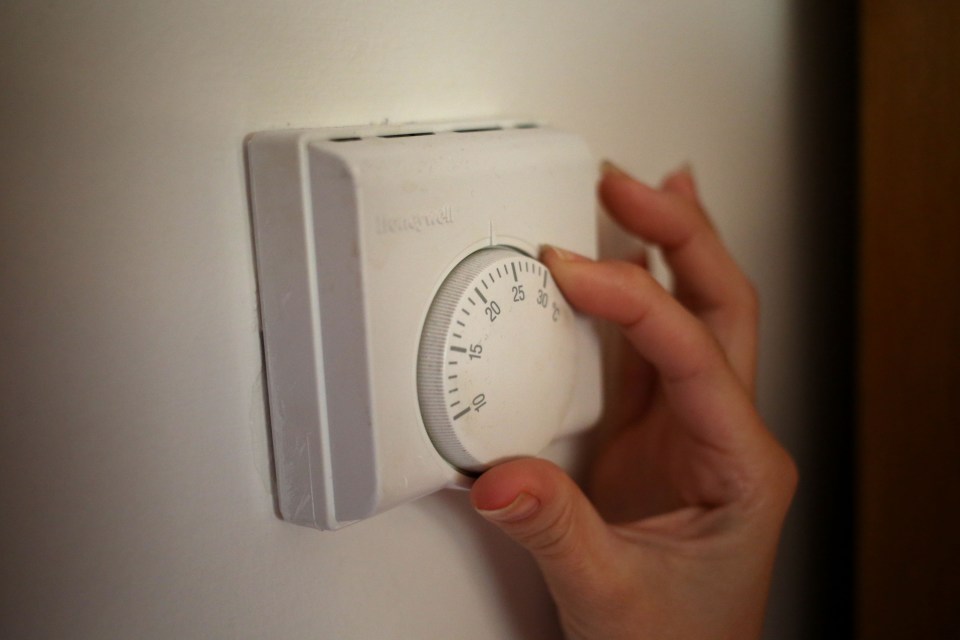
According to The Sun: With the onset of cold weather, you are likely considering how to prevent mold and condensation in your home.
Mold not only harms your health but can also be costly if the problem worsens.
Continue reading to find out some tips on how to heat your home economically and prevent mold PAAs of October 1st, energy bills will once again begin to rise, as they have in previous winters, making the issue of saving on heating more relevant, otherwise problems with mold may arise.
The new energy price cap means that bills will rise by £35.14 a year for households using an average amount of energy – to £1,720, which came into effect in July.
This means that monthly costs will increase by £2.93, so a household on a standard tariff will pay £102 instead of the previous £100.
Tips to avoid condensation and mold
To prevent condensation and mold in the cold months, it is essential to adhere to certain temperature recommendations in the home.
Ben Galizzi, an energy-saving expert at Uswitch.com, said: “Keeping your home warm can help prevent mold during the coldest months of the year.”
It is not recommended to lower the temperature below 15-16 degrees, as this can cause condensation.
This can lead to increased dampness and, subsequently, mold if timely measures are not taken.
According to the Energy Saving Trust, lowering the thermostat can save up to 10% on energy bills.
For example, by reducing the temperature from 22 to 21 degrees, you can save £90 a year in the UK and £100 in Northern Ireland.
How to prevent mold
Mold develops when the air contains excess moisture, something everyone with a dehumidifier faces.
The warmer the air, the more moisture it can hold.
When moisture cools on cold surfaces like walls or windows, it condenses into water droplets.
This condensation often leads to mold growth, which can negatively affect your respiratory system and overall health.
Respiratory problems caused by dampness and mold can lead to severe illnesses.
“They remove water from the air in your home to reduce condensation,” added Mr. Galizzi.
Ventilating windows for a few hours can also be beneficial, although this may be challenging as the cold sets in.
How to get rid of mold
If mold has already appeared in your home, do not panic – there are ways to combat it.
Try mixing one part bleach with four parts water and treating the affected areas with a cloth or brush.
It is also worth considering supermarket mold removers – inexpensive options can prove to be more effective.
Additionally, tips from Instagram bloggers @thecleangroup can help ease this process.
If the mold has spread too much, it's better to consult specialists who can handle the problem more effectively.
With the onset of cold weather, it is especially important to monitor humidity in the home, as this can lead to serious problems not only with health but also with interests in the further use of the property. Taking appropriate measures and responding promptly to problems will help you keep your home comfortable and safe. Be attentive to temperature changes and take simple yet effective actions to prevent mold.Read also
- Ukraine Launches Free AI-Powered Job Platform: What This Means for Job Seekers
- Facing Diesel Shortages, Russia Bans Exports and Turns to Imports for the First Time
- Kyrgyzstan Scrambles for Fuel as China and Belarus Step In to Replace Russia
- UDP Leadership Accused of Asset Theft: Losses Hit $7 Million
- Russia Faces Fuel Crisis: Putin Admits Shortages as Moscow Prepares to Import Petroleum Products
- Half a Million Bankruptcies in One Year: Russia’s Economy on the Brink of Collapse