A Simple Boiler Trick to Save £65: How to Reduce Heating Bills.


According to The Sun: As the cold weather approaches and energy prices rise, it's important to prepare your home for winter.
At the beginning of October, the energy price cap rose by 2%, causing the average annual bill for a household to increase from £1,720 to £1,755.
Therefore, finding ways to reduce energy costs becomes particularly relevant.
MoneySavingExpert offers a simple and effective method to decrease expenses.
If you have a combi boiler, one of the main ways to save is by lowering the temperature. It is usually set higher by default, which reduces the boiler's efficiency. Lowering this temperature can reduce gas consumption by about 8%, which is approximately 940 kWh. This action can save around £65 per year.
The flow temperature of the water determines what temperature the water leaves the boiler to heat your radiators. Lowering the temperature allows radiators to maintain warmth in the rooms for a longer time, and well-insulated homes can keep a comfortable temperature while using less energy.
Octopus Energy recommends reducing the temperature to 50°C, which is typically suitable for insulated homes.
Updating Radiator Valves
Another way to save is by updating radiator valves.
These elements can be found in most hardware stores, with prices starting from £6.42.
Thermostatic radiator valves (TRV) control the flow of hot water to the radiator.
These devices respond to the temperature in the room and adjust how much hot water enters the radiator.
If the room is colder than the set temperature, the TRV will allow more hot water to flow to heat the space more quickly. When the temperature rises, the TRV limits the flow of cold water, ensuring comfort.
The average household can save up to £75 a year with TRVs on all radiators, according to British Gas.
Experts recommend setting TRVs to 2 or 3 in an average room.
Adjusting the Thermostat
Setting the thermostat to the lowest comfortable temperature is one of the easiest ways to reduce costs.
According to the Energy Saving Trust, lowering the temperature by just 1°C can save up to £90 a year.
Experts also suggest not raising the thermostat on cold days.
Your home will still heat up to the set temperature, even though it may take longer. To stay warm, set the heating to come on earlier during winter mornings.
Check Your Radiators
Air trapped in radiators can increase your energy costs by diminishing their efficiency.
Common signs of radiator problems include knocking and rattling noises, as well as cold spots when heating, often caused by trapped air.
This is easy to fix yourself without needing to call a plumber.
At The Range, radiator keys cost just £1.99, making them an affordable way to improve your radiator's efficiency.
How to Bleed Radiators?
- Turn off the boiler – first, turn off the boiler and wait for the radiators to cool down to avoid contact with hot water.
- Get an air bleed key – if you don't have one, buy it at most stores.
- Open the air bleed valve – use the key to turn the valve a quarter turn counterclockwise. Place a towel or bowl under the valve in case water comes out.
- Close the valve – don’t worry about the hissing; it’s just air escaping.
- If the hissing stops, close the valve again.
Add Insulation in the Attic
Insulation creates a thermal barrier that retains heat inside your home, reducing the need for a central heating system.
Approximately 25% of heat is lost through the ceiling, attic, and roof – this leads to additional energy costs.
Experts recommend increasing the depth between beams to 270mm for maximum effect.
This is quite simple to do, and at Screwfix, six-meter rolls of insulation cost just £25.
According to the Energy Saving Trust, adding insulation in the attic could reduce annual energy bills by £390 for a detached house, £230 for a semi-detached, £210 for a terrace, and £390 for a detached bungalow.
Prevent Draughts
Preventing draughts is a simple solution for reducing energy costs.
Homes without draughts retain heat better, allowing for comfort even at lower thermostat settings.
Blocking draughts around windows, doors, and floors can save up to £85 a year, according to the Energy Saving Trust.
Additionally, if you have an open chimney, covering it when not in use can save an additional £60 a year.
What Help is Available for Energy Bills?
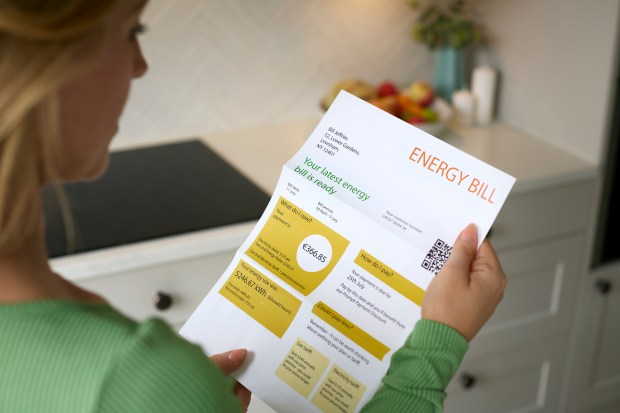
There are many options to receive financial aid for paying your energy bills if you are facing difficulties.
If you are in debt, contact your supplier to see if they can offer a repayment plan before switching to a prepayment meter.
This involves paying off the debt in installments over a set time.
If the repayment plan they offer is unsuitable for you, reach out to the supplier again to discuss more favorable terms.
Several energy companies have support schemes for consumers who are struggling to cover their bills.
However, eligibility criteria may vary by supplier, and the amounts you can receive depend on your financial situation.
For example, British Gas or Scottish Gas customers who cannot pay their bills may receive grants of up to £2,000.
British Gas also provides assistance through its British Gas Energy Trust and Individuals Family Fund.
You don’t need to be a British Gas customer to apply for the second fund.
EDF, E.ON, Octopus Energy, and Scottish Power also offer grants for customers facing financial difficulties.
Thousands of vulnerable households remain without additional support and protection, having not registered with the Priority Services Register (PSR).
This service provides support to vulnerable households, such as the elderly or those with health issues.
Some services include notifications about power outages, free gas safety checks, and extra support if you face difficulties.
Contact your energy supplier to see if you can apply.
Preparing for winter and optimizing energy costs can significantly assist households during this challenging period. By following these tips, you can greatly reduce energy bills while also improving comfort in your home. We hope these practical steps will be helpful to anyone looking to save this winter.Read also
- New U.S. Tariffs Hit 60 Nations: Here Are the Rates for the EU and Russia
- Russia’s Oil and Gas Revenue Set to Surge by 60%—Here’s What’s Driving the Jump
- IMF Disburses $690 Million Second Tranche to Ukraine: Where the Funds Are Going
- Russia’s Budget Deficit Could Hit 7 Trillion Rubles—What Are the Default Risks?
- Expert Sets Critical Threshold: 60% of Russia's Oil Refining Capacity Must Be Destroyed
- Russia Faces Imminent Fuel Crisis: Why Refinery Recovery Is Nearly Impossible, Expert Warns