Energy tariff will rise from October: simple adjustment to save £90.

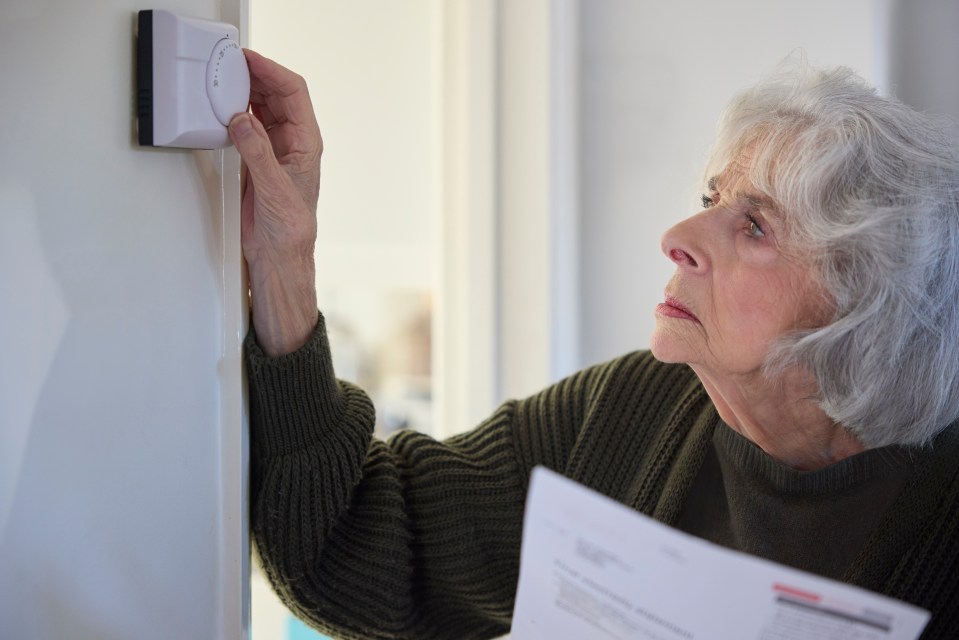
According to The Sun: Millions of households in the UK will face a new hit to their wallets - from October, the annual energy bill will rise by £35.
The tariff will increase from £1,720 to £1,755, which will be an additional burden for families already experiencing financial difficulties.
GettyHowever, there is a simple way to save up to £90 on your bills without losing comfort and staying warm this winter.
The Energy Secretary noted that lowering the thermostat by just one degree could save approximately £90 a year in the UK.
In Northern Ireland, the savings could reach £100.
It is recommended to set the thermostat to the lowest comfortable temperature for you, usually between 18-21 degrees.
Lowering the thermostat from 22 to 18 degrees can save up to £360 a year.
But if you have medical issues related to the cold, do not lower the temperature below 21 degrees.
The amount saved will also depend on the size of your home, the rate of heat loss, the heating running time, the winter temperature, and energy tariffs.
A simple way to reduce bills is not to turn on the heating at all.
However, without heating, serious health problems may arise, as well as issues with your property — such as burst pipes.
How to control your thermostat?
Lower the thermostat by one degree and check how it affects your comfort.
If you have a digital or smart thermostat, just press the up and down arrows to reduce the temperature.
For a manual thermostat, simply turn the dial counterclockwise.
You can save even more with a programmable thermostat, which allows you to adjust the heating based on whether you are home or away, or asleep.
Installing a programmable thermostat and thermostatic radiator valves can reduce your bills by £110 in the UK or £120 in Northern Ireland.
A programmer allows you to set the time to turn the central heating on and off.
You should set the program as follows:
- turn on about 30 minutes before you get up;
- turn off about 30 minutes before bedtime.
Make sure the programmer is not set to automatically turn on the heating during the transitions to and from daylight saving time.
It is also worth checking the thermostatic radiator valves (TRVs) to avoid heating rooms you are not in.
TRVs are regulators on your radiator that allow you to set an individual temperature.
They usually have a knob with numbers that allows you to set the desired value.
Is it cheaper to leave the heating on all day?
In most cases, leaving the heating on during the day will not save money.
It is better to turn it on only when necessary.
With continuous heating, your home constantly loses heat, and you don’t benefit from the warmth since it is at a very low level.
This is especially important if your home is poorly insulated.
It also makes no sense to heat rooms when you are not there.
It is cheaper to turn off the heating at night and wrap yourself in warm blankets.
However, there are situations when this may not work.
For example, underfloor heating requires continuous light heating to be effectively warmed up.
If you are dealing with condensation, it is advisable to maintain a stable temperature to avoid moisture accumulation on surfaces, which can lead to mold.
If you have a heat pump, it is better to keep the heating on, as this device works most efficiently at a constant low temperature.
Also, don't forget about safety — you can maintain an optimal thermal balance by investing in insulation, blocking drafts, and closing curtains.
Facing financial difficulties? Contact us at [email protected].
Join our Facebook group Sun Money Chats and Tips to share tips and stories.
Read also
- Oschadbank to Deactivate Expired Cards: Steps Ukrainians Must Take to Keep Access to Their Accounts
- Why Ukraine Cannot Rely Solely on Foreign Aid for Post-War Recovery, According to an Economist
- Mandatory Cosmetic Registration for Sole Proprietors: Fines Up to 340,000 UAH
- Sharp Spike in Ukraine Water Bills Set for July 1, 2026: Here’s What Residents Will Pay
- No July 2026 Minimum Wage Hike in Ukraine as Bill Is Withdrawn
- Gdańsk Signs 160 Deals Worth €10 Billion: What This Means for Ukraine