Scammers Demand Money for Fake Weight Loss Drugs: How to Avoid Becoming a Victim.

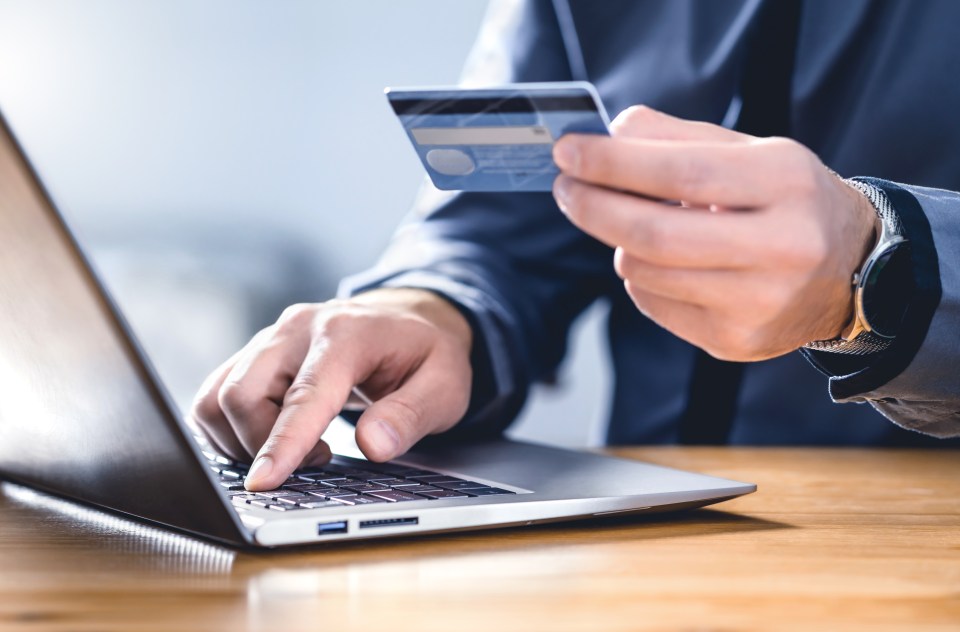
According to The Sun: Since the beginning of the year, the number of scams related to consumer products for weight loss has nearly tripled, warns one of the largest banks.
Banco Santander reported that the number of clients who contacted them about money theft by scammers offering fake weight loss products has increased by 286% since the beginning of the year.
GettyThe bank warns British citizens about the dangers of buying injections and pills for weight loss from 'unqualified sellers' online.
These purchases not only pose financial risks but can also significantly impact your health if you accidentally buy counterfeit products.
From July to September this year, Santander clients reported losses of £3,742 due to scams that occurred while attempting to purchase weight loss products, including injections, pills, and fat dissolvers.
This is a significant increase compared to £724 recorded from January to March, and £1,536 for the period from April to June.
“We know that scammers are well acquainted with the latest consumer demands — but this data indicates a particularly cruel method that exploits human complexes and health issues, as scams related to weight loss products, supplements, and medications have surged in recent months,” said Michelle Pillsworth, head of fraud at Santander UK, in a comment to The Sun.
“These scams affect both men and women, and almost all of them occur through social media and messaging services.”
“Our message is clear: if a deal looks too good to be true, it probably is. Buying from unqualified sellers online can lead to serious financial, health, and personal costs,” she added.
This is happening against the backdrop of a rise in illegal supplies of weight loss injections, which is expected to grow further after the price increase of Mounjaro last month.
Last week it was revealed that counterfeit websites and social media accounts were posing as sellers of a new injection of retatrutide, known as 'Godzilla' for weight loss, as well as 'Triple G', even without completing clinical trials.
Mark Tierney, CEO of Stop Scams UK, said: “It’s shameful that scammers exploit people’s desires to improve their health.”
“The sharp rise in scams related to weight loss products shows how quickly criminals adapt to trends and how ruthless they are in exploiting them.”
Santander also noted an increase in scams involving counterfeit cosmetic products and services, such as Botox, fillers, collagen injections, and perfumes, during the period from April to June.
The bank stated that this is related to criminals targeting consumers eager to prepare for summer.
How to Protect Yourself from Scams
As scams related to weight loss injections and pills increase, consider some ways to protect yourself.
“There are many online pharmacies offering private prescriptions for weight loss injections like Wegovy and Mounjaro, but before taking action, you should do your research and ensure that you only use legitimate providers,” advises dietitian Shefali Lot from Which?.
If you're uncertain whether a seller is legitimate, check the pharmacy’s registration with the General Pharmaceutical Council's guide.
Avoid sellers promoting their products on social media, especially if they seem too good to be true.
“Don’t risk your health by purchasing from unauthorized sources — especially when they are advertised on social media. Even if you think you're making a good deal, you could end up with counterfeit products that may be unsafe or have not undergone proper safety checks,” adds Ms. Lot.
Ms. Pillsworth from Santander points out that scammers often use vague phrases like 'weight loss injection', 'metabolic booster', or 'trying to get lean' to mislead buyers and convince them of the legitimacy of products that do not require a prescription.
Regarding general cosmetics purchases, be cautious with sellers that offer promotions on products or items at suspiciously low prices.
“Avoid paying by bank transfer,” emphasizes Ms. Pillsworth. “Use payment methods like PayPal that may provide some protection if the product doesn’t arrive.”
Tips to Protect Against Scams
By following these tips, you can avoid falling into scam schemes:
- First, remember that if something looks too good to be true, it usually is.
- Check if brands have 'verified' profiles on Facebook and Twitter — this means the company participates in a verification program.
- Look for grammatical and spelling errors; scammers often write poorly.
- If you are asked to click on a URL, hover over the link to see the address it will take you to — does it look legitimate?
- To stay as safe as possible, avoid clicking on unsolicited links in messages, even if they appear to come from a trusted contact.
- Be cautious opening email attachments; scammers often attach dangerous files.
- If you receive a suspicious message, report it to the company, block the sender, and delete it.
- If you think you've become a victim of fraud, report it to Action Fraud at 0300 123 2040 or use their online fraud reporting tool.
Do you have financial problems that need addressing? Contact us at [email protected].
You can also join our Facebook group Sun Money Chats and Tips to share your advice and stories.
Read also
- New U.S. Tariffs Hit 60 Nations: Here Are the Rates for the EU and Russia
- Russia’s Oil and Gas Revenue Set to Surge by 60%—Here’s What’s Driving the Jump
- IMF Disburses $690 Million Second Tranche to Ukraine: Where the Funds Are Going
- Russia’s Budget Deficit Could Hit 7 Trillion Rubles—What Are the Default Risks?
- Expert Sets Critical Threshold: 60% of Russia's Oil Refining Capacity Must Be Destroyed
- Russia Faces Imminent Fuel Crisis: Why Refinery Recovery Is Nearly Impossible, Expert Warns