Films and Documentaries about the War in Mariupol: Real Events on Screen.

The full-scale war in Ukraine has become one of the most documented events of modern times, with the city of Mariupol serving as its tragic symbol. Destruction, humanitarian catastrophe, the defense of 'Azovstal', and the life of civilians under shelling have all become themes for a number of documentaries and feature films.
Films about Mariupol fulfill not only an informational but also a deep psychological function: they capture a reality that is difficult to comprehend, while helping viewers process the collective experience of trauma. Through personal stories, footage from the scene, and eyewitness testimonies, film transforms into a form of memory that preserves the truth about the war. Such works are often created under conditions of danger, which gives them a unique authenticity and emotional strength. They do not embellish reality and do not attempt to simplify it; on the contrary, they demonstrate war as it is: complex, painful, and multidimensional.
That is why the theme of a documentary film about Mariupol is so tragic and, at the same time, important for Ukrainians.
Films about Mariupol
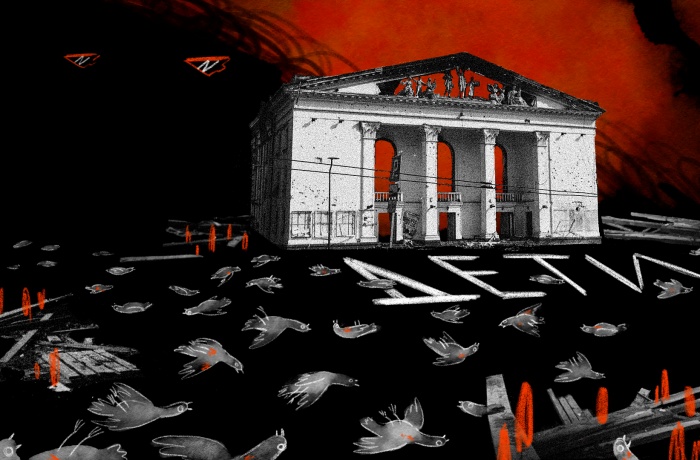
The theme of Mariupol has become one of the central topics in modern Ukrainian documentary cinema. Directors, journalists, and eyewitnesses documented events in near real-time, which allowed for the creation of a unique array of video testimonies. Among these films are both reporting works and deeper auteur studies that analyze the psychological and social consequences of war. An important feature of such films is the absence of distance between the event and its depiction: the camera often becomes the sole instrument of truth-fixing in conditions of information isolation.
Most works focus on the lives of civilians: the search for water and food, evacuation, loss of housing and loved ones. The theme of the city's defense by Ukrainian military is also highlighted, adding a heroic dimension to the stories. Through the combination of these two lines—civilian and military—an integral picture of events is formed. At the same time, films serve the function of documenting war crimes, which is important for the international community.
These works also have significance for the psychological understanding of trauma. They allow viewers to see how people adapt to extreme conditions, how their behavior, emotional reactions, and values change. Thus, the cinema about Mariupol becomes not only a historical document but also material for a deeper understanding of the human psyche in wartime.
20 Days in Mariupol
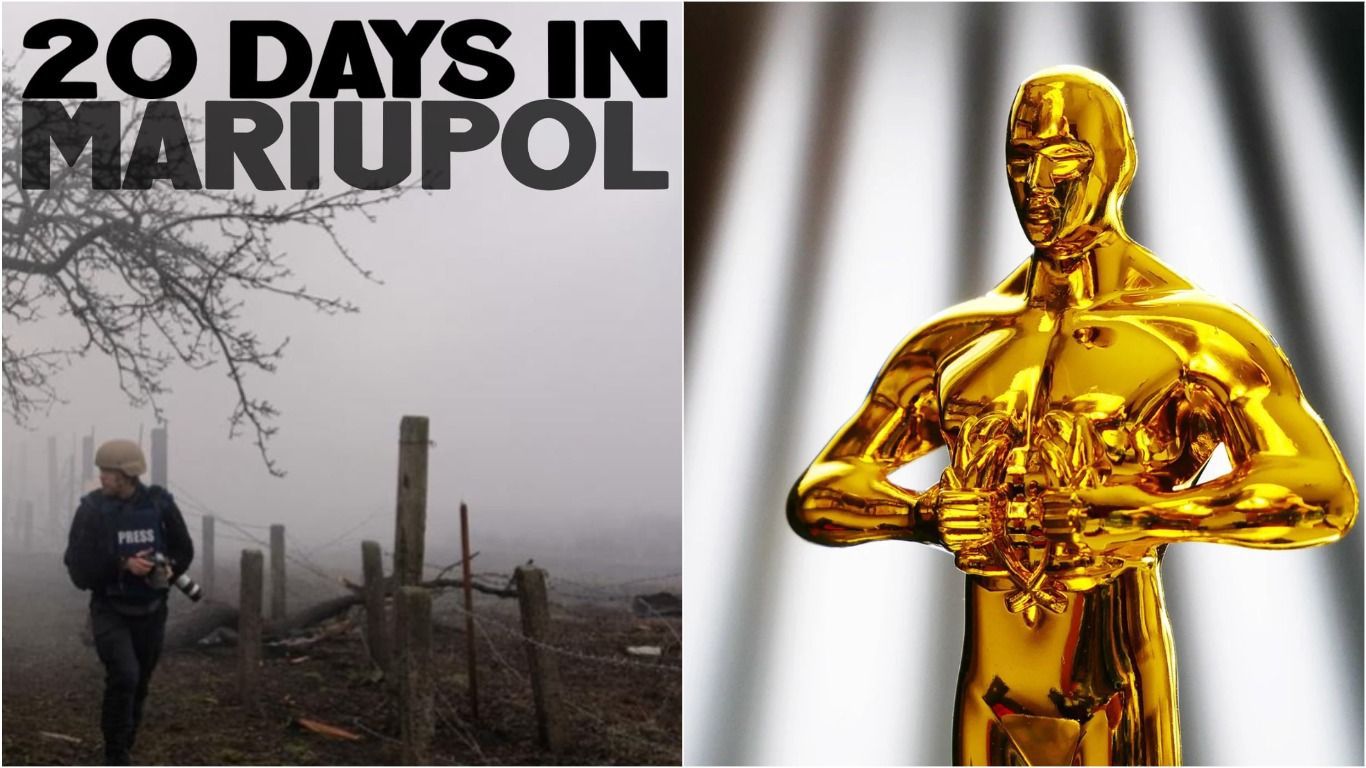
20 Days in Mariupol is one of the most famous documentary films about the siege of the city, created by journalists who remained in Mariupol at the beginning of the full-scale invasion. The film is based on real footage taken in the first weeks of the war, demonstrating the gradual transformation of the city from peaceful life to total destruction.
The film shows the work of medics, journalists, and ordinary residents who found themselves in constant danger. Particular emphasis is placed on scenes from hospitals, where doctors are forced to work without sufficient resources, treating the wounded under shelling. These shots create a strong emotional effect and highlight the scale of the humanitarian catastrophe.
From a psychological perspective, the film demonstrates people's reactions to extreme stress: from shock and denial to mobilizing internal resources. The viewer can observe how people's behavior changes, how mutual aid and solidarity form even in the most difficult conditions. The film has become an important testimony of events and received international recognition, emphasizing its significance.
Mariupol. Unlost Hope
Mariupol. Unlost Hope is a documentary film that focuses not only on the destruction but also on human resilience. The center of attention is the stories of residents who, despite all difficulties, maintain faith in the future. The film shows how even in the hardest conditions people find the strength to support each other, help, and not lose hope.
A distinctive feature of this work is the focus on the inner world of the heroes. The authors explore how people's emotional states change, how they cope with loss and uncertainty. This makes the film more reflective than purely reporting. It not only captures events but also attempts to understand their impact on personality.
The film also emphasizes the significance of support—both internal and external. Through the heroes' stories, it demonstrates that even minimal expressions of care can be crucial for psychological survival. This adds depth to the film and makes it significant from a humanitarian perspective on war.
Mariupolis 2
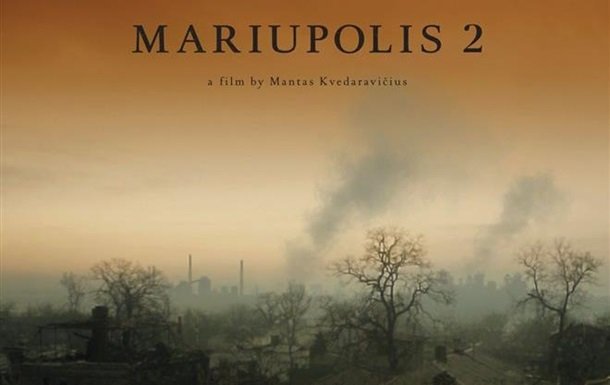
Mariupolis 2 is a continuation of the film made by a director who sought to depict life in the city during wartime. The film has a special observational atmosphere: the camera captures the daily lives of people, their conversations, experiences, and attempts to adapt to a new reality.
The film differs from other documentaries in its slower, meditative pace. It does not attempt to dramatize events but allows the viewer to immerse themselves independently in the atmosphere of the city. This creates a presence effect and makes the experience more personal.
Particular attention is paid to the theme of time: how it is perceived in wartime, how the feeling of everyday life changes. People continue to live, communicate, and perform routine actions even when destructive events are happening around them. This contrast enhances the emotional impact of the film.
Mariupol. A Hundred Nights
Mariupol. A Hundred Nights is a documentary work that focuses on the duration and exhaustion of being under siege. The title symbolizes not only a time interval but also the psychological state of people forced to live in constant fear and uncertainty.
The film shows how the perception of reality changes under the influence of prolonged stress. People gradually adapt to danger, but this adaptation has its price—emotional exhaustion, loss of a sense of security and stability. The film emphasizes that war is not only events but also a process that deeply impacts the psyche.
An important element is also the theme of memory. Through the personal stories of the heroes, the film preserves testimony about experienced events, turning them into a part of the collective experience. This makes the film significant not only in the context of the present but also for future generations.
Mariupol. Chronicles of Hell
Mariupol. Chronicles of Hell is a documentary film that concentrates on the most acute and painful moments of the siege of the city. It is built on a combination of eyewitness video evidence, fragments of destroyed infrastructure, and interviews with people who experienced these events. The main focus is not only on the very facts of destruction but also on the emotional reactions of the people caught in the epicenter of the catastrophe.
The film demonstrates daily life under complete isolation: lack of water, electricity, communication, and constant threat of shelling. At the core are the stories of ordinary residents trying to survive while maintaining their humanity. Particularly strong are scenes where people share their losses and fears, creating a sense of deep emotional immersion.
From a clinical-psychological perspective, the film illustrates manifestations of acute stress reactions: elevated anxiety, emotional instability, shock state, and gradual transition to adaptive mechanisms. The viewer can observe how people form a kind of 'survival norm,' where extreme conditions become part of everyday life.
An important feature of the film is its documentary honesty: the authors do not attempt to soften or aestheticize what is seen. The camera captures reality without embellishment, making the film an important source for understanding the scale of the tragedy. At the same time, this creates a strong emotional impact that can evoke empathy, shock, or even secondary traumatization in the viewer, highlighting the significance of psychological preparation for viewing such content.
The film also serves as a witness, preserving memory of the events and the people who experienced them. It becomes part of the collective experience that forms an understanding of war not only as a historical fact but as a deeply personal tragedy.
Our Home is Burning
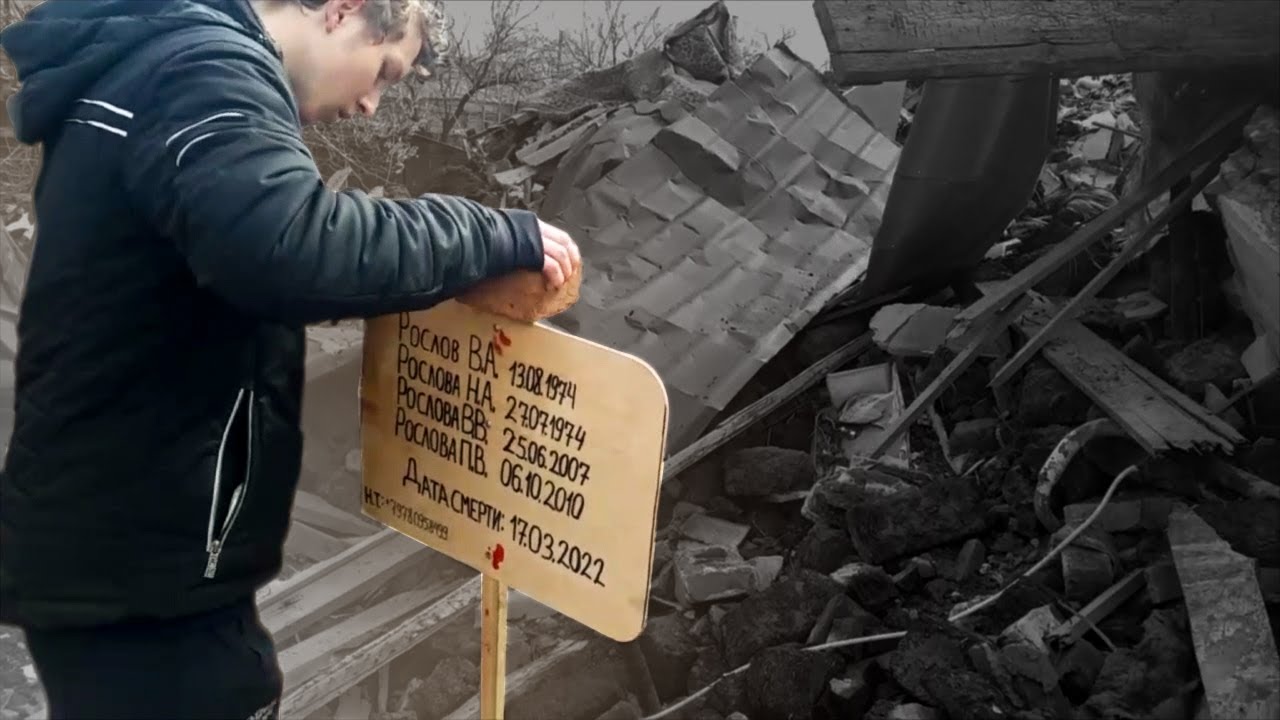
Our Home is Burning is a film that reveals the theme of war through the lens of the loss of home as a basic psychological support. The center of the plot consists of stories of families who were forced to leave their homes or witnessed their destruction. The film emphasizes that home is not just a physical space but also a symbol of safety, stability, and identity.
The film shows how the destruction of housing affects the mental state of a person: a feeling of loss of control, disorientation, anxiety about the future emerges. This is especially noticeable in children, for whom home is a key element in forming a sense of safety. Through their reactions, one can see how traumatic events impact development and behavior.
The film also explores the adaptation process after loss. The heroes try to find new points of support: in communication, support from loved ones, memories, or even in simple daily actions. This demonstrates the importance of social support as one of the main factors of psychological resilience.
From a clinical psychology perspective, the film reflects both acute stress reactions and possible long-term consequences, including symptoms similar to post-traumatic stress disorder. At the same time, it emphasizes that even in difficult conditions, people are capable of recovery, finding meaning, and gradually returning to life.
Special attention is given to the theme of memory and identity. The loss of home forces people to rethink their place in the world, seek new forms of self-expression and connection to the past. This makes the film not only a document of war but also a deep exploration of the human psyche under conditions of loss.
Read also
- Ukrainian Olympic Gymnast Anna Rizatdinova Opens Up About Her Italian Getaway: A Much-Needed Reset
- Kylie Minogue Escapes to Corsica: Inside the Star's Island Getaway
- Christian Movies for the Family: the best and most inspiring films
- Selena Gomez Turns 34 in Italy with Husband: A Romantic Surprise Celebration
- $15,000 Paid to Blackmailer: Olena Topolya Announces End of Investigation
- Brad Pitt and Angelina Jolie’s Daughter Files to Drop His Surname: Inside the Court Petition