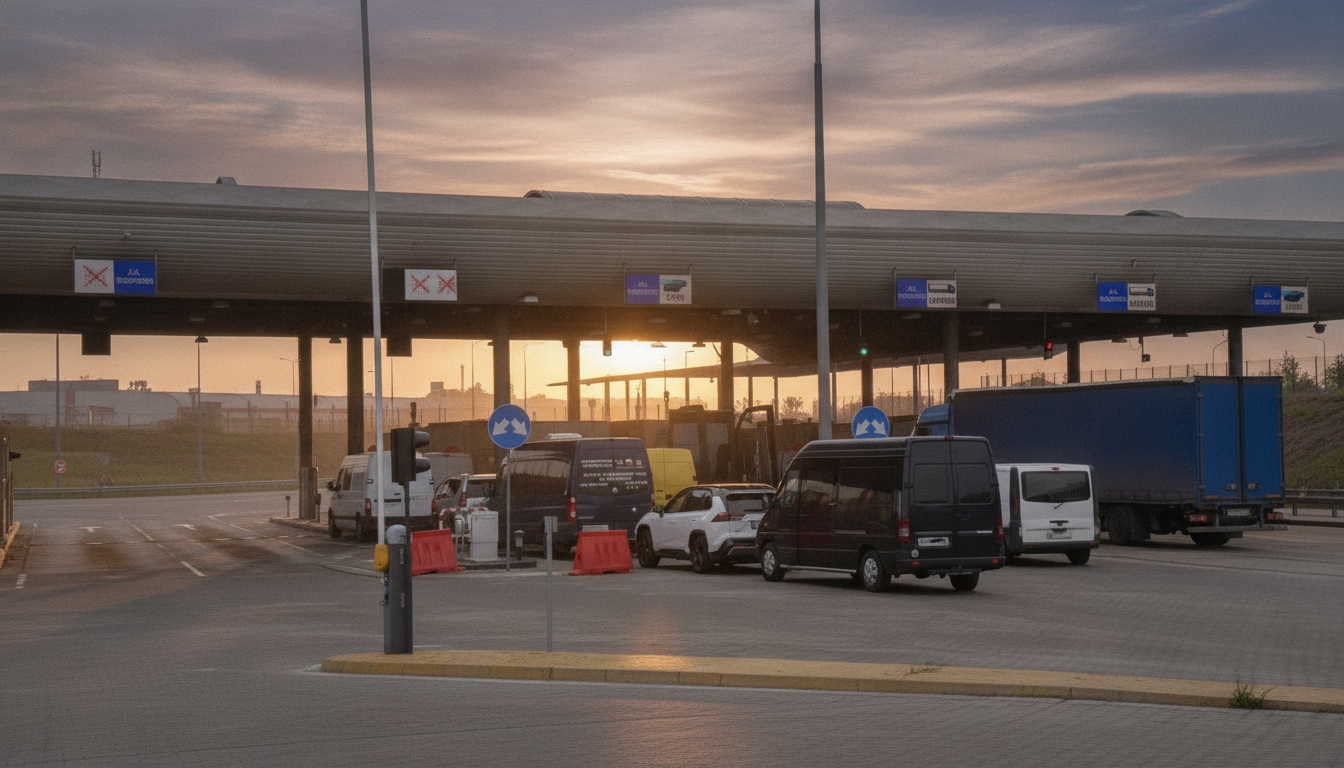
Finland to Ban Entry with Non-Biometric Russian Passports: Effective Date and Exemptions.

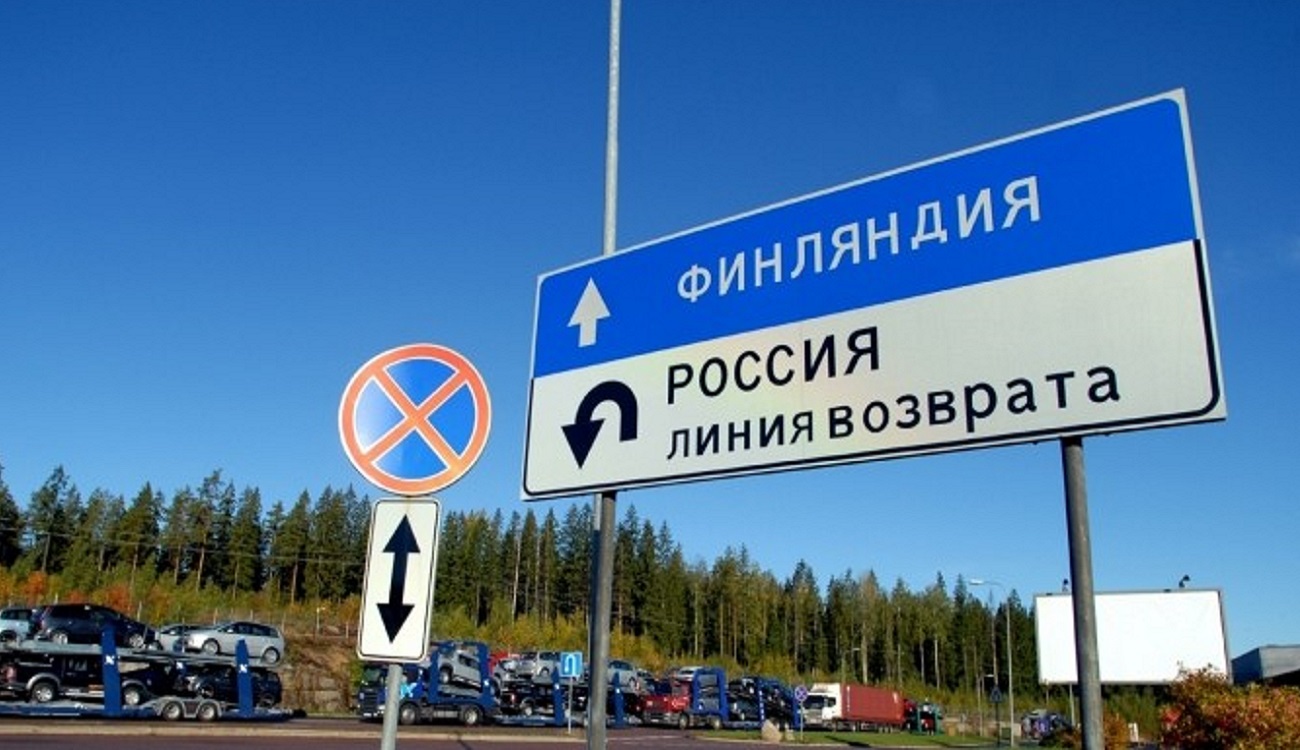
New Entry Regulation for Finland
According to UATV: Finland will no longer accept non-biometric Russian passports for entry into the country, effective June 1, 2026. This policy applies to all individuals seeking to cross the border, with specific exemptions. The move aligns Finland with broader EU efforts to modernize border security and document standards. Notably, passports without biometric chips will still be accepted for travelers under the age of 18, indicating a limited exception within the new framework.
Transition Period and Limitations
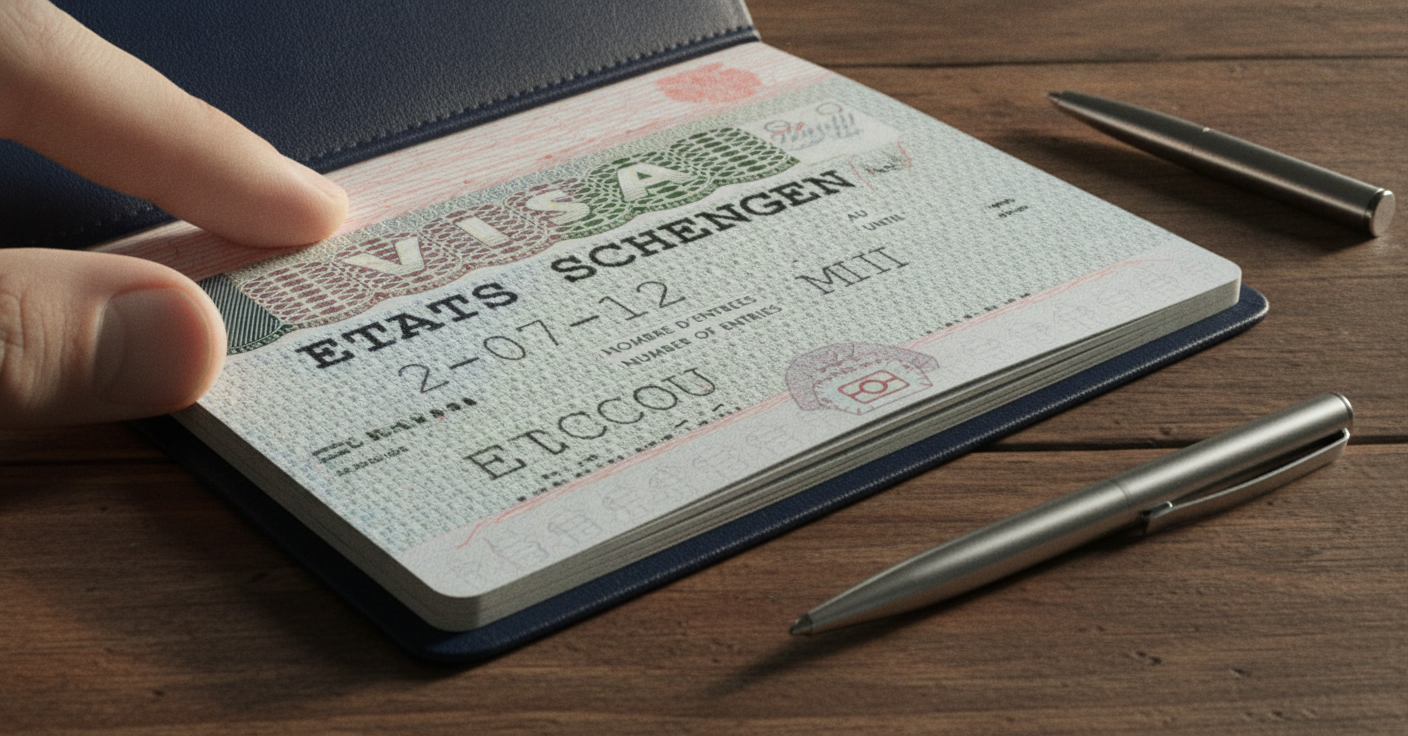
Non-biometric documents issued before June 1, 2026, will remain valid for individuals holding a Finnish residence permit. Furthermore, during a transitional phase from June 1 to December 31, 2026, the government will also accept non-biometric passports if they contain a valid visa. This means that those already in possession of a visa will be permitted to enter Finland with their existing travel documents.
It is important to note that the Finnish government had already restricted entry for Russian citizens in 2022 and 2023. This latest measure represents a continuation of policies aimed at controlling the entry of foreigners, particularly Russian nationals, into the country. Finland is thus further adapting its immigration rules in response to ongoing geopolitical challenges.
Finland's decision is part of a wider strategy among European Union nations seeking to tighten controls on the entry of Russian citizens amid heightened international tensions.
The changes to entry rules may impact the number of Russian tourists and businesspeople planning to visit Finland, as well as broader cross-border interaction. Observing the subsequent steps taken by Finland and other European countries in this area will be crucial, as these measures could have significant implications for regional security and diplomatic relations.
Read also
- Slovakia Halts Schengen Tourist Visas for Russians: Who Can Still Enter?
- Long Lines at Ukraine’s Border on July 6: Hundreds of Cars and Pedestrians Queue to Enter the EU
- July 5 Border Chaos: 15 Checkpoints Blocked Across Four Countries
- New Entry Rules for Moldova: What Drivers in the Odesa Region Need to Know
- 2026 ETIAS Launch by EU: Which Ukrainians Are Exempt from the Permit Requirement
- Massive Traffic Jams at Three Ukrainian Borders: Which Checkpoints Are Blocked