Finland's Democratic Crisis: The Lapua Movement's 1930s Bid for Power.

Political Turmoil in 1930s Finland
According to Vox - Загальний: Following its establishment as a modern republic in 1919, Finland faced a turbulent decade of political strife in the 1930s, largely driven by the far-right Lapua Movement. Active throughout the 1920s and 1930s, this movement sought to suppress communist political participation in the nation. A stark demonstration of its strength occurred in 1930, when approximately 12,000 of its members marched on the capital, Helsinki.
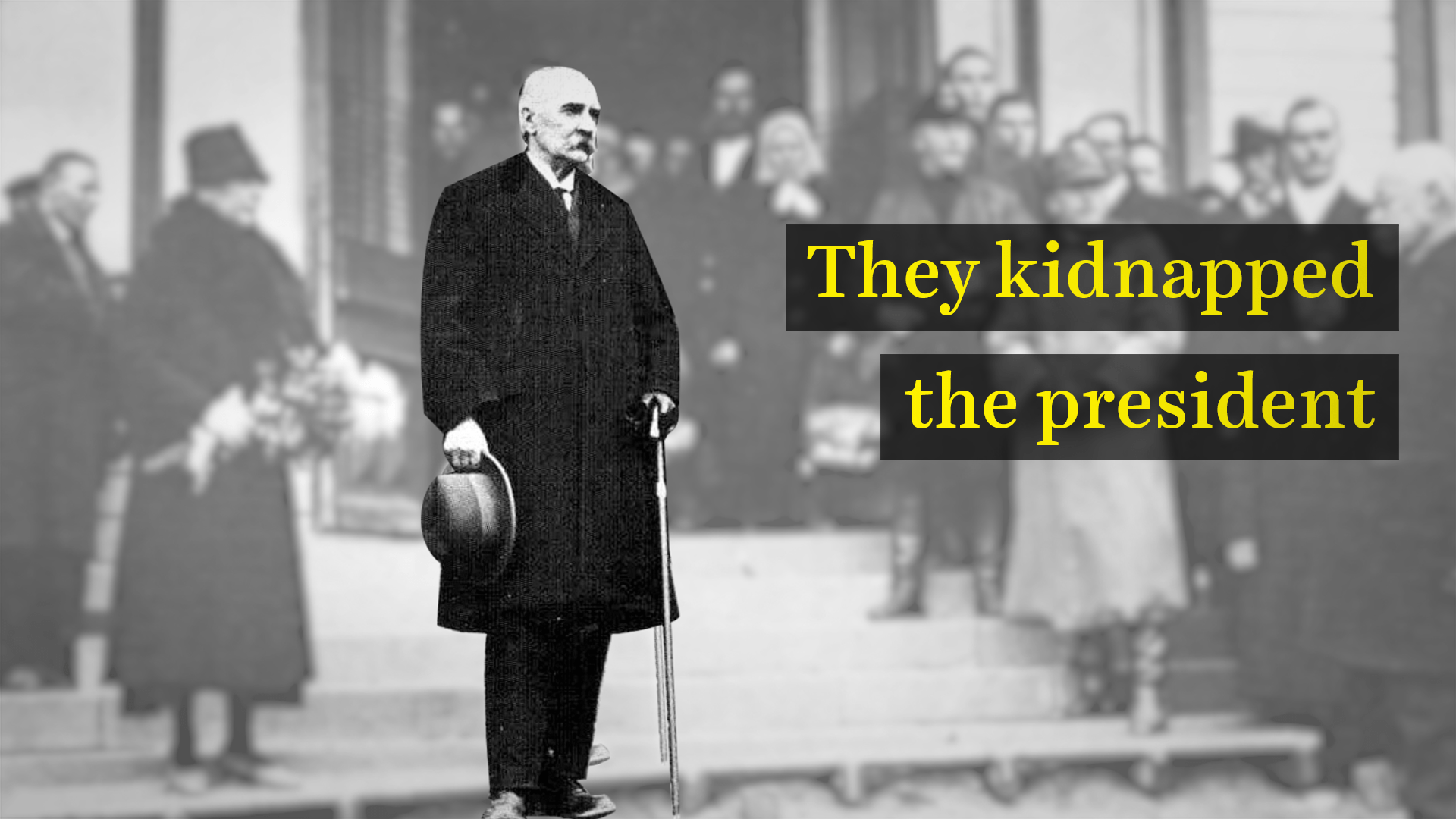
The radicalization of the Lapua Movement was further evidenced in 1930 by the kidnapping of former Finnish President Kaarlo Juho Ståhlberg, an act that provoked widespread public outrage. In 1932, the group attempted an armed insurrection, launching an attack on the capital from the town of Mäntsälä, highlighting the seriousness of its intentions. This period of instability is a lesser-known chapter of Finnish history, occurring between the nation's independence and its later wartime struggles. In response to this rising extremism, a stable left-center coalition government was formed in 1937, marking a political counterweight.
The President of Finland remarked: 'Throughout my long life, I have fought for the observance of law and justice.'
Commenting on the Lapua Movement's activities, Oula Silvennoinen observed: 'They went against the sense of decency held by the majority of their own supporters,' a statement that underscores the internal societal divisions and disapproval of radical tactics.
The Lapua Movement's Impact on Democratic Processes
Consequently, Finland's history in the 1930s was defined by political conflicts that profoundly impacted the country's democratic development. The actions of the Lapua Movement and society's reaction to them illustrate the complex struggle for political rights and freedoms during this critical era. This period proved decisive in shaping Finland's political landscape, fostering the evolution of democratic institutions that would underpin the nation's stability in the decades to come.
Read also
- Poroshenko Calls on Parliament While Delivering $28 Million in Drones and Gear to Ukraine’s Military
- Ukraine Refrains from Striking the Crimea Bridge, Security Forces Commander Explains Why
- New Moldovan Government Takes Office: Who Holds Key Cabinet Positions
- Ukraine Calls Emergency UN Security Council Session Over Russian Strikes on Civilian Ships in the Black Sea
- Kremlin propaganda pushes false claims of US-Russia talks that exclude Ukraine
- Fedorov Dismissed as Defense Minister: Tensions with Syrskyi Behind the Decision