Experts Reveal the Secret to Saving on Utilities: How to Lower Bills.

According to The Sun: Many households will face rising energy costs due to new electricity tariffs from Ofgem that came into effect on October 1.
As winter approaches, people are starting to look for ways to reduce their energy expenses.
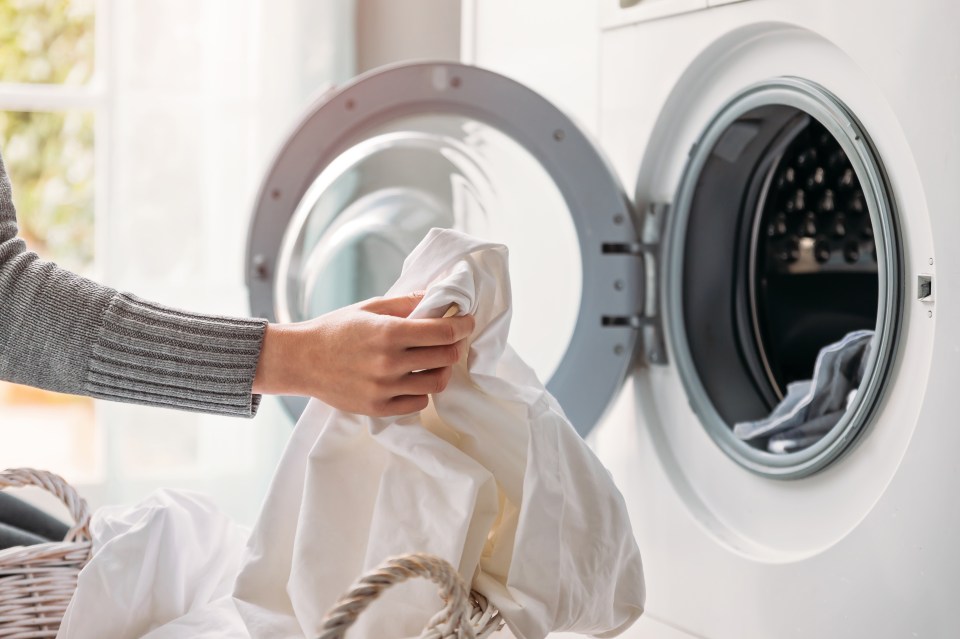
GettyUsing eco mode while washing can significantly lower your energy costs this winter.Experts speaking to The Sun shared tips on optimizing the use of household appliances, which can greatly help in saving money.
Use Eco Modes
Fast washing cycles typically consume more energy, making them more expensive.
Many modern washing machines have an eco mode that uses less water and operates at a lower temperature.
This can significantly reduce washing costs.
Ben Galizzi, energy expert at Uswitch.com, noted: “Washing machines are often used incorrectly. Two-thirds of households (67%) opt for the fastest cycle regardless of energy costs, and three-fifths (62%) admit they never use eco mode – these habits can add £20 a year to their energy bill.”
The same goes for dishwashers. Using this appliance without eco mode costs you an extra £19 per year.
By using eco modes on both devices, you can save up to £39 a year.
id='6369319008112' data-video-id='6369319008112' data-account='5067014667001' data-player='default' data-usage='cms:WordPress:6.5.7:2.8.6:javascript' data-embed='default' class='video-js' data-application-id='' controls style='width: 100%; height: 100%; position: absolute; top: 0; bottom: 0; right: 0; left: 0;'>Correct Temperature for Your Fridge
Setting the optimal temperature in your fridge can reduce energy expenses.
Gareth Cloete, energy speaker at Go.Compare, says: “Fridges run continuously and account for 13% of annual energy costs in households, so it's important that they operate as efficiently as possible.”
“The Federal Food Agency recommends keeping your fridge at +5°C and your freezer at -18°C, which can usually be set with the built-in thermostat.”
According to Mr. Cloete, setting a lower temperature than recommended can lead to additional energy costs.
Lower the Thermostat Temperature
The thermostat temperature is also an important factor when heating your home.
Kara Gammell, energy expert at MoneySuperMarket, notes: “Lowering the thermostat by just one degree can save up to £145 a year according to the Energy Savings Trust, and you probably won’t notice the difference.”
The Energy Saving Trust recommends setting the thermostat at the lowest comfortable temperature for your wellbeing.
For most people, this temperature ranges from 18 to 21 degrees.
Using a Towel in the Dryer
Experts assure that adding a dry towel to the dryer can reduce drying time, hence reducing energy costs.
Ms. Gammell adds: “Dryers are convenient, but their use is costly. By placing a dry towel along with wet clothes, you can reduce drying time by half an hour, helping save on energy bills.”
There are also several other ways to reduce the costs of using appliances, such as lowering radiator temperatures and purchasing energy-efficient appliances when upgrading equipment.
Common Myths about Energy Consumption
Gwilim Snook, a technology expert at AO.com, debunked some common myths about appliances and energy consumption.
MYTH – Your fridge is cheaper to run when empty.
Many believe that an empty fridge is energy-efficient. However, this is not true – it operates most efficiently when all shelves are filled.
MYTH – Washing at high temperatures is more effective.
Many households in the UK do not believe that washing at 30°C is sufficient. However, in reality, 30°C is more than enough for most of your clothing and can significantly reduce energy costs by up to 50% compared to washing at 40°C.
MYTH – Dryers are not environmentally friendly.
Old models indeed consumed a lot of energy, but new dryers with heat pumps use heat to dry clothes at a much lower cost.
Did you know that running such a machine costs around 63 pence per cycle? That’s not much, and even further cost reductions are possible by drying clothes between 10:00 and 20:00 during peak hours.
MYTH – Boiling water in the kettle is always energy-efficient.
While kettles are energy-efficient devices, you may accidentally waste energy by filling it to the top every time you make tea. Only boil the amount of water you need. This can significantly save you money in the long run!
MYTH – Energy-efficient appliances don’t matter.
Some people believe that the energy efficiency rating A-G does not impact overall energy consumption. This is not true. Energy-efficient appliances with high A ratings can significantly lower energy bills compared to older, less efficient models.
For example, replacing an old fridge with a new energy-efficient one can save up to £100 a year on electricity bills, ultimately helping to recoup costs!
In the face of rising energy prices, it is important to use electrical appliances consciously. Following simple tips like using eco modes or adjusting temperatures can help not only save money but also actively contribute to conserving resources. Considering the likelihood of further tariff increases, such measures can significantly ease the burden on your budget.Read also
- New U.S. Tariffs Hit 60 Nations: Here Are the Rates for the EU and Russia
- Russia’s Oil and Gas Revenue Set to Surge by 60%—Here’s What’s Driving the Jump
- IMF Disburses $690 Million Second Tranche to Ukraine: Where the Funds Are Going
- Russia’s Budget Deficit Could Hit 7 Trillion Rubles—What Are the Default Risks?
- Expert Sets Critical Threshold: 60% of Russia's Oil Refining Capacity Must Be Destroyed
- Russia Faces Imminent Fuel Crisis: Why Refinery Recovery Is Nearly Impossible, Expert Warns