Veterinarian reveals the risks of free flight for parrots: what you need to know.


According to The Sun: He has a mission to help our pets... and is ready to answer your questions.
Sean, the chief veterinarian of the pet food company tails.com, has been helping pet owners find answers to their questions for ten years.
Sean McCormack, chief veterinarian at tails.com, promises that he can "help keep our pets happy and healthy" GettyQuestions about free flight for parrots
Q) My parrot Monty has a real personality, he's four years old, and he's very devoted.
I often think about the benefits of free flight, but I'm afraid of losing him. What do you think?
SEMI TAYLOR, Birmingham
Sean says: It's a complex question. Many parrots live in cages and have to adapt, but the trend of free flight can be really risky.
Those who have trained their birds to fly free often have a lot of experience – usually, they are animal behavior specialists or experienced owners. You really need to understand your bird well before taking this step; and even then, there are risks.
A safer option is a large indoor aviary where your parrot can fly safely.
Many parrots are very social and need the company of their kind, which is a serious concern for their welfare in captivity.
Questions about cat smiles
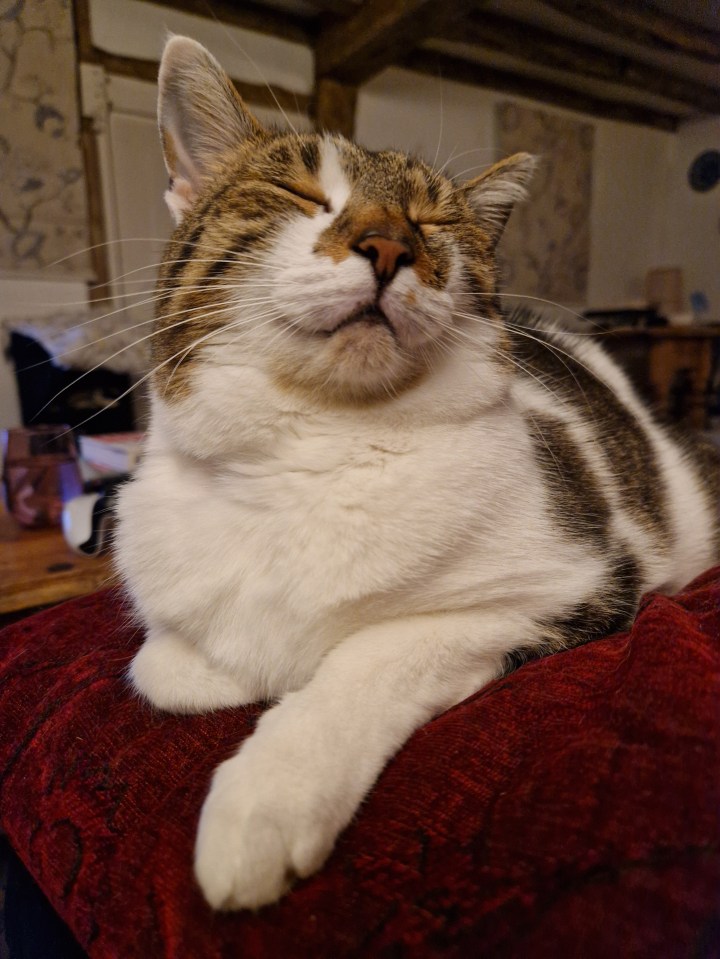
Q) Can cats smile? When I photograph my Bengal cat Kylo, he always looks like he's smiling.
Maybe he's just posing?
BECKY HARRIS, Sudbury, Suffolk
Sean says: I don't think cats smile the way we do. Research has shown that we interpret their "smiles" unconsciously, as it’s pleasant for us.
What we perceive as a smile may be a behavior that our pets have developed during communication with people.
So, some cats and dogs can create their own "smiles" to get what they want. And still, from a veterinary perspective, if you think Kylo is smiling – he's smiling!
Questions about yeast infections in dogs
Q) My terrier Tilly had an expensive injection to treat a yeast infection about a year ago.
She was itching, but the situation improved. How can I prevent it from happening again?
Tilly is on a hypoallergenic, grain-free diet with salmon and is bathed once a week with a special shampoo.
Her skin gets really greasy when the infection returns. What are the recommendations?
SHEILA KEMBRAY, Paignton, Devon
Sean says: It seems you're trying to identify the causes for the increase in yeast and dermatitis.
Food allergies can be one of the reasons, as can hot weather or oily skin.
However, genetic factors and environmental allergies can be much more complex. For example, Kerry and West Highland Terriers often suffer from atopic dermatitis.
Blood tests can help determine what Tilly is allergic to, and that will open avenues for further treatment.
Talk to your vet about all possible options to find a long-term solution rather than just reacting to the symptoms.
Questions about supplements for cats
Q) Do pets need nutritional supplements like we take vitamins?
My cat Molly is already 12, and I'm wondering if it would be beneficial for her?
SHEILA GRAY, Leicestershire
Sean says: Scientific research has been focused for many years on developing a balanced and complete diet for pets.
If you choose a quality food developed by professional animal nutritionists, you don't necessarily need to add vitamins unless Molly needs extra support for specific issues like joint or skin health.
STAR OF THE WEEK
 Supplied
KITUNYA, a cat, inspired her owner Joanna Shimanska to open a cat clinic – now Joanna has been named Vet of the Year by Cats Protection.
The 11-year-old rescue cat was the impetus for the creation of the Graylands Cat Clinic in Horsham, West Sussex, in October 2023. The work of the veterinarian and her team was recognized at this year’s National Cat Awards.
Joanna said: “Kitunya was born on the streets and is a very resilient cat. The values of Cats Protection focus on welfare, which is also our core value at Graylands Cat Clinic.
“Cats often experience stress at the vets, so creating a calm space makes visits much easier for them.”
Check out all the winners at cats.org.uk.
FATTY 'INJECTIONS' FOR LARGE DOGS ON THE WAY
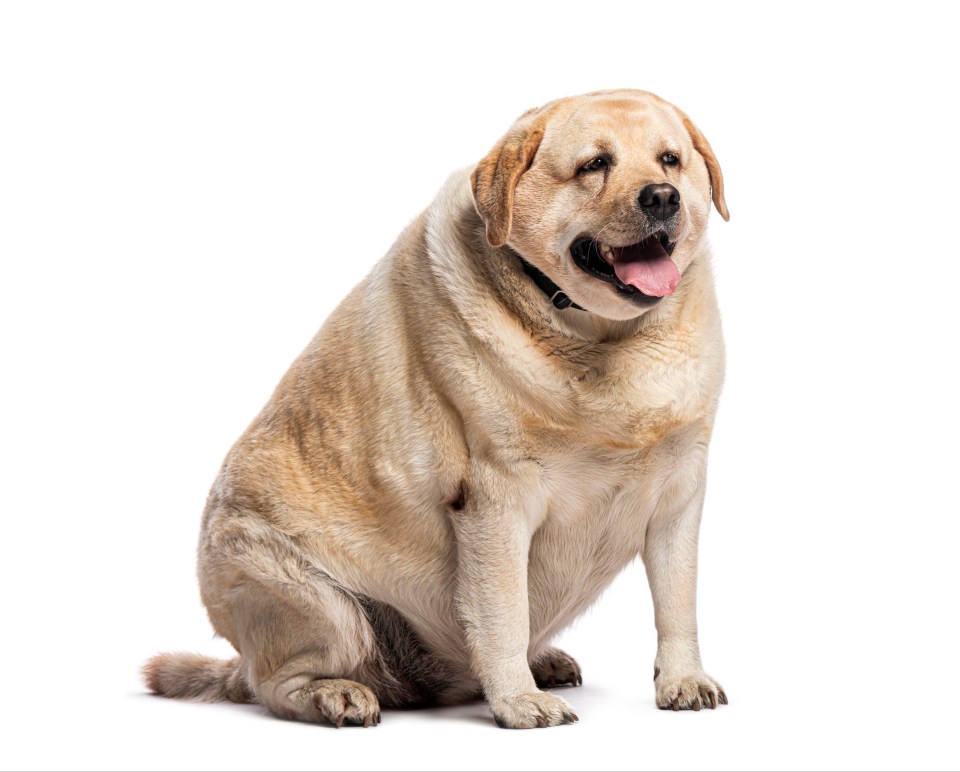 A biotech company has started trials on an implant for pets that mimics fat injections, with plans to release it in 2028Getty
Four out of ten dog owners would consider "fat injections" for their pets if recommended by their vet, according to the results of a new survey.
This survey comes amid growing concerns about obesity in pets: about 60 percent of dogs are already overweight or suffering from obesity.
Fat injections for pets are currently unavailable, but one biotech company has announced trials on an implant that mimics a similar effect to fat injections, aiming to bring it to market in 2028.
Lauren Chong, veterinarian and animal insurance expert at moneysupermarket.com, which conducted the survey, said: “Just like in humans, weight loss medications shouldn't be the first option.
“The focus should be on regular exercise and portion control, which will definitely benefit your pet’s health.”
Obesity increases the risk of developing health issues such as urinary problems and cancer.
Animal insurance expert Alicia Hempstead added: “Insurance that covers pre-existing conditions like obesity is more expensive because there's a higher risk that your dog might face weight-related health issues, like arthritis.
“Prevention is always better than treatment.”
See more at moneysupermarket.com/pet-insurance.
Read also
- Global Fuel Markets Shaken as Ukrainian Drones Undermine Russian Control
- Russian Business Owners Are Moving Billions Abroad Amid Fears of Asset Seizure and Forced War Funding
- Former Minister Sobolev Takes on New Role in the President’s Office: What He Will Be Working On
- India Becomes Fuel Supplier to Russia as Diesel Shortage Bites
- Currency Panic Grips Ukraine: Expert Reveals Why People Are Losing Faith in the Hryvnia
- Major Salary Hikes Planned for Ukrainian Rescuers: Here’s What They Could Earn