Baptismal Kutia January 5: Symbolism and Recipe of the Hunger Dish.

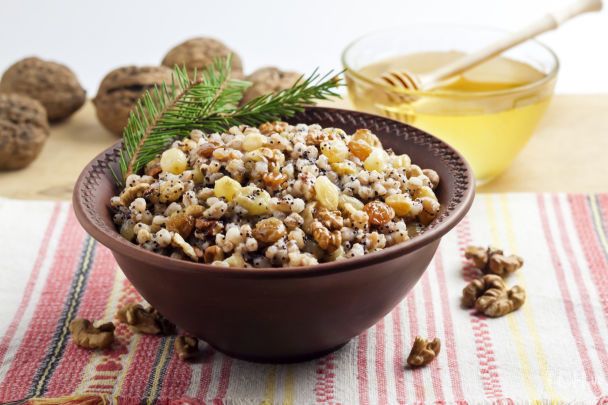
According to ТСН: Kutia for Ukrainians is not just food, but a symbolic ritual dish associated with important winter holidays. It is prepared three times: on Christmas Eve (December 24), on New Year's Eve (December 31), and on Epiphany Eve (January 5).
The peculiarity of kutia on Epiphany lies in its symbolism and the cooking process. Baptismal kutia reflects the completion of the Christmas-New Year cycle, gratitude, and purification. This dish is also called hungry kutia, the third kutia, or Epiphany kutia.
Symbolism of Baptismal Kutia
In folk traditions, this kutia symbolizes purification and farewell to the holidays, gratitude for the past year, and spiritual renewal. After this Holy Supper, a person transitions into a new period—after the consecrated water, the strict fast ends.
Hungry kutia is more moderate than the generous one, which is considered the most filling and vibrant, and simpler compared to Christmas Eve kutia, which is the strictest and most significant.
Baptismal kutia is lean, but at the same time very modest. It is prepared without milk, cream, butter, and excess sweets. For example, in Polissia it was almost unsweetened, in Podillia sometimes a little honey was added, and in Halychyna honey could be diluted with consecrated water.
Classic Recipe for Hungry Kutia
Ingredients:
1 cup of wheat
3–4 cups of water
½ cup of poppy seeds
2–3 tablespoons of honey
a pinch of salt (to taste)
Preparation
Wash the wheat and soak it overnight. Before cooking, drain and cover with fresh water and simmer on low heat for 1–1.5 hours.
Prepare the poppy seeds by pouring boiling water over them for 15 minutes. Drain the water and grind them into a white 'milk'.
Mix the ingredients. In warm wheat, add the ground poppy seeds, honey, and a little water for juiciness.
There are traditions related to the third kutia in folk customs. After dinner, they usually did not eat — they waited for the consecrated water. They also left the dish on the table 'for the souls of ancestors', and part could be scattered for birds, 'to bring spring'.
Baptismal kutia not only nourishes but also carries a deep symbolic meaning. It has completed the cycle of winter holidays and has become an important ritual connecting our ancestors and contemporaries. Its preparation can serve as a wonderful reminder of Ukrainian traditions and family values that are preserved from generation to generation.
Read also
- Ukrainian Star Pavlo Zibrov Celebrates First Strawberry Harvest from His Kyiv-Area Garden
- Beat the Heat on the Subway: A Train Operator Reveals the Coolest Spot in the Car
- Summer’s Hottest Micro-Trends: Balloon Skirts, Capri Pants, and Fringe Make a Comeback
- Tarot Warns of Challenges Until June 15: Which Zodiac Signs Are Most at Risk
- The Cloud Cut: Summer 2026’s Most Versatile Hair Trend That Suits Almost Everyone
- Evergreen Charm All Year Round: Why Golden Euonymus Fortunei Shines in Any Garden