Kyiv's Hungarian Community Leader Denounces Oppression Claims: 'Anita Orbán Is Lying'.

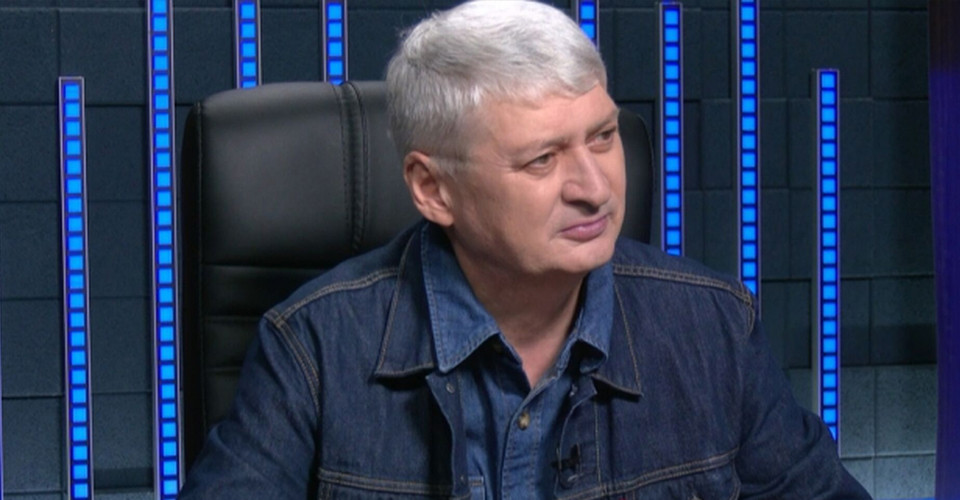
Tibor Tompa Weighs In on Hungarian Minority Rights in Ukraine
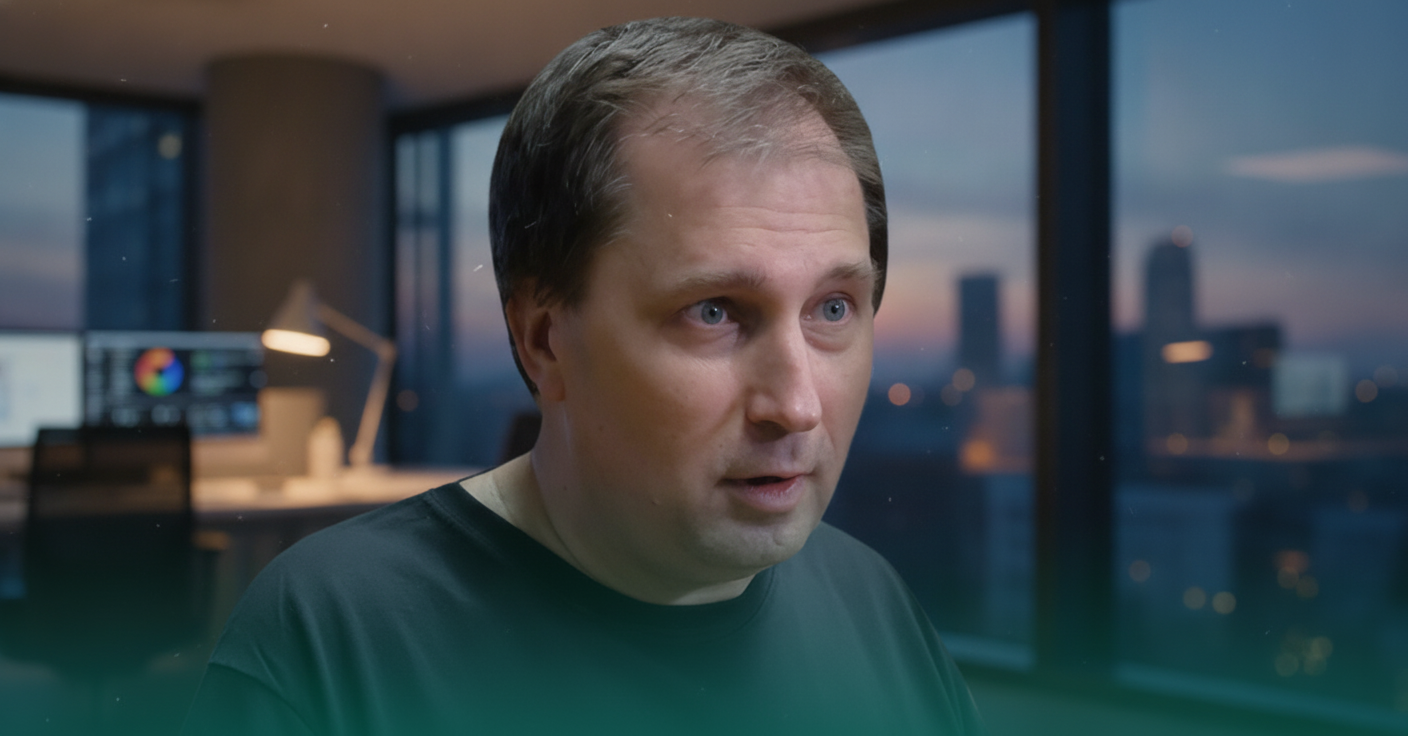
According to Espreso.tv: The head of Kyiv's Hungarian community, Tibor Tompa, has pushed back against allegations of discrimination, asserting that there is no oppression of Hungarians in Ukraine despite recent statements from Hungarian politicians. He specifically addressed remarks made by Hungarian Foreign Minister Anita Orbán, who raised concerns about minority rights in February and March of this year. According to Tompa,
“there is no oppression of Hungarians or the Hungarian community in Ukraine”— a direct refutation of claims that have circulated.
Tompa emphasized that the narrative being spread does not match reality. He described the situation for Ukraine's Hungarian minority as stable, with community members not experiencing any mistreatment. He also pointed out that the head of the Transcarpathian Hungarian Society has not visited Ukraine in roughly five years, suggesting that information coming from Hungary may be inaccurate or outdated.
Hungarian Demands and the Path Forward for Dialogue
Hungarian Prime Minister Péter Magyar has expressed willingness to meet with Ukrainian President Volodymyr Zelenskyy, but only if certain conditions regarding the Hungarian minority are met. These demands remain under negotiation and could serve as a foundation for further talks between the two nations. In this context, Tompa did not mince words, stating that
“Anita Orbán is either lying or is misinformed”, highlighting the disconnect between her statements and the actual conditions on the ground.
As a result, the issue of Hungarian minority rights in Ukraine continues to be a contentious topic that requires ongoing discussion and dialogue between Ukrainian and Hungarian authorities. With the shifting political landscape and bilateral relations, it is crucial for both sides to find common ground to address pressing concerns related to national minority protections.
Read also
- Ukraine Refrains from Striking the Crimea Bridge, Security Forces Commander Explains Why
- New Moldovan Government Takes Office: Who Holds Key Cabinet Positions
- Ukraine Calls Emergency UN Security Council Session Over Russian Strikes on Civilian Ships in the Black Sea
- Kremlin propaganda pushes false claims of US-Russia talks that exclude Ukraine
- Fedorov Dismissed as Defense Minister: Tensions with Syrskyi Behind the Decision
- Zelenskyy Meets with Trump’s Envoys: Key Outcomes from the Talks