Threatened Status: UNESCO Adds Ancient Chersonesus to Endangered Heritage List.

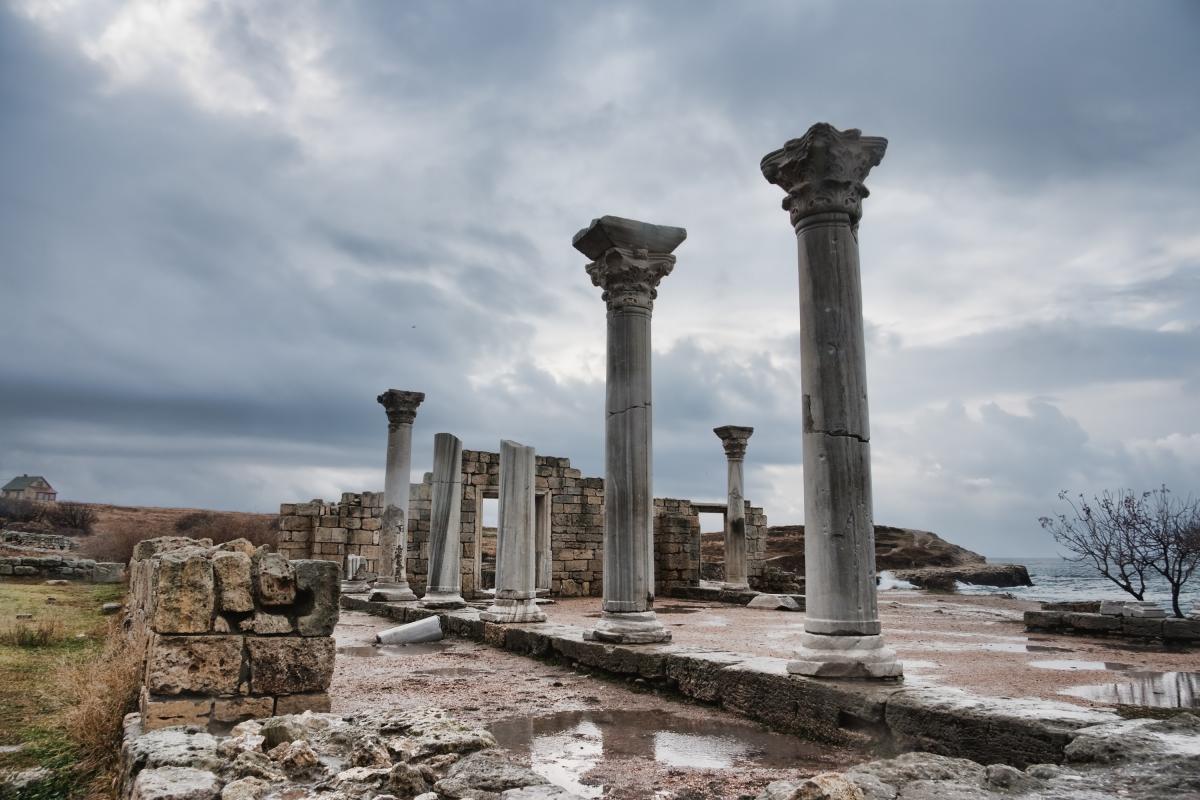
Why Chersonesus Is Now Considered at Risk
According to Tourism.d.ua — Туризм: The ancient site of Chersonesus Taurica has been placed on UNESCO’s List of World Heritage in Danger. This designation formally recognizes the dangers posed by Russia’s ongoing occupation of Crimea, along with other factors that could harm the preservation of this cultural landmark. Ukrainian Deputy Prime Minister for Humanitarian Policy, Tetiana Berezhna, called the decision
“an extremely important international ruling that officially confirms the threats to the site stemming from Russia’s temporary occupation of Crimea.”
Key Threats and Calls for Action
Several major risks currently endanger Chersonesus Taurica, including:
- illegal archaeological excavations
- theft of artifacts
- unauthorized construction
These activities could severely damage not only the site’s intrinsic value but also its broader cultural and historical significance.
In light of these threats, Berezhna has urged all parties to refrain from actions that could harm Chersonesus. Meanwhile, Ukraine continues its efforts to protect cultural heritage, including sites already on the country’s Tentative List. Among them are:
- the Khan’s Palace
- the cultural landscape of cave towns in Crimean Gothia
- the Crimean Astrophysical Observatory
- the Sudak Fortress complex
It is worth noting that on June 15, Russia also struck the Dormition Cathedral of the Kyiv Pechersk Lavra, causing a fire and significant damage. That incident underscores the urgent need for international support in safeguarding cultural heritage, especially amid aggression and occupation.
The inclusion of Chersonesus Taurica on UNESCO’s endangered list marks a pivotal step in gaining global recognition for the challenges facing Ukraine’s cultural heritage under occupation. This decision may help galvanize international attention on the situation in Crimea and bolster protection for other important cultural sites. Preserving cultural monuments—particularly during armed conflict—requires coordinated action at both the national and international levels.
Read also
- Europe's Cheapest Holiday Destination: Algarve Tops the Rankings
- Push to Ban Phone Calls on US Flights: Which Airlines Have Already Banned the Service
- Emirates Surprises Economy Passengers: New U-Dream Headrests Now Onboard
- Oxygen Tank Saves Renowned Traveler from Near-Fatal Altitude Sickness in Peru
- A Greek Island That Offers a Cool Escape: Where Summer Temperatures Stay Below 40°C
- Why Austria’s Decision to Turn Hitler’s Birthplace into a Police Station Matters