UK tax office begins to claw back debts from bank accounts: who is at risk.

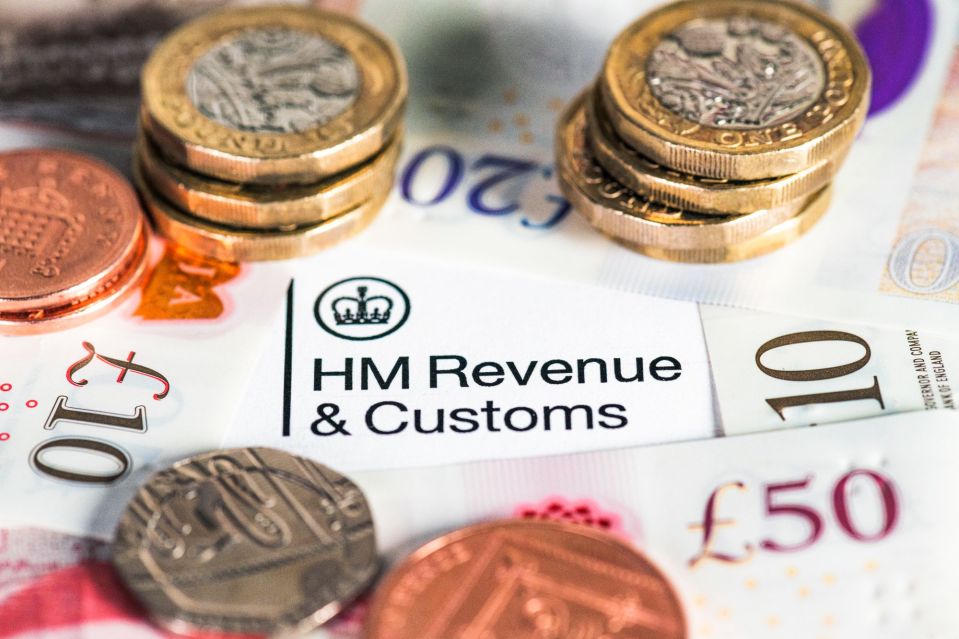
According to The Sun: The UK's HMRC has begun to directly recover debts from citizens' bank accounts to settle tax arrears.
The Direct Recovery of Debts (DRD) procedure allows tax authorities to seize money from accounts of individuals who have the ability to pay their debts but choose not to.
HMRC will now be able to directly recover funds from people's bank accountsThis policy was suspended during the pandemic, but HMRC has announced its revival as part of 'testing and learning.'
The government has already indicated plans to reinstate DRD for those who refuse to pay their debts.
Under this policy, HMRC has the right to demand that banks transfer funds from the accounts of debtors or from cash ISAs if the debt exceeds £1,000.
At the same time, debtors must leave at least £5,000 in their accounts to ensure that they can cover essential costs such as mortgage and utility bills.
Additionally, recovery is only applied to those who have verified debts, passed the appeal deadlines and have not responded to communications from HMRC.
Anyone wishing to contest the debt amount has the right to appeal, as noted on the tax authority's website.
HMRC stated on its website: 'The vast majority of taxpayers pay their taxes in full and on time, but a minority choose not to pay despite having the ability to do so.'
Dawn Register, a partner in tax disputes at BDO, remarked: 'Given the pressure on public finances, it is clear that HMRC is resolute towards those who can pay but do not.'
'HMRC needs to find the right balance between supporting businesses and individuals who genuinely face financial difficulties while taking action against those who can pay but choose not to.'
An HMRC spokesperson said: 'Most people pay tax on time and in full – but it’s right that we seek to recover tax from the tiny minority who have the funds to pay, but refuse to.'
The revival of this policy comes at a time when the government is trying to collect debts from taxpayers.
Chancellor Rachel Reeves is concerned about the financial situation in the country as it needs to cover a deficit of £50 billion.
From April next year, the government will provide new powers to banks to detect fraud in social payments, and convicted fraudsters could lose their driving rights.
The Department of Social Security stated that this will be 'the biggest crackdown on fraud in a generation' and estimates that the new powers could save taxpayers £1.5 billion over five years.
State banks plan to assist in identifying clients who may violate access rules for benefits, such as exceeding the savings limit of £16,000 for Universal Credit.
Banks will share limited information with the DWP, but transaction details will not be provided, so officials will not know how benefit applicants spend their money.
Meanwhile, last month, HMRC acknowledged that it is using artificial intelligence to monitor social media of employees in search of evidence of tax evasion.
An HMRC representative assured that these tools are only used for monitoring in the context of criminal investigations and will not impact ordinary taxpayers.
How to Reduce Your Debt Costs
If you have substantial debts, it can be very distressing. Here are a few tips from Citizens Advice on how to proceed.
Regularly check your bank balance – knowing your expenses is the first step to managing your finances.
Create a budget – record your income and deduct essential bills like food and transport. If you have funds left over, plan ahead on what else you will spend or save them for. If not, consider ways to cut expenses.
Pay more than the minimum – If you have credit card debts, try to pay more than the minimum amount each month to reduce your balance faster.
Prioritize paying off the most expensive credit cards – if you have more than one credit card and cannot pay them all off in full each month, prioritize the one with the highest interest rate.
Prioritize your debts – if you have multiple debts and cannot pay them, it's crucial to set priorities.
Your rent, mortgage, taxes, and utility bills should be paid first as the consequences of non-payment can be more severe.
Seek advice – if you cannot pay your debts month after month, it is important to seek advice as early as possible before they increase further.
Groups like Citizens Advice and National Debtline can help you set priorities and negotiate more acceptable repayment plans with your creditors.
Do you have a financial issue that needs addressing? Write to us at [email protected].
Additionally, you can join our Facebook group Sun Money Chats and Tips to share your advice and stories.
The revival of HMRC's debt recovery policy is prompted by the rising debts among the population and the need to fill the public budget. In this context, it is essential to understand that the government sets priorities to ensure financial stability, yet the balance between supporting debtors and collecting arrears is a complex task.
The increase in fraud detection measures and new initiatives aims at improving financial oversight, but these changes may also impact taxpayers and socially vulnerable groups. The situation requires careful monitoring and assessment of its implications for the economy as a whole.
Read also
- Global Fuel Markets Shaken as Ukrainian Drones Undermine Russian Control
- Russian Business Owners Are Moving Billions Abroad Amid Fears of Asset Seizure and Forced War Funding
- Former Minister Sobolev Takes on New Role in the President’s Office: What He Will Be Working On
- India Becomes Fuel Supplier to Russia as Diesel Shortage Bites
- Currency Panic Grips Ukraine: Expert Reveals Why People Are Losing Faith in the Hryvnia
- Major Salary Hikes Planned for Ukrainian Rescuers: Here’s What They Could Earn