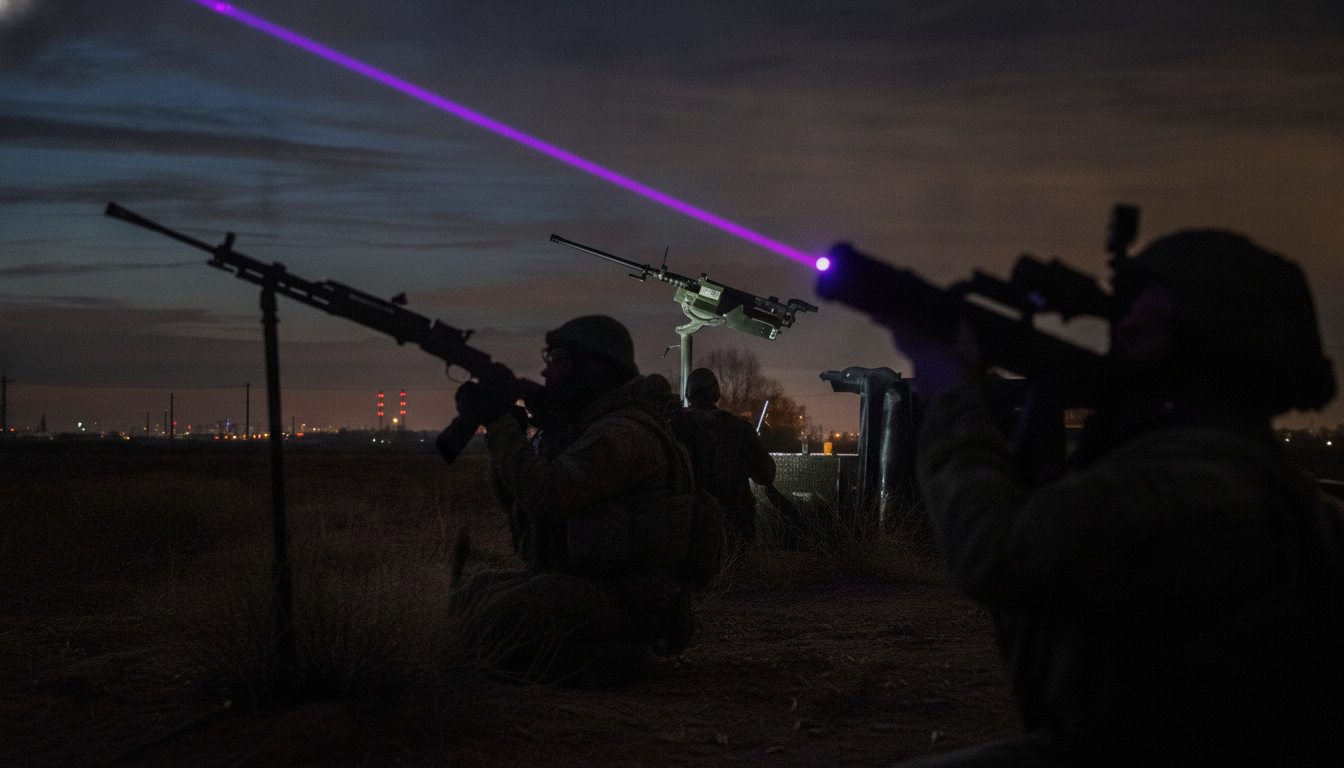
Ukrainian Drones Turned the Black Sea into a Graveyard for the Russian Fleet: How It Is Achieved.

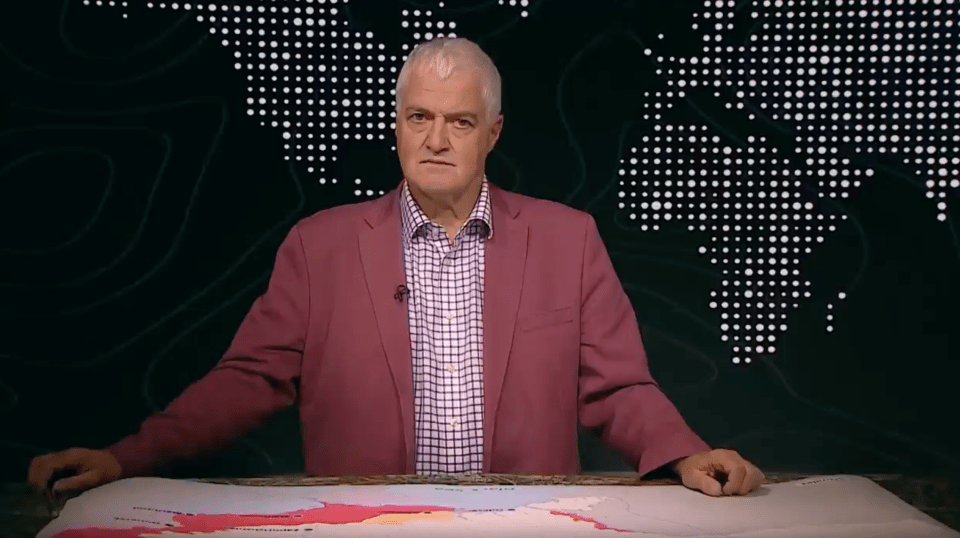
Ukraine Turned the Black Sea into a Brothers' Grave for the Russian Fleet
According to The Sun: Ukraine has transformed the Black Sea into a place of demise for the Russian fleet, using drones, missiles, and special units instead of large combat ships.
In a recent episode of the program 'Exposing Combat Plans', former intelligence officer Philip Ingram demonstrated how technologically grounded Ukrainian attacks force Russia to vacate its once-safe ports.
Ingram claims that the sinking of 'Moskva' proved the vulnerability of the Russian fleet and was a humiliating blow. Ukrainian military intelligence GUR used a drone to attack a Russian Buyan-M class ship equipped with Kalibr missiles.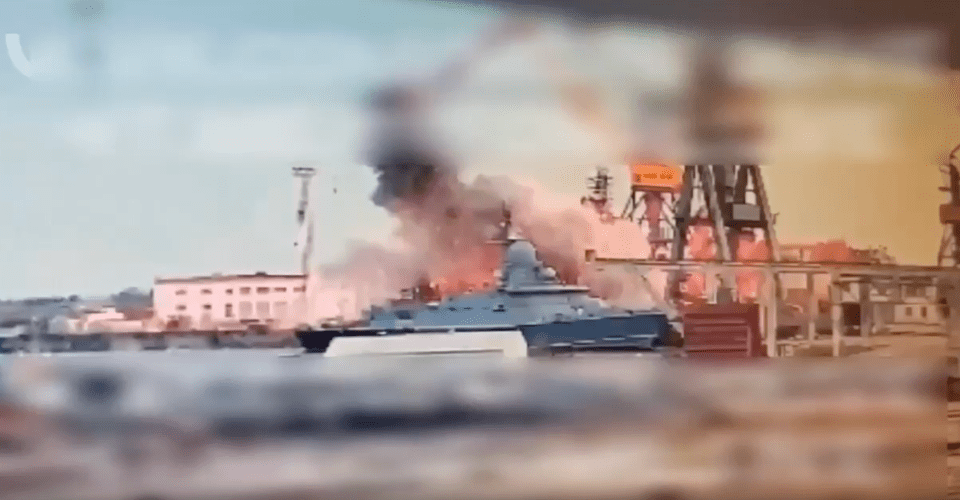 A map highlighting the territories occupied by Russia in red, and Crimea in purple; key ports from Odessa to Sevastopol are now the epicenter of naval warfare.
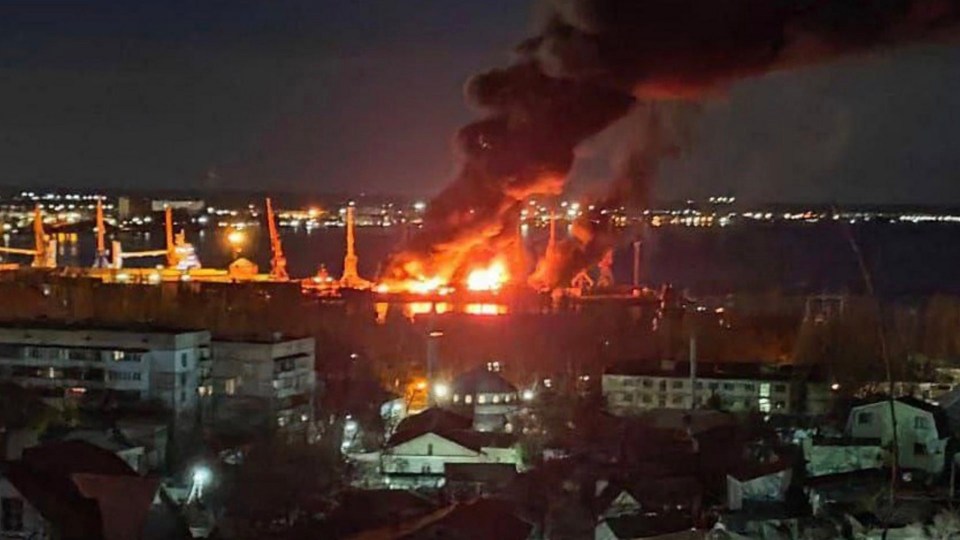 Russia confirmed damage to its combat vessel during a Ukrainian attack on the Black Sea port in 2023.
Ingram notes that 'Russia's naval superiority is facing an unprecedented challenge', and new videos demonstrate another strike against the Black Sea Fleet.
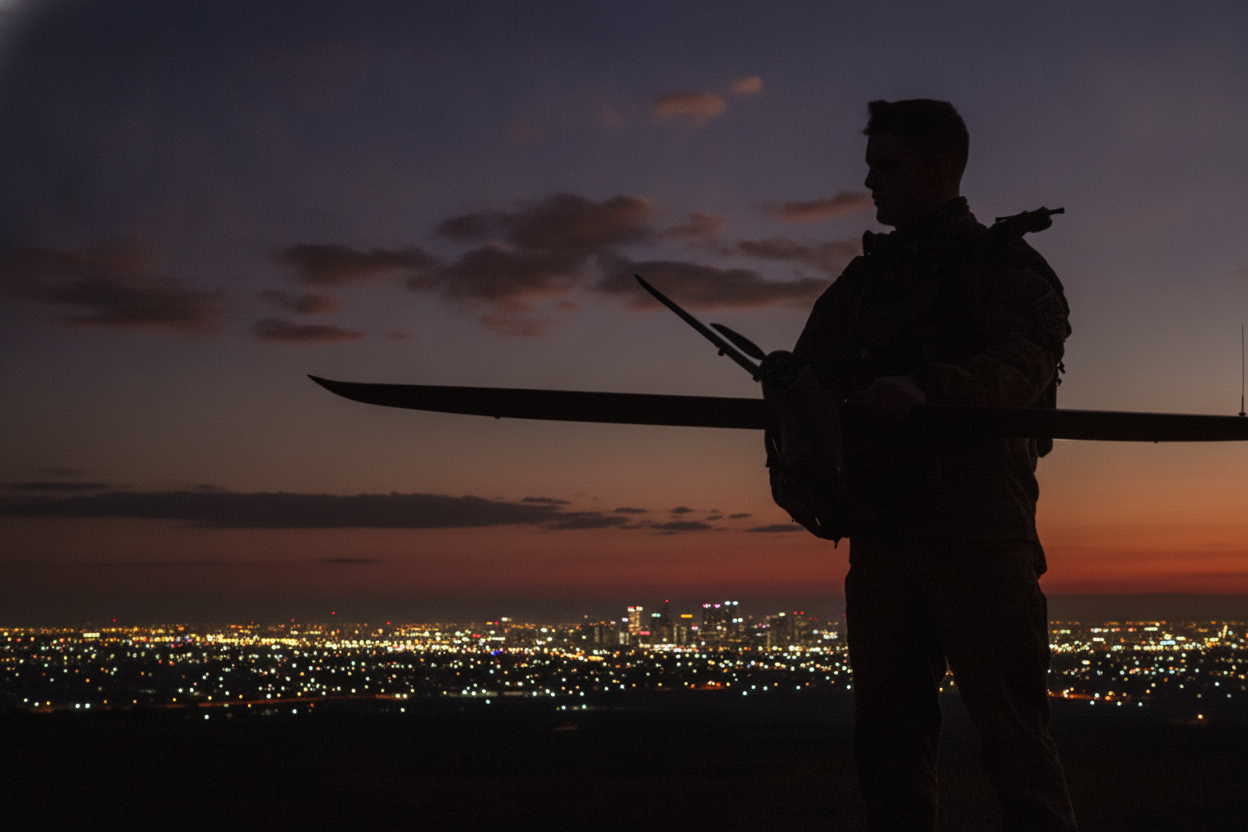
Ukrainian drone operators and special forces actively attack occupied Crimea, destroying cruise missile carriers, damaging ships, and blowing up fuel and ammunition depots.
Ingram emphasizes that these 'innovative and bold tactics' force Putin's captains to hide.
Fleet in Flight
Before the war, the Russian Black Sea Fleet had about 74 combat ships. But by March 2024, it became 'functionally inactive', having lost a third of its vessels due to strikes from Ukrainian drones and missiles.
Ingram points to Snake Island as a pivotal moment. This small island became symbolic when its defenders told a Russian ship to 'go ...'. After continuous attacks, 'Moskva' left this post in June 2022.
The drop cruise missile Flamingo has a claimed range of 3000 km and is designed to strike deep into Russia.
Ingram also highlights the evolution of Ukraine's arsenal, including Neptune missiles, which can now strike up to 1000 km deep inside Russia.
However, the real revolution is happening on the water. Ukraine has created a fleet not of steel hulls, but of silicon chips and explosive charges.
Why It Matters
Control over the Black Sea, in Ingram's opinion, means control over trade routes, energy corridors, and geopolitical influence.
For Ukraine, it is a lifeline from Odessa, and for Russia, a projection of power and prestige.
These pinpoint strikes and drones are changing the balance of power at sea and undermining the enemy's positions.
The new episode also examines the air war, where Ukrainian forces demonstrate effectiveness in creating a no-fly zone for Russian aircraft.
Ukrainian missiles destroyed the military ship 'Askold' in Kerch, Crimea.
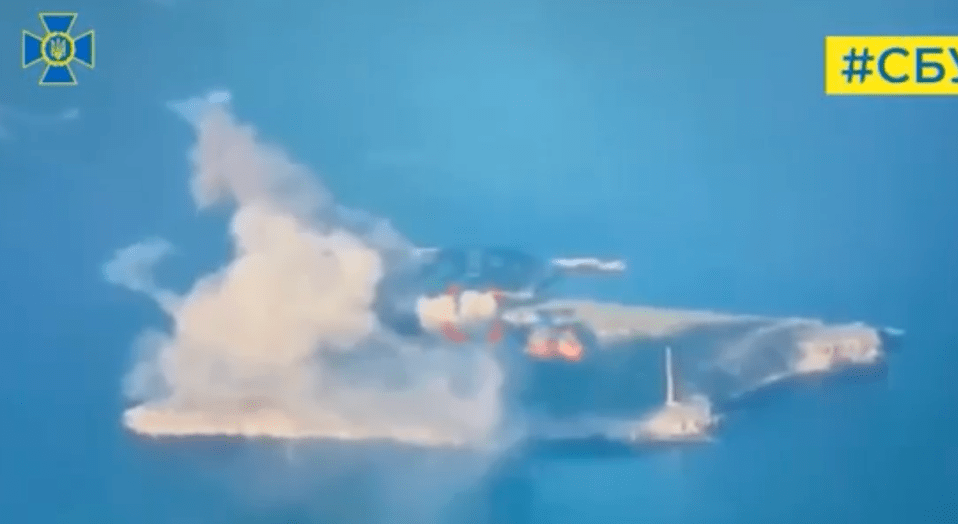 The Security Service of Ukraine released previously unknown footage of their special forces raid on Snake Island.
In the midst of brutal confrontation, control over the Black Sea becomes crucial for both sides. For Ukraine, it is not just a strategic victory but also an opportunity to protect its trade routes and ensure safe exports. Russia is trying to maintain its positions, but new Ukrainian technologies and tactics threaten its naval superiority. Continuous strikes on military assets can significantly impact the course of the conflict and change the rules of the game in the Black Sea.
The Security Service of Ukraine released previously unknown footage of their special forces raid on Snake Island.
In the midst of brutal confrontation, control over the Black Sea becomes crucial for both sides. For Ukraine, it is not just a strategic victory but also an opportunity to protect its trade routes and ensure safe exports. Russia is trying to maintain its positions, but new Ukrainian technologies and tactics threaten its naval superiority. Continuous strikes on military assets can significantly impact the course of the conflict and change the rules of the game in the Black Sea. Read also
- Germany and Ukraine Team Up to Build a European Air Defense System
- Ukraine Opens Criminal Case Against Russia’s Top General for July 2 Strike on Kyiv
- Ukraine's Defense Forces Launched Thousands of Strikes on Russian Targets in June, Hitting Refineries, Bases, and Crimea
- U.N. Condemns Nighttime Strike on Kyiv; Guterres Demands an Immediate Ceasefire
- Ukraine Signs Six 10-Year Agreements Under the Drone Deal Initiative, with 20 More Countries Set to Join
- Overnight Air Defense Takes Down 83 Targets as Russia Launches Missiles and 105 Drones