Defining Ukraine's Middle Class: The Required Income for 2026.

The State and Challenges of Ukraine's Middle Class
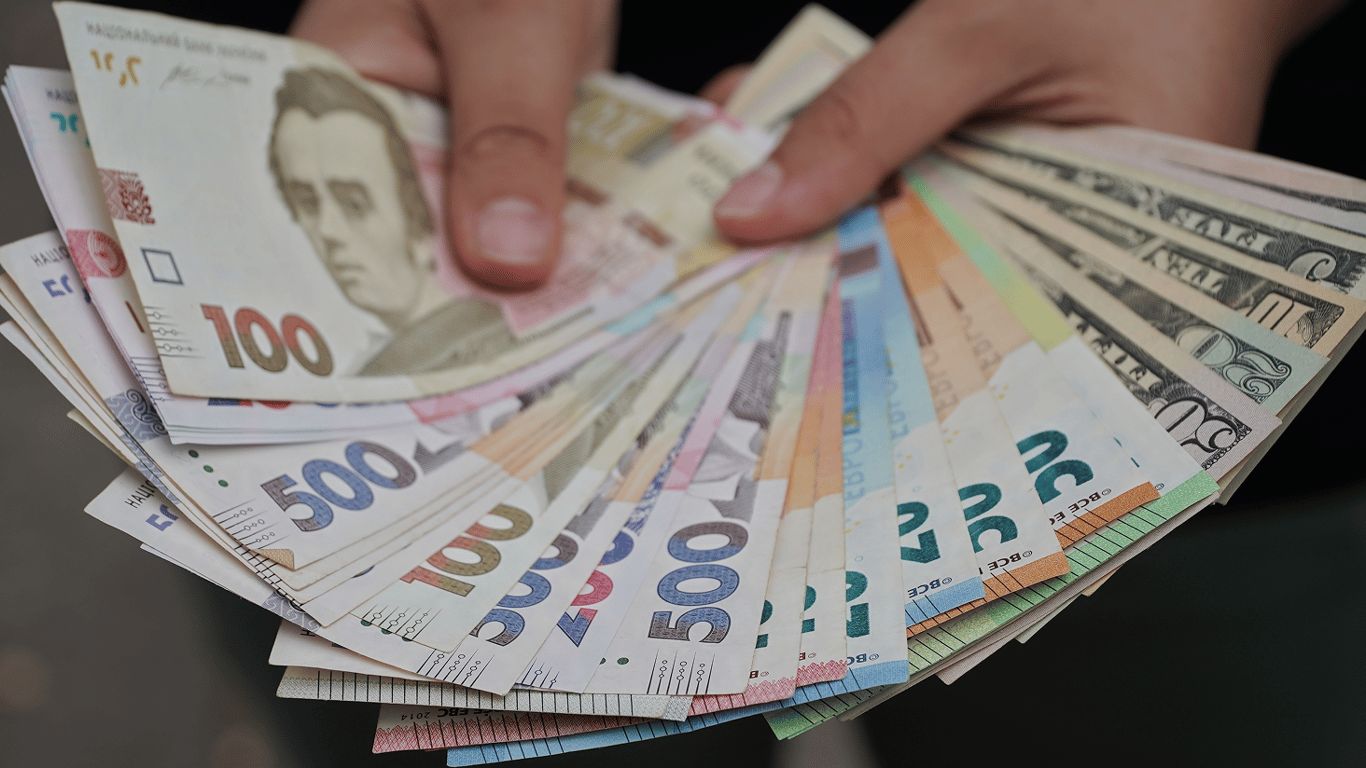
According to Novyny.live: To be considered middle class in Ukraine by 2026, an individual will likely need a monthly income of approximately 30,000 to 35,000 hryvnias. This estimate is not fixed and can shift based on economic conditions and social factors. With the nation's median wage currently around 25,000 to 26,500 hryvnias per month, defining the middle class in Ukraine is a complex task.
Olena Konyk points out that, based purely on calculations, classifying oneself as middle class requires an income reaching roughly 30,000-35,000 hryvnias per month or more.
In reality, the income level that allows one to feel securely part of the middle class is closer to 80,000–100,000 hryvnias monthly. This highlights that the middle class in Ukraine is a much narrower segment than income brackets alone might suggest, and while the absolute income threshold is lower than in many Western nations, its purchasing power remains limited.
It is important to note that defining the middle class is further complicated by significant regional income disparities and the profound impact of the ongoing war on the economy. Martial law, rising prices, and additional risks, particularly in the energy sector, make the situation even more volatile. Consequently, the reality of being middle class can vary dramatically depending on one's region and specific circumstances.
Conclusions
Therefore, defining the middle class in Ukraine is an ambiguous issue that requires considering numerous factors affecting the population's economic stability. This analysis is crucial for understanding social stratification in a country undergoing immense economic and social pressure.
These figures underscore the complexity of Ukraine's socio-economic situation, especially under wartime conditions and economic challenges. Accurately defining the middle class has important implications for social protection policies and the country's economic development. For effective policy-making, it is necessary to consider not only income but also regional differences, inflation levels, and other factors impacting citizens' lives.
Read also
- New U.S. Tariffs Hit 60 Nations: Here Are the Rates for the EU and Russia
- Russia’s Oil and Gas Revenue Set to Surge by 60%—Here’s What’s Driving the Jump
- IMF Disburses $690 Million Second Tranche to Ukraine: Where the Funds Are Going
- Russia’s Budget Deficit Could Hit 7 Trillion Rubles—What Are the Default Risks?
- Expert Sets Critical Threshold: 60% of Russia's Oil Refining Capacity Must Be Destroyed
- Russia Faces Imminent Fuel Crisis: Why Refinery Recovery Is Nearly Impossible, Expert Warns