Ofgem will require suppliers to reduce daily electricity payments: what will change.

New energy tariff regulation
According to The Sun: Energy suppliers will soon be required to offer tariffs with lower daily payments according to new rules confirmed by the regulator Ofgem.
Along with this, the regulator decided to abandon the initial plan to completely abolish fixed charges in some agreements.
PACritics argue that fixed charges unfairly impact low energy users as they make up a larger portion of their bills.
Ofgem noted that it aims to give consumers more options regarding fixed costs by allowing households to include these costs in a unit rate, which will reduce the daily fixed sum.
If the plan is approved, new tariffs could appear by the end of January.
Fixed charges and their impact
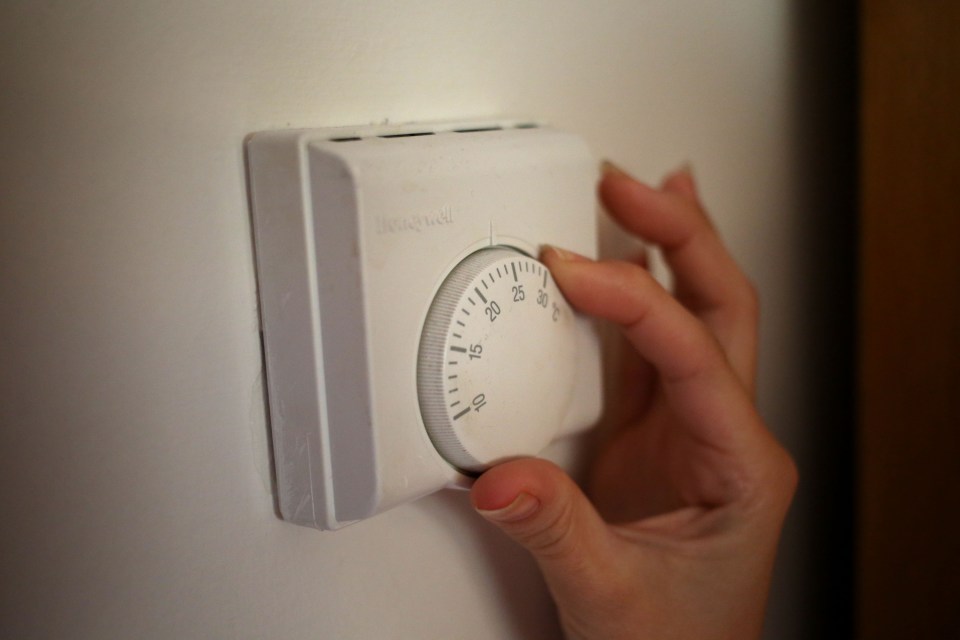
Fixed charges are levied daily, regardless of energy consumption, and cover the costs of supplying energy to households and businesses.
They also cover the costs of building new network infrastructure and ensuring energy supply during supplier bankruptcies.
Ofgem emphasized that these charges cannot be completely abolished but can be shifted from one part of the bill to another, which is unlikely to result in lower energy costs.
Tim Jarvis, CEO of Ofgem Markets, said: “We have listened to thousands of consumers who wanted to change the size of the fixed charge and have taken action.”
The future of energy tariffs
He also noted that “we cannot remove these charges, we can only move costs,” assuring that the changes will provide households with the necessary choice; however, it is important for everyone to consider what suits them as these tariffs are unlikely to lead to bill reductions.
The next energy price increase will occur on October 1, resulting in bills for a typical family rising from £1,720 to £1,755 per year.
Martin McCluskey, Minister for Energy Consumers, said: “Consumers have the right to freedom and choice when selecting the energy tariff that suits them.”
Ofgem noted that the new tariff regulation may be a temporary measure while permanent changes to cost allocation in the system are considered as the UK transitions to renewable energy.
Energy companies like Ovo are calling for the creation of a social tariff that would help lower energy bills for those who need it most.
According to a Green Alliance report, a social tariff could help more people escape energy poverty than existing programs.
66% of the public support the implementation of a social tariff that could reduce energy poverty to 42% among the most vulnerable sections of the population.
With the new energy tariff regulations, consumers gain more options to choose from; however, it is important to note that this does not guarantee a reduction in total costs. The situation in the energy sector remains tense, and consumers are witnessing changes that could have serious consequences for their finances. While energy companies are calling for support for vulnerable groups, the issue of energy affordability remains key in discussions about the future of the energy market in the country.
Read also
- New U.S. Tariffs Hit 60 Nations: Here Are the Rates for the EU and Russia
- Russia’s Oil and Gas Revenue Set to Surge by 60%—Here’s What’s Driving the Jump
- IMF Disburses $690 Million Second Tranche to Ukraine: Where the Funds Are Going
- Russia’s Budget Deficit Could Hit 7 Trillion Rubles—What Are the Default Risks?
- Expert Sets Critical Threshold: 60% of Russia's Oil Refining Capacity Must Be Destroyed
- Russia Faces Imminent Fuel Crisis: Why Refinery Recovery Is Nearly Impossible, Expert Warns