An independent regulator has been appointed in football: what it means for players and clubs.

New changes in football governance
According to The Sun: While managing the football business may not spark much excitement, an important appointment occurring soon could shape the future of the game for decades.
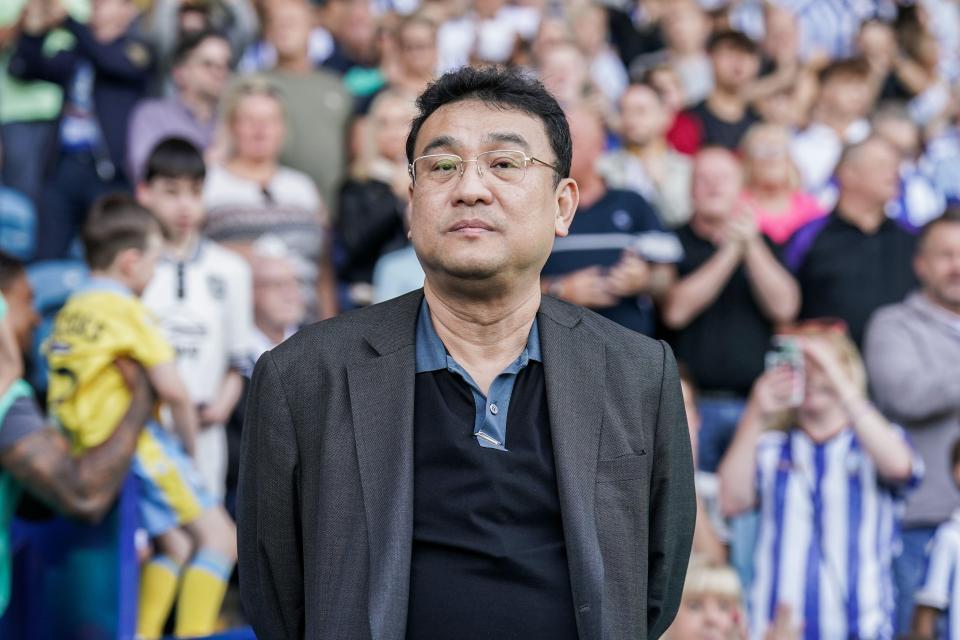
AlamyDejphon Chansiri is experiencing a crisis at Sheffield Wednesday, a vivid example of the need for an independent regulator.
I have always had doubts about the necessity of an Independent Football Regulator (IFR). However, if it is truly on the horizon, it is important that we get it right.
David Kogan, appointed as the head of IFR, has a lot to offer — his experience in media rights, sponsorship, and television contracts constitutes the foundations of modern football. He knows where the money comes from, where it goes, and why it matters. This enables him to understand financial sustainability, a critical issue in football.
His experience spans not just the Premier League but also the EFL, UEFA, women's football, and international organizations. This is important because football is not just about the elite, but also about the pyramid; if the top collapses, its base suffers as well.
The importance of the new regulator
The IFR requires a leader capable of creating transparent and reliable structures. Kogan is not a regulator by profession, and I consider this an advantage. Moreover, he has management experience that implies accountability.
AFPIt is essential that he has a team of competent people and common sense, which, unfortunately, is sometimes lacking in regulatory circles. While some challenge his political contributions to the Labour Party, including to Sir Keir Starmer, I personally do not see this as critical. Having political views should not disqualify someone from public service.
Kogan's appointment still needs approval from the Public Appointments Commission, but this process has been dragging since April. Why it is taking so long remains a mystery. In any case, Kogan will face many challenges, including the chaos at Sheffield Wednesday.
Owner Chansiri is facing the wrath of fans demanding the sale of the club due to numerous financial crises — tax debts, embargoes, unpaid salaries. This situation illustrates why football requires proper oversight.
Fortunately, the Football Governance Act provides the regulator with greater powers in the interest of preventing crises like the situation at Wednesday. Kogan’s team has already met with clubs to discuss how regulation can help the game.
We encourage consideration of the experience and expertise of the Premier League, where lessons have been learned the hard way over the years. Premier League clubs will only support a regulator when it genuinely improves ownership standards, strengthens relationships with fans, protects club legacies, and prevents rifts in the leagues.
The future of football
The goal is to support well-run clubs, rather than punish them or burden them with unnecessary bureaucracy. We have been assured that teams operating effectively — those that make the Premier League a global powerhouse — will not be under special scrutiny.
And so it should be. The Premier League remains the most competitive, popular, and desirable league in the world. It pumps £1.6 billion annually into the football pyramid, funding everything from local pitches to clubhouses.
This system is worth protecting, not interfering with. Kogan's mission is to ensure stability, not to seek profitability, as football is a risky business. Only a few clubs actually make money. For most owners, football is a joy, not a source of profit.
In many well-run clubs, every penny of revenue is reinvested.
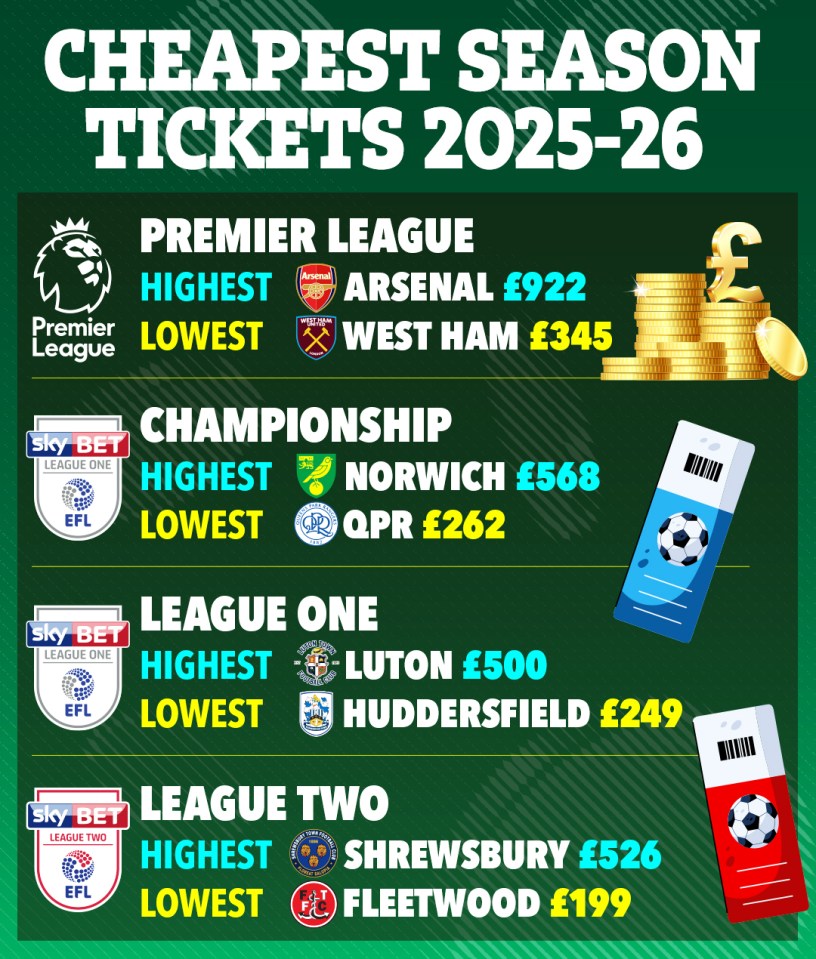
For instance, at West Ham, our shareholders do not take salaries or dividends, and all money goes back into the team, our service, infrastructure, growth, and development.
The key word here is 'consultation'. The regulator must listen to those who have made the Premier League what it is today. If they ignore this experience and apply a heavy-handed regulation, the repercussions could be serious.
Football is more than business; it is a heart that connects millions. It is a story, an identity, and a pride.
It is crucial that the new regulator understands this and helps protect the game we all love, not suffocate it in bureaucracy.
In conclusion, let us ratify the appointment of David Kogan and allow real progress to be made.
Read also
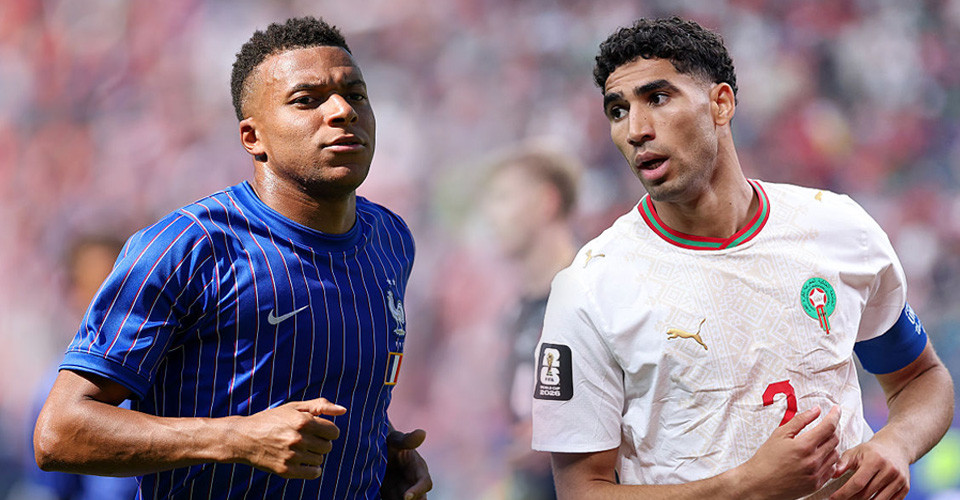
- Mbappé and Dembélé Each Score Twice as France Crushes Morocco in 2026 World Cup Semifinal
- European lawmakers demand FIFA ban Russia from tournaments over child deportations
- Marta Kostyuk's Wimbledon 2026 Run Ends: Finalists Now Set
- World Cup 2026 Quarterfinal: France and Morocco to Clash – Match Date and Time Confirmed
- Olympic Champion Beleniuk Fires Sharp Criticism at IOC Over Russian Athlete Decision
- Belgian Prime Minister Announces Football Victory Over the US During NATO Summit