India's $100 Billion Push for Energy Independence Through Domestic Exploration.

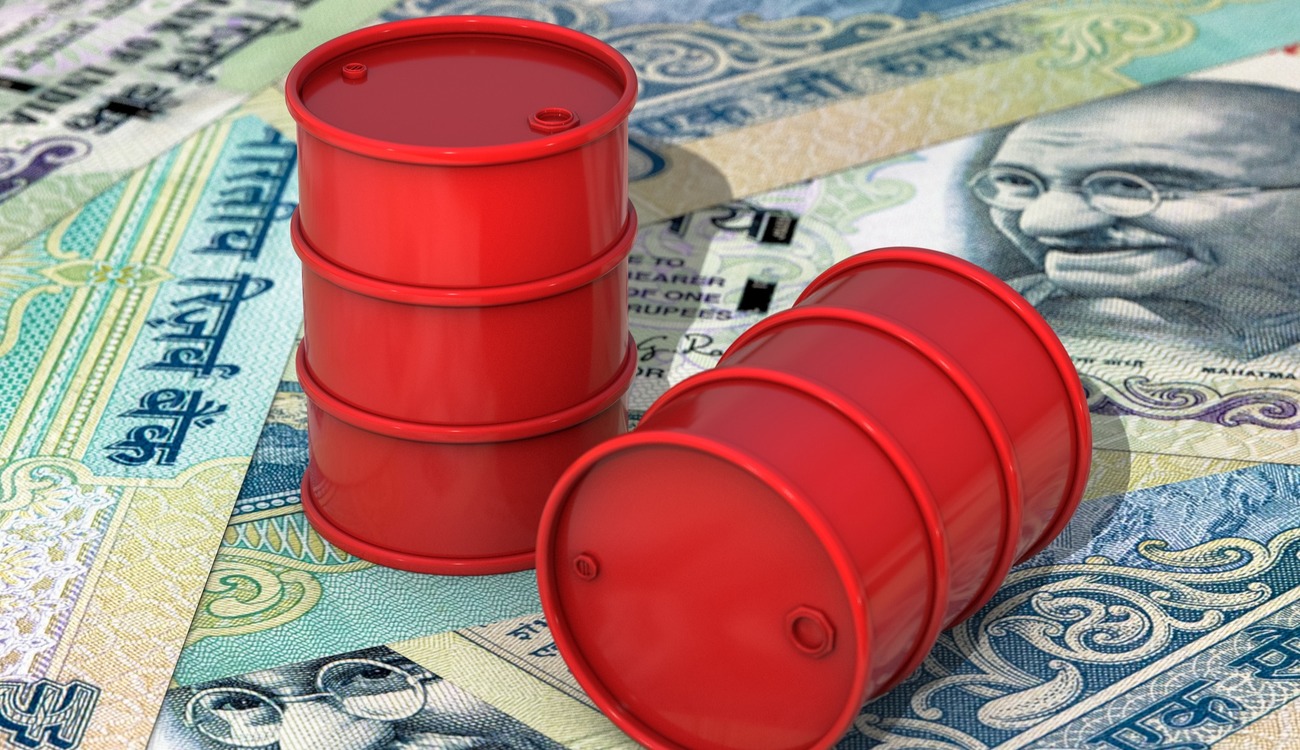
India's Major Domestic Exploration Drive
According to UATV: In a strategic move to curb its reliance on imported energy, India is committing $100 billion to domestic geological exploration. Currently, the nation imports roughly 85% of its energy supplies, with Russia being a significant source. This substantial investment aims to shield the country from the volatility of global markets and price fluctuations. This initiative is part of a broader national strategy to enhance energy security.
Exploration Scope and Strategic Focus
The investment program will open up approximately 1 million square kilometers of territory for exploration. A key focus will be developing deepwater reserves in the Krishna-Godavari basin and near the Andaman Islands, with drilling planned at depths exceeding 1,000 to 1,500 meters to tap into new energy sources. The scale of this plan highlights India's ambition to fundamentally reshape its energy supply chain.
- Increased international market activity by Indian energy firms.
- Reliance Industries' recent first-time export of aviation fuel to Europe.
- A strategic reduction in dependence on foreign suppliers.
This domestic strategy is complemented by the growing global footprint of Indian energy companies. For instance, Reliance Industries recently completed its first export of aviation fuel to Europe following the ban on Russian oil imports. This signals a pivotal shift in India's energy sector, reorienting it toward domestic resources and reducing external dependence.
Investing in domestic exploration could dramatically alter India's energy landscape, granting the nation greater autonomy in meeting its power needs.
Source: Energy News
Success in this endeavor could also spur technological advancement and make the Indian market more attractive to international investors. However, executing these plans will demand significant infrastructure and technological efforts, alongside careful consideration of the environmental impacts of resource extraction.
Read also
- Russia’s Oil and Gas Revenue Set to Surge by 60%—Here’s What’s Driving the Jump
- IMF Disburses $690 Million Second Tranche to Ukraine: Where the Funds Are Going
- Russia’s Budget Deficit Could Hit 7 Trillion Rubles—What Are the Default Risks?
- Expert Sets Critical Threshold: 60% of Russia's Oil Refining Capacity Must Be Destroyed
- Russia Faces Imminent Fuel Crisis: Why Refinery Recovery Is Nearly Impossible, Expert Warns
- Economist identifies Russia's point of no return: why it can never reclaim its place among global economic leaders