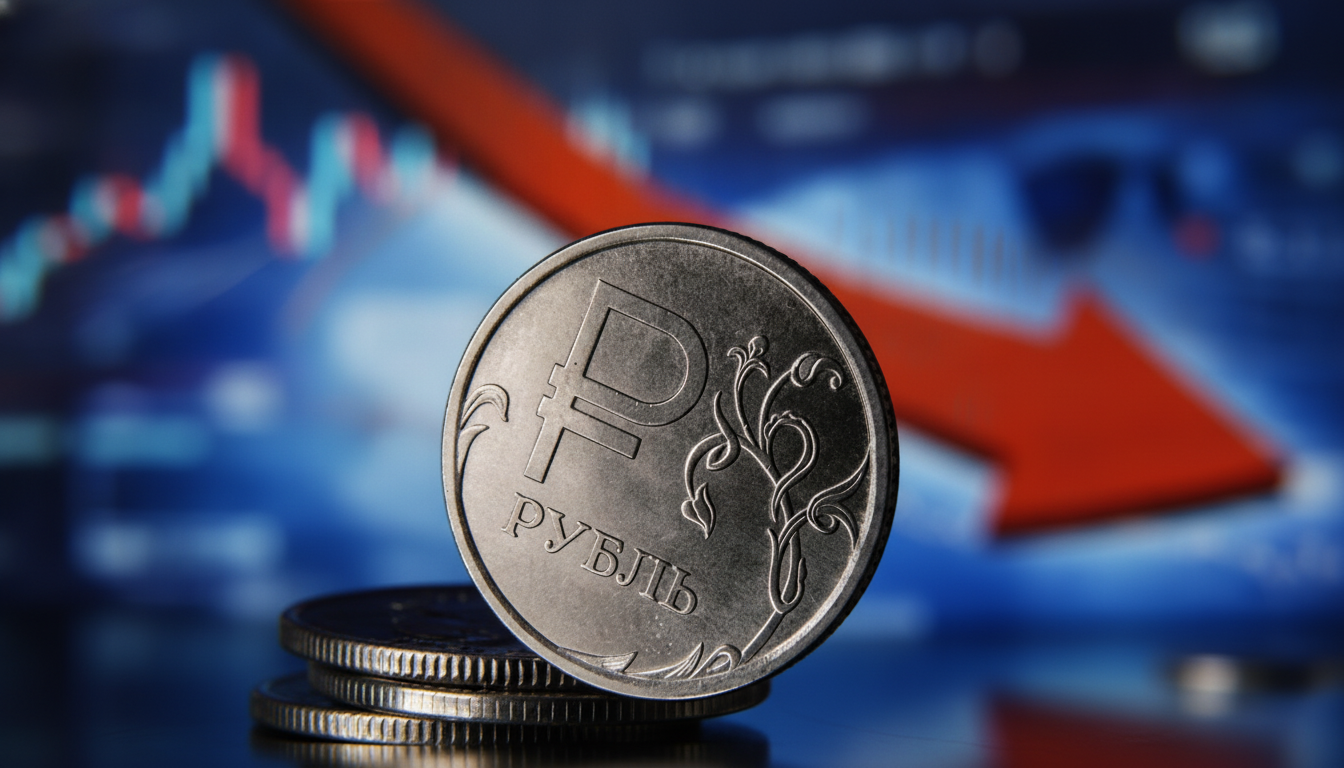
Russia's Inflation Rate Skyrockets, Driving Up Costs for Food and Services.


Russia's Economic Outlook for Early 2026
According to UATV: At the start of 2026, Russia is experiencing a sharp and sudden surge in inflation, placing significant strain on household budgets for essential goods and services. This inflationary spike is impacting key areas including food, medicine, public transport, and utilities. For the first 12 days of January, the average daily price increase reached 0.104%, a rate ten times higher than that recorded at the end of 2025. This acceleration comes as the Russian economy continues to grapple with the long-term impacts of international sanctions and a shifting global energy market.
Sharp Price Increases for Staple Goods
Prices for fruits and vegetables have climbed by an average of 7.9%. Within this category, the most dramatic increases were seen in:
- Cucumbers - prices rose by over 21%
- Tomatoes - prices increased by 13.6%
Furthermore, fares for public transportation have also been raised:
- Metro fares increased by 10.7%
- Tram fares rose by 5.4%
Significant price hikes have also been noted for cleaning products, hygiene items, and pharmaceuticals, particularly antiviral medications.
Amidst this economic pressure, Russia's federal budget is facing a separate challenge: revenues from oil and gas taxes for January 2026 are projected to fall by 46% compared to the same period the previous year. This dual pressure of rising domestic prices and declining key revenues highlights a complex economic situation that poses further challenges for both citizens and businesses.
The rapid inflation underscores the economic difficulties confronting Russia, marked by steep price increases for basic commodities and services. The concurrent drop in oil and gas tax revenues further exposes the Russian economy's continued reliance on energy exports. In a volatile global market, this dependence could create additional risks to economic stability and public welfare.
Read also
- Russia’s Oil and Gas Revenue Set to Surge by 60%—Here’s What’s Driving the Jump
- IMF Disburses $690 Million Second Tranche to Ukraine: Where the Funds Are Going
- Russia’s Budget Deficit Could Hit 7 Trillion Rubles—What Are the Default Risks?
- Expert Sets Critical Threshold: 60% of Russia's Oil Refining Capacity Must Be Destroyed
- Russia Faces Imminent Fuel Crisis: Why Refinery Recovery Is Nearly Impossible, Expert Warns
- Economist identifies Russia's point of no return: why it can never reclaim its place among global economic leaders