Intel’s 14A2 Process with Dual-Side Power Delivery: How It Could Reshape the Chip Market.

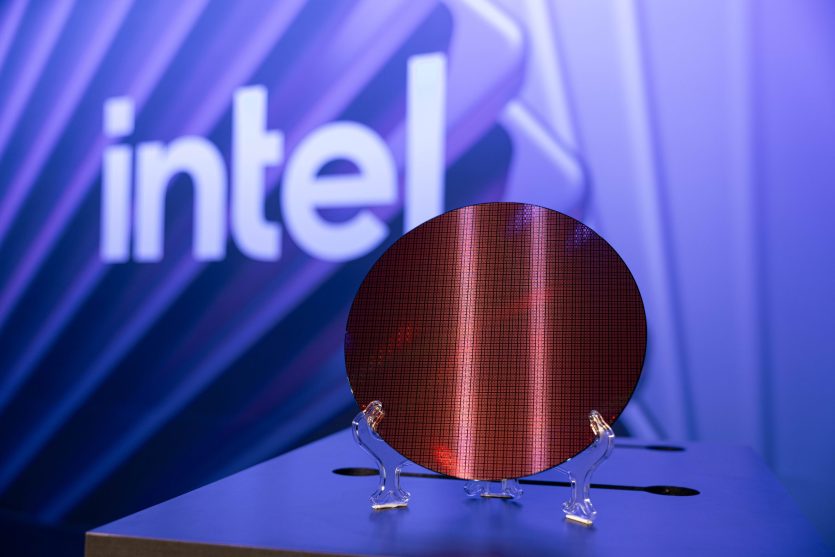
Intel Launches 14A2 Manufacturing Process
According to ITC.ua — Техно: Intel has unveiled its 14A2 process node featuring dual-side power delivery, marking a significant move in the race against TSMC and Samsung in the 1.4nm segment. This upgraded version of the existing 14A node is designed to deliver more efficient semiconductor solutions, giving Intel a stronger foothold in the competitive chipmaking landscape.
The roadmap for Intel’s 14A2 process underscores the company’s push to intensify its rivalry with industry leaders. TSMC, a dominant player in this space, is set to begin production on its A14 process in 2024, while Samsung targets mass production of its 1.4nm technology by 2029. This timeline gives Intel a strategic window to secure a more favorable market position, provided it executes the 14A2 launch on schedule.
Key Features and Advantages
A standout specification of the 14A process is its metal line pitch of 28 nanometers. In the refined 14A2 variant, this pitch shrinks to 21 nanometers, enabling higher component density. The baseline 14A node already promises a 30% boost in transistor density, and this improvement carries over to the new version.
Intel’s introduction of dual-side power delivery in the 14A2 process is a critical advancement, as it not only enhances manufacturing efficiency but also aligns with current market demands. This power architecture change is part of Intel’s broader strategy to improve performance and cut energy consumption—key factors in today’s fiercely competitive environment.
The company continues to refine its technologies, and the 14A2 rollout could be a pivotal element in Intel’s efforts to strengthen its standing in the semiconductor market, where competition is intensifying.
The launch of new process nodes like 14A2 could significantly impact Intel’s competitiveness in the semiconductor market. - Unknown source
Given that TSMC and Samsung are also advancing their own technologies, Intel has a chance not only to maintain its position but potentially to leap ahead in this rapidly evolving industry. The adoption of denser, more energy-efficient solutions could meet the growing demand for cutting-edge technology across sectors ranging from consumer electronics to automotive manufacturing.
Read also
- 260 Starlink Satellites Decommissioned by SpaceX: What’s Happening in Orbit
- First Jet1 Aircraft Model Now Under Assembly in Mojave: Promises Up to 50% Fuel Savings
- Seasonic Reveals RTX 5080 SUPER Specs: 415W TBP and 24GB Memory
- Electric vehicle range gets a massive boost as South Korea unveils next-generation battery electrodes
- Ukraine’s New ‘Flamingo’ Missile Strikes Targets 3,000 km Away: How the FP-5 Works
- Ukraine’s Flamingo Missile Reaches 3,000 km: First Strikes on Russian Soil Expected in 2025–2026