Electric vehicle range gets a massive boost as South Korea unveils next-generation battery electrodes.

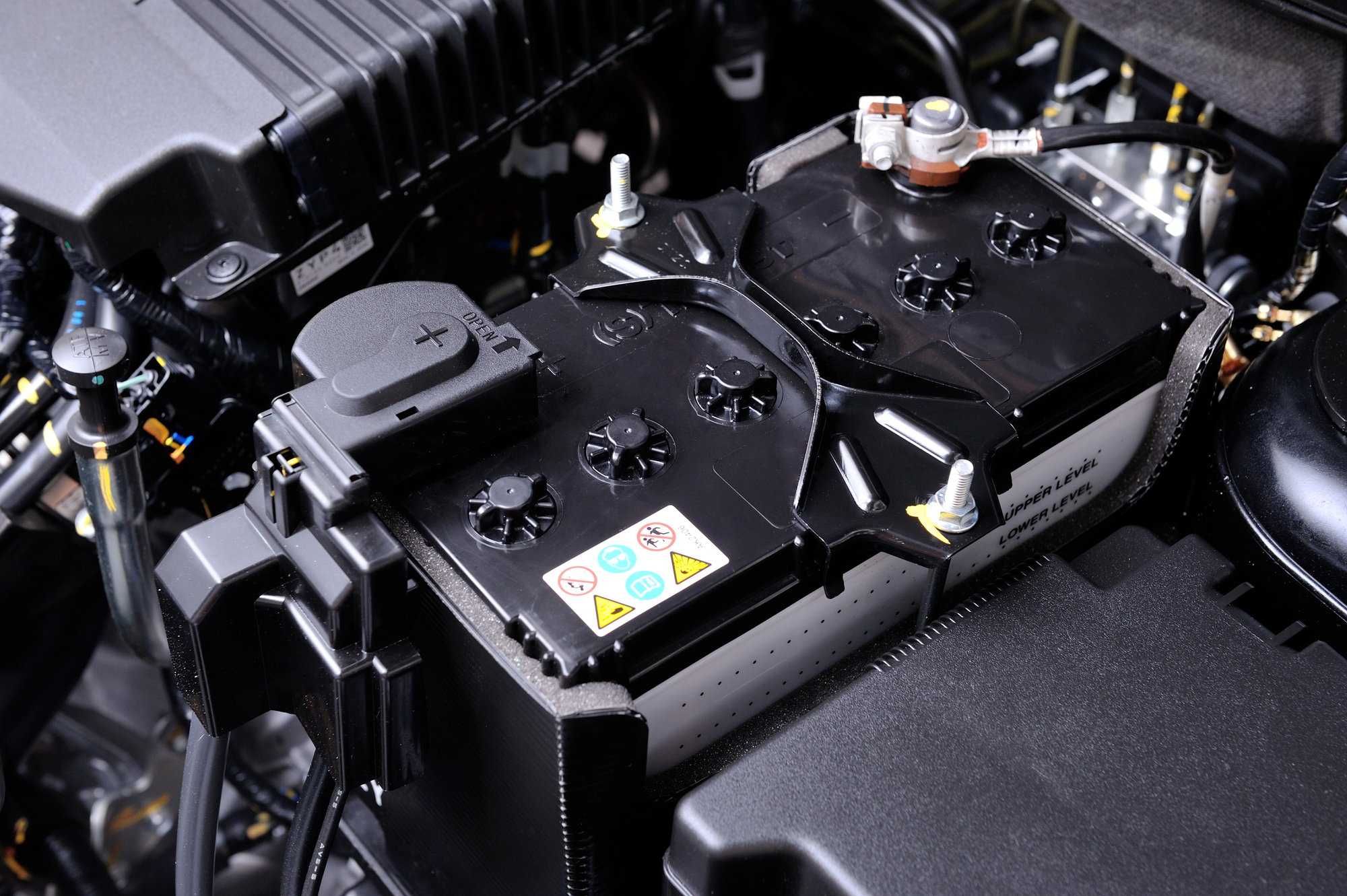
Breakthrough dry electrode manufacturing technology for EV batteries
According to ITC.ua — Техно: A team of South Korean researchers has introduced a novel method for producing dry graphite electrodes used in electric vehicle batteries. This innovation promises to significantly extend driving range, reduce charging times, and lower production costs—potentially reshaping the EV market landscape.
The development comes from scientists at the Korea Institute of Materials Science (KIMS) and the Korea Electrotechnology Research Institute (KERI). Their work achieved major improvements in lithium-ion diffusion performance. A key breakthrough involved replacing polytetrafluoroethylene (PTFE) with a carboxymethyl cellulose-superblocking reagent (CMC-SBR), marking an important step forward in battery efficiency.
Experimental results and their significance
According to the researchers, tests showed that the new dry anode delivers excellent fast-charging capabilities and long-term stability. Jihee Yoon emphasized that
“this technology represents a fresh approach to overcoming the limitations of traditional PTFE-based dry electrode processes.”The findings were published in the scientific journal Energy Storage Materials, underscoring the study's importance for the future of battery technology.
By enabling better battery performance, this dry electrode production method opens up new possibilities for improving EVs and could become a critical milestone in the shift toward sustainable transportation.
The adoption of this technology could have a major impact on the EV market. Enhanced battery performance is likely to boost consumer demand for electric cars, while lower manufacturing costs could make them more affordable to a broader audience. In turn, this could help reduce carbon emissions and accelerate the global transition to cleaner transport solutions.
Read also
- Ukraine’s New ‘Flamingo’ Missile Strikes Targets 3,000 km Away: How the FP-5 Works
- Ukraine’s Flamingo Missile Reaches 3,000 km: First Strikes on Russian Soil Expected in 2025–2026
- Why Ukraine’s Air Defense Is Struggling Against Russia’s New Jet-Powered Drones
- Top Score from Consumer Reports: What the Asus Gaming Router Brings to the Table
- Tesla Unveils the Model Y L: What’s New in the Brand’s Largest Electric SUV
- Why Anti-Drone Nets Fail Against 'Molniya' and 'Italmas' Drones: Key Insights