Iran Gripped by Political Crisis: IRGC Seizes Power Following Leadership Change.

Political Crisis in Iran
According to UATV: A fierce power struggle in the wake of a change in supreme leadership has plunged Iran into deepening political turmoil. The Islamic Revolutionary Guard Corps (IRGC) has solidified its dominance, while the president and government are losing their formal authority. The root cause of this instability is the shift at the top, which has empowered the IRGC—a force that commands its own army, missile units, air force, police, and intelligence agencies.
By pledging allegiance to the new ayatollah, the IRGC has signaled its strengthened grip on the country. Meanwhile, the president, despite having a popular mandate, finds his ability to exercise power severely constrained. This imbalance became starkly evident when Iran’s president attempted to apologize to Arab nations but was cut off the air mid-speech—a clear sign of his diminished influence.
U.S. Relations and Expert Analysis
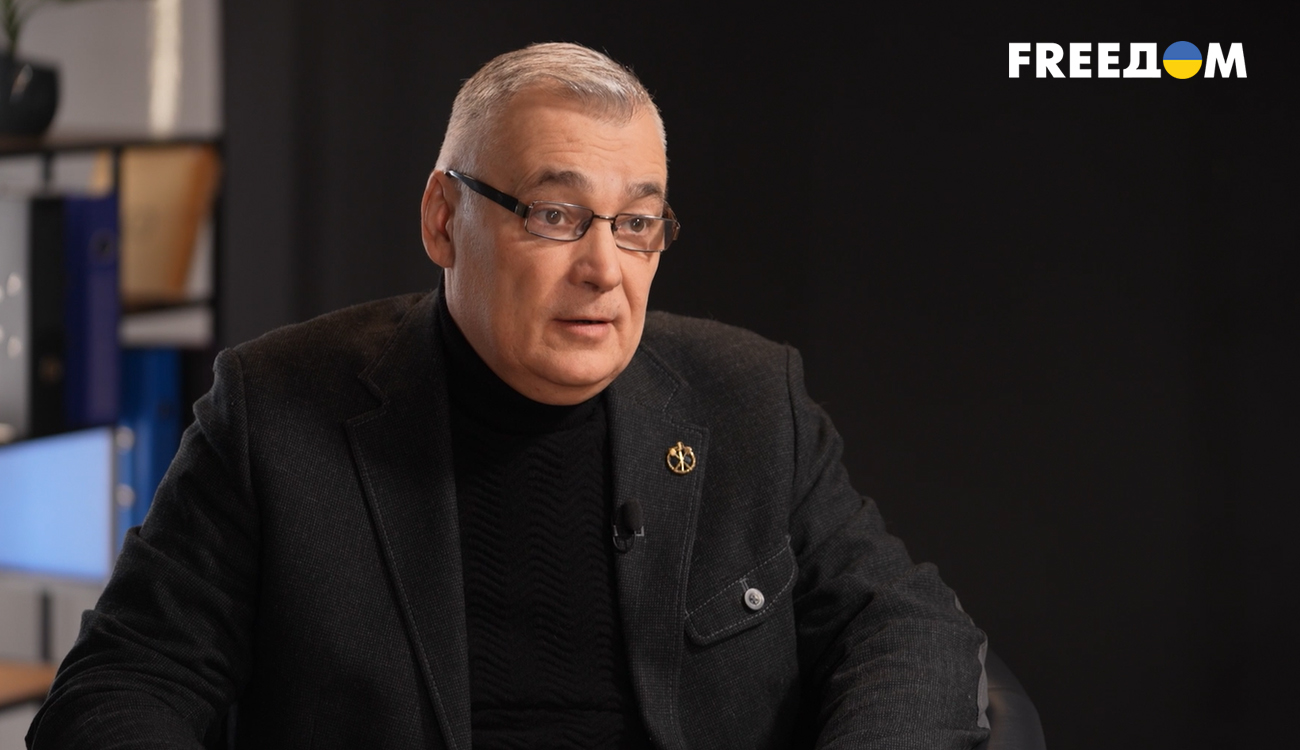
Tensions have further escalated as U.S.-Iran negotiations collapsed, and the speaker of Iran’s parliament announced a halt to dialogue with Washington. Experts have weighed in on the crisis. For context, the IRGC has long operated as a state within a state, and its recent moves mark a significant escalation. Rostyslav Holtsman commented:
“The situation itself is unprecedented.” - Rostyslav Holtsman
He also noted that “the Islamic Revolutionary Guard Corps has effectively seized full power in the country,” highlighting a dramatic shift in Iran’s political landscape.
The expert warned that “the situation is moving into a completely different, far more dangerous phase.” A deepening rift among the elite could ultimately trigger a transfer of power. Facing such political instability, Iran now confronts challenges that could reshape its future and threaten regional security.
This escalation underscores the IRGC’s growing sway over state affairs, which may lead to major changes in both domestic and foreign policy. The erosion of the president’s and government’s authority risks further elite infighting, with potential consequences for stability across the region. Without dialogue with international partners, the situation in Iran grows increasingly volatile, posing risks to neighboring countries and the broader global geopolitical order.
Read also
- New S-400 Air Defense System Deployed Just 10 km from the Kremlin in Moscow
- Meeting in Qatar to Address Strait of Hormuz: U.S. and Iran Agree to Halt Hostilities
- On Constitution Day, Biletskyi Highlights Ukrainians' Primary Duty
- How Ukraine’s Constitution Was Adopted on June 28, 1996, and What It Changed
- Crimea No Longer Functions as Russia's Logistics Hub: How Supply Chains for Occupying Forces Are Breaking Down
- Kyiv Pechersk Lavra’s Millennium Celebrations Get Official Go-Ahead from President Zelenskyy