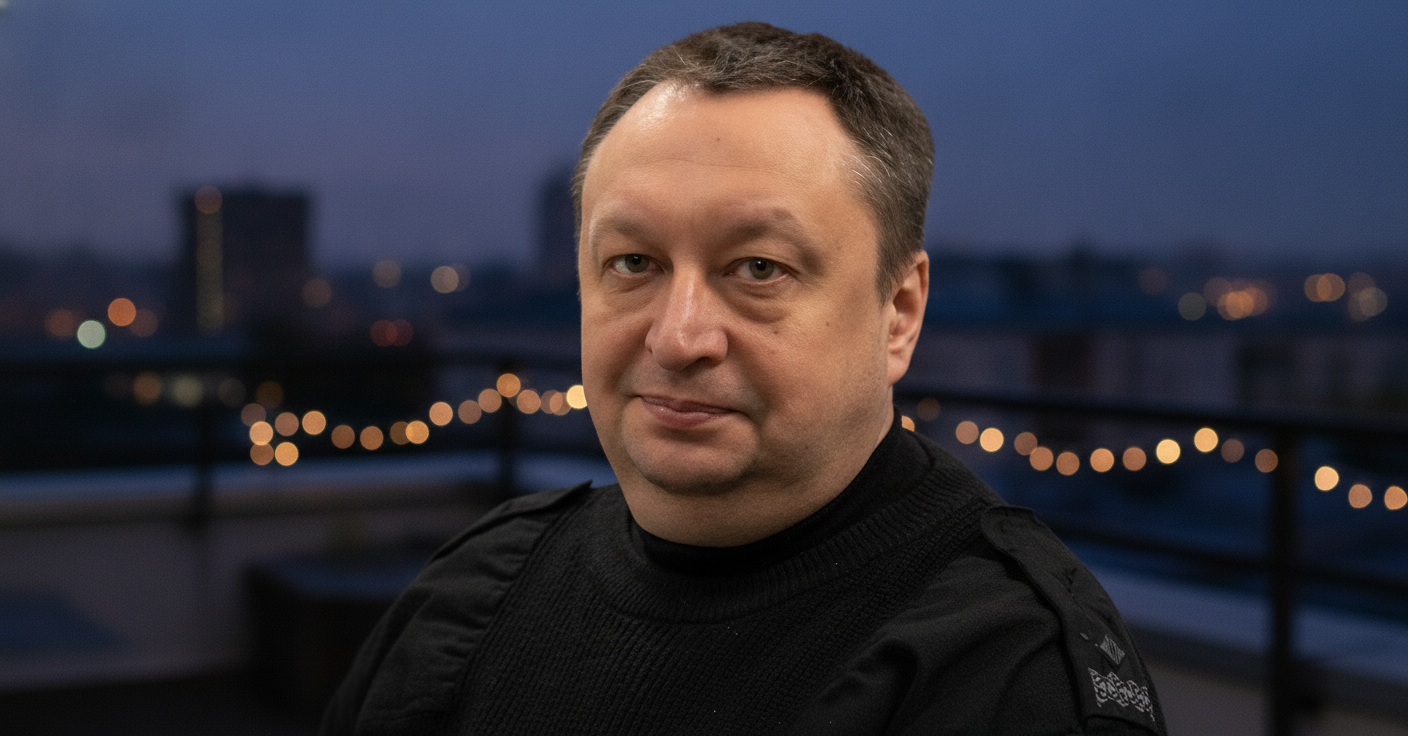
Harman explains how the Minsk Agreements led to the erasure of the Ukrainian language in Donbas.

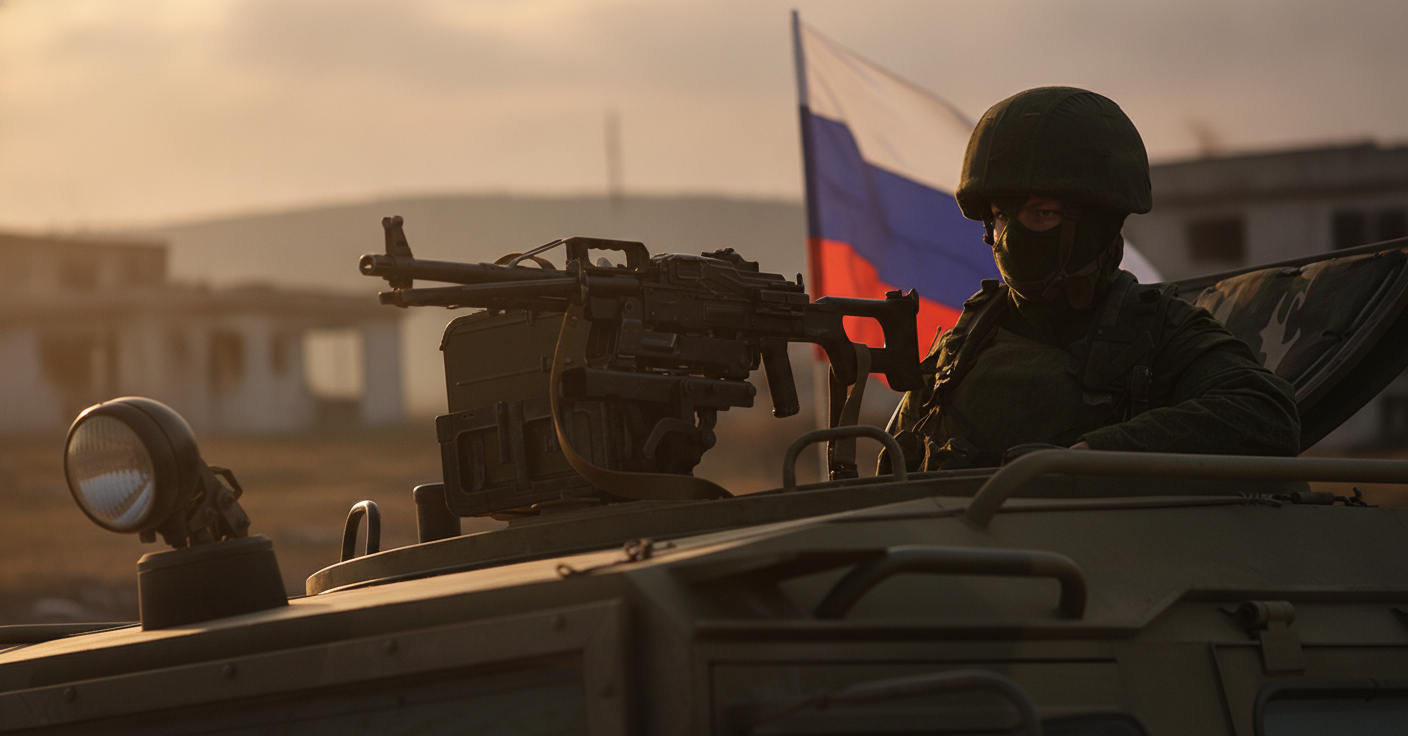
How the Minsk Agreements fueled Russification in Donetsk and Luhansk regions
According to Espreso.tv: Serhiy Harman analyzes the role the Minsk Agreements played in accelerating Russification across Donetsk and Luhansk, alongside Moscow’s broader strategy of population replacement and cultural suppression. The Minsk Agreements were in effect from 2014 until 2022, and under their terms, Russia was supposed to recognize these territories as part of Ukraine. Over the years, however, the situation on the ground shifted dramatically.
By 2020, the Ukrainian language had been removed from the constitutions of the so-called DNR and LNR—a pivotal moment in the Russification campaign. This process has been reinforced by economic incentives offered to settlers from Russia, which are driving demographic changes in the occupied regions. Harman warns,
“This policy of population replacement will most likely lead to a situation where the Russians who have moved into our occupied territories will be the ones voting there.”
The state of Ukrainian culture
Despite these pressures, a monument to Taras Shevchenko still stands in Luhansk. According to Harman,
“Although the Shevchenko monument in Luhansk remains, people gather signatures every year calling for its removal—but it’s still there.”This suggests that elements of Ukrainian culture continue to resonate with local residents. Harman emphasizes,
“It’s Russian policy that makes it dangerous for people to show or express their Ukrainian identity.”
The situation in Donetsk and Luhansk remains deeply troubled. The ongoing strategy of population replacement, combined with the official removal of the Ukrainian language from legal documents, highlights the severe challenges facing Ukrainian culture in these areas.
Understanding the impact of the Minsk Agreements is essential for grasping the broader struggle to preserve Ukrainian identity and heritage in the occupied territories. Even amid aggressive Russification, the persistence of Ukrainian symbols—like the Shevchenko statue—points to quiet resistance among locals. These realities underscore how questions of identity and cultural autonomy remain central to the conflict and its lasting effects on the region’s population.
Read also
- What Russian Propaganda in ORDLO Schools Hides from Parents
- Moscow Pressures Kyiv Over Donbas: What Washington Demands in Exchange