Iran's Calculated Strategy: Why Direct War with the US is Off the Table and What Threats It Wields Instead.


Iran's Asymmetric Pressure Tactics
According to UATV: Lacking the resources for a direct military confrontation with the United States, Iran has instead turned to asymmetric methods of applying pressure. This approach, which includes supporting armed proxy groups and threatening to close the Strait of Hormuz, allows Tehran to exert influence over Washington. This strategy is a direct response to Iran's limited capabilities in conventional warfare.
Iran's military is ill-suited for a traditional conflict with the US. Its navy consists largely of small, missile-equipped boats, and its air force is in poor condition, as noted by expert Vyacheslav Likhachev. He confirms that
"the Iranian army is not prepared for a conventional confrontation with the US military."This fundamental weakness shapes Iran's entire strategic posture.
The Critical Leverage of the Strait of Hormuz
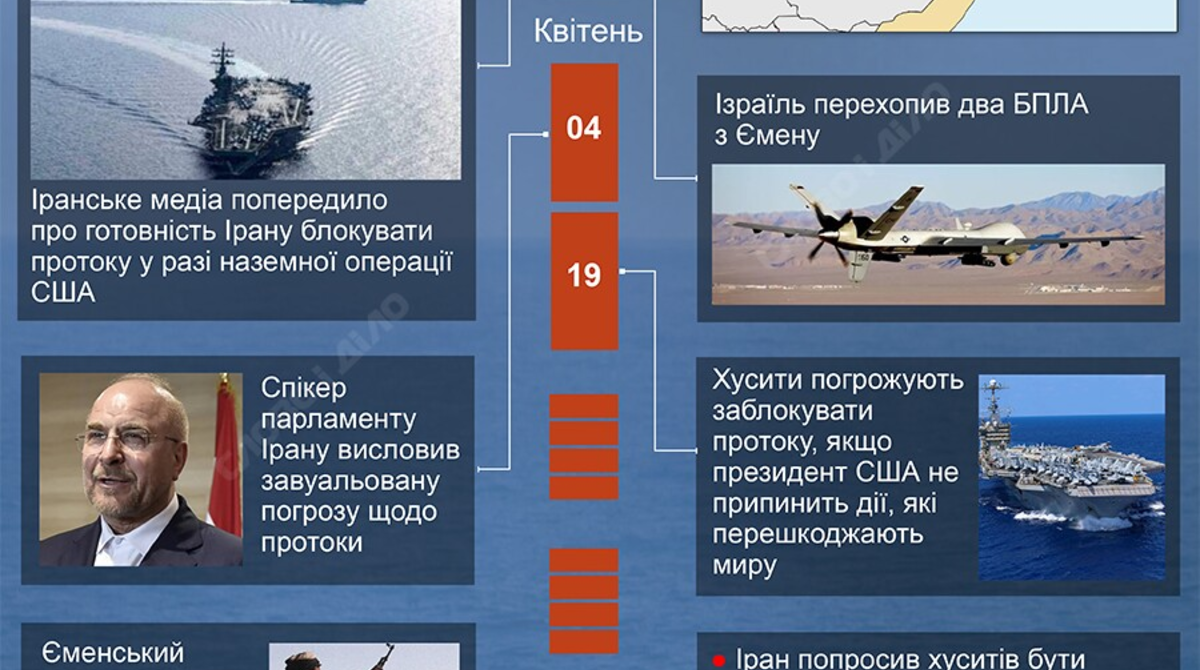
A central element of Iran's strategy is the Strait of Hormuz, a vital global trade chokepoint. Over 20% of the world's oil passes through this narrow waterway. Iran possesses sufficient short- and medium-range missiles to severely disrupt or halt tanker traffic there. As Vyacheslav Likhachev points out,
"the main threat is the potential to block the Strait of Hormuz."Consequently, the threat of closure serves as Iran's primary instrument of coercion.
Overall, Iran is leveraging its constrained resources to impact international politics through threats and proxy support, demonstrating its determination to remain a key regional player despite significant military and economic limitations. This situation underscores the complex geopolitics of the Middle East, where Iran uses asymmetric strategies to maintain influence. The potential closure of the Strait of Hormuz carries serious implications for the global economy, as any such action could trigger major oil price volatility and destabilize international trade routes.
Read also
- Heavy Fighting in Donetsk Region: 19 Russian Assaults Recorded in a Single Day
- For the First Time, Ukraine’s Navy Granted Authority to Command NATO Mine-Countermeasure Forces
- Russia Seeks to Widen Combat Zones: Ukraine Stands Up Three New Brigades
- Russian Airstrike Hits Izium: Cargo Office of Nova Poshta Damaged by Guided Bomb
- Iran Blockades the Strait of Hormuz: Houthis Shut Down Bab el-Mandeb in 2026
- Five Fuel Trucks Destroyed in Ukrainian Strike on Russian Military Convoy in Luhansk