Lessons from History for Ukraine: Which Strategies Actually Restored Statehood?.

Key Events of 1918 That Shaped Ukraine
According to Espreso.tv: In 1918, pivotal events unfolded in Ukraine that would define its path to statehood. Examining controversial political figures like Symon Petliura, Pavlo Skoropadskyi, and Mykhailo Hrushevskyi reveals how their conflicting strategies produced very different outcomes for the country. Each leader pursued a distinct vision, yet none achieved lasting independence—raising important questions about what truly drives successful nation-building.
Comparing them to Carl Gustaf Mannerheim and Józef Piłsudski—who successfully restored sovereignty in Finland and Poland—highlights that Ukraine’s leaders faced far more daunting obstacles. Meanwhile, anti-Bolshevik commanders such as Anton Denikin, Alexander Kolchak, and Pyotr Wrangel attempted to seize control in Ukraine during the Russian Civil War, but all ultimately failed, deepening the region’s instability.
Consequences and Persistent Challenges
The Bolshevik victory in that war led to the systematic destruction of Ukraine’s national elite, widespread terror, and devastating famine. These events demonstrate that the Soviet Union was never a healthy state; instead, it created conditions that made restoring independence extraordinarily difficult. It is also worth noting that in 1918, both the Austro-Hungarian and Ottoman Empires were on the verge of collapse—a collapse that could have opened new windows of opportunity for Ukrainian statehood.
By analyzing the roles of these different leaders in the struggle for Ukrainian sovereignty, we can see how their strategic choices profoundly shaped the country’s later history and national identity.
The events of 1918 proved decisive in forging Ukraine’s national statehood, yet their repercussions are still felt today. The rivalry among various political factions, compounded by external forces such as the civil war and shifting dynamics in neighboring countries, made Ukraine’s road to independence exceptionally difficult. Understanding these historical turning points helps clarify the modern challenges and context in which Ukrainian statehood continues to evolve.
Read also
- First foreign guest for Britain's new Prime Minister Andy Burnham: Zelenskyy visits UK
- Civilian Ship Attacks Prompt UN Security Council Meeting; Top Ukrainian Diplomat Calls for Strong Reaction
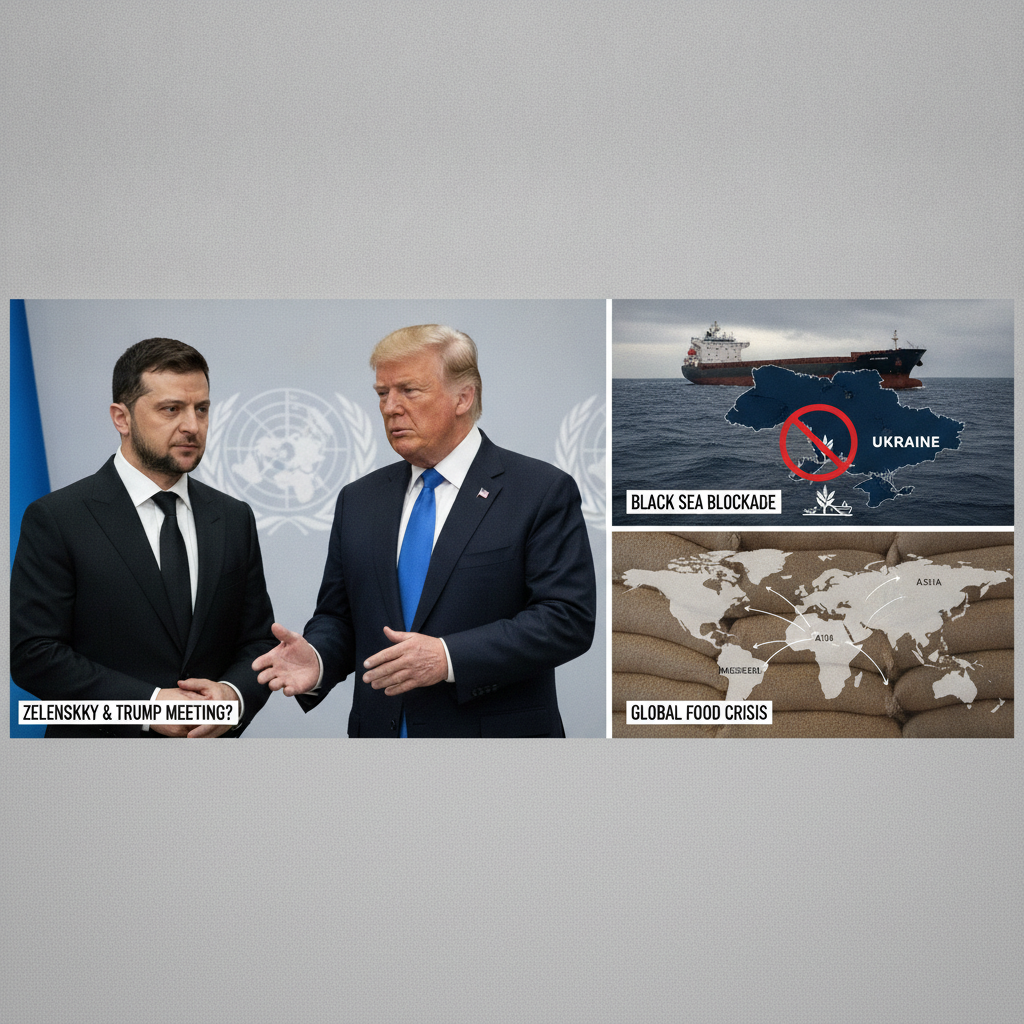
- Blocking the Black Sea for Russia: The Key Issue for Zelenskyy and Trump’s Upcoming Talks
- Sopot Becomes First Polish City to Officially Condemn Anti-Ukrainian Sentiment with Landmark Council Resolution
- New Civil Defense Protocols from Russia’s Rosgvardiya: Mobilization and Wartime Safeguards Added for the First Time
- Russia Counts 20 Friendly African States, but Just 8 Support Ukraine