U.S. Responds to Joint Naval Drills by China, Iran, and Russia in the Strait of Hormuz.

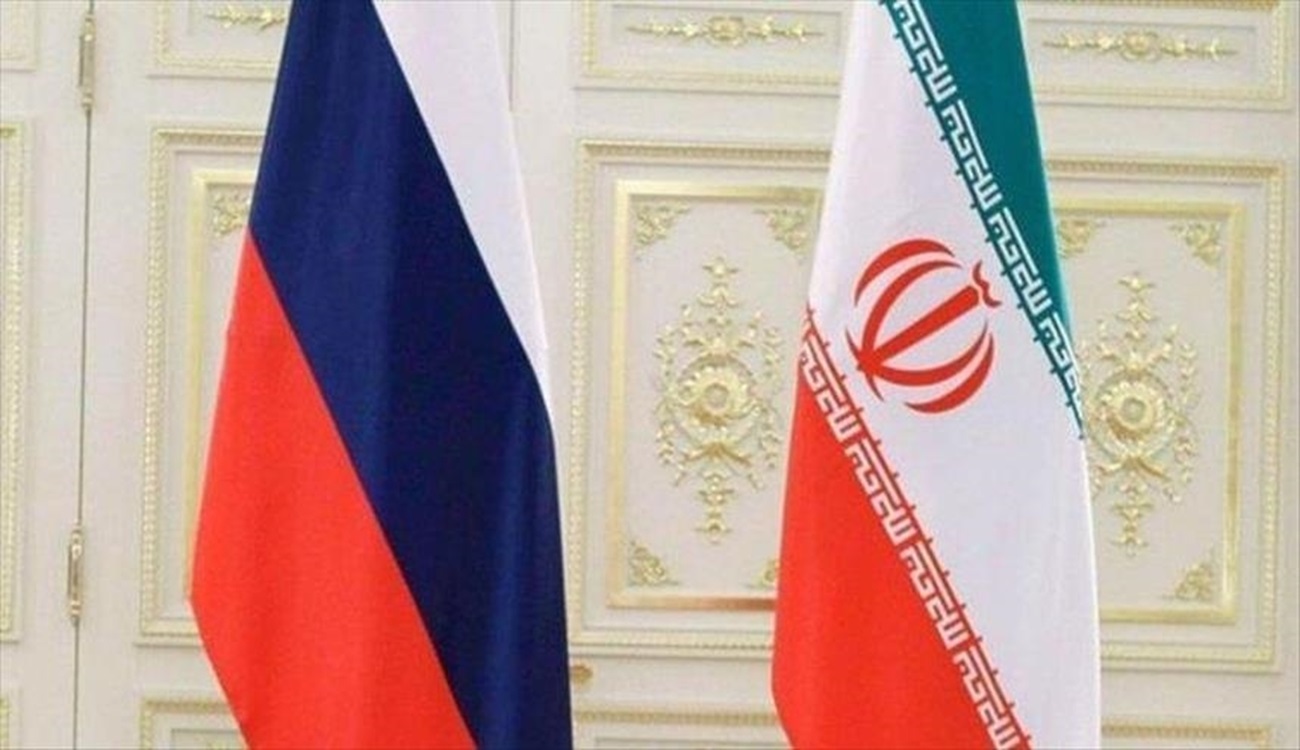
Joint Naval Exercises in the Strait of Hormuz
According to UATV: Amid heightened tensions in the Middle East, China, Iran, and Russia have commenced joint naval exercises in the strategically vital Strait of Hormuz. This military cooperation occurs against a backdrop of increased U.S. military presence in the region, a buildup largely driven by Washington's strained relations with Tehran. The Strait is a critical global chokepoint for oil shipments, making any military activity there a matter of international concern.
Expert Commentary
Igor Semivolos, Director of the Center for Middle Eastern Studies, noted that
"China's presence in the Persian Gulf area is already quite significant."This underscores Beijing's active and growing military engagement in regional affairs. However, Semivolos expressed skepticism about the drills' strategic impact, stating:
"I do not particularly count on these exercises as a factor for deterring the Americans."This suggests the maneuvers may not substantially alter the regional balance of power.
Furthermore, Iranian President Masoud Pezeshkian highlighted the country's economic challenges, remarking that
"there is no real assistance, meaning real money, that can save the Iranian economy."This points to the severe financial pressures Iran faces, despite receiving military backing from its allies. Meanwhile, China's established military base in Djibouti provides it with a platform to further extend its influence in this crucial part of the world.
Consequently, the trilateral exercises represent another variable influencing the military and political landscape of the Strait of Hormuz, where tensions among global powers are escalating. These events highlight the complex geopolitics of a region where military maneuvers can serve both as displays of partnership and as sources of friction, demanding close observation from the international community.
Read also
- Heavy Fighting in Donetsk Region: 19 Russian Assaults Recorded in a Single Day
- For the First Time, Ukraine’s Navy Granted Authority to Command NATO Mine-Countermeasure Forces
- Russia Seeks to Widen Combat Zones: Ukraine Stands Up Three New Brigades
- Russian Airstrike Hits Izium: Cargo Office of Nova Poshta Damaged by Guided Bomb
- Iran Blockades the Strait of Hormuz: Houthis Shut Down Bab el-Mandeb in 2026
- Five Fuel Trucks Destroyed in Ukrainian Strike on Russian Military Convoy in Luhansk