Why Chinese Electric Cars Cost Twice as Much in Europe.

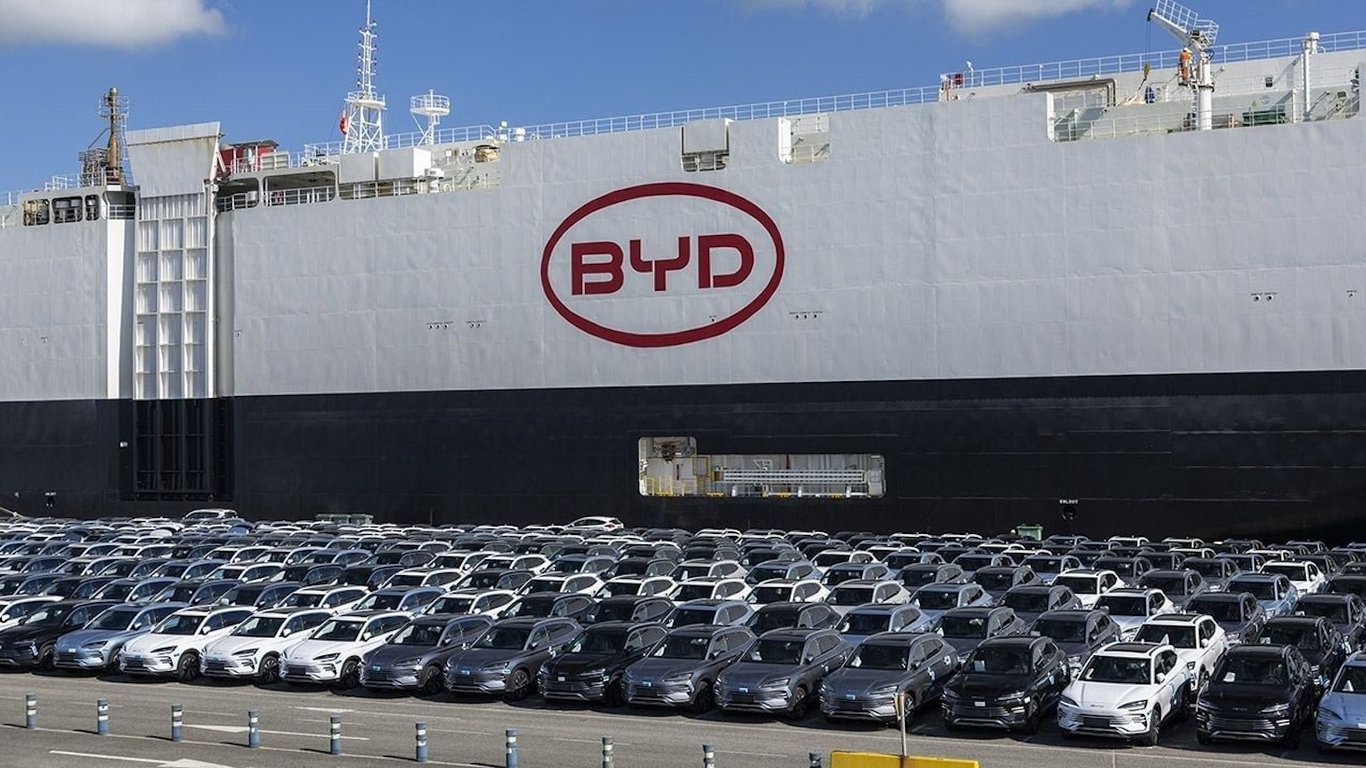
The Stark Price Gap for EVs in China Versus Europe
According to Novyny.live: A dramatic price difference of 100% exists for electric vehicles (EVs) sold in China compared to those sold in Europe. For instance, the BYD Seal model retails for around $25,000 in China, while its European price tag exceeds $51,000. This significant disparity is driven by several key factors affecting EV manufacturing and sales. The situation highlights the competitive challenges facing European automakers in a rapidly globalizing market.
Key Drivers Behind the Pricing Disparity
A primary reason for lower EV prices in China is the control Chinese brands exert over battery production. Chinese companies command over 60% of global battery manufacturing, enabling them to reduce costs for this crucial EV component. This control directly contributes to highly competitive pricing in their domestic market.
Furthermore, the sheer scale of EV sales in China is staggering. Sales volumes for electric vehicles in China are projected to surpass 14 million units in 2025. Such massive scale allows manufacturers to achieve substantial economies of scale, further driving down per-unit costs and final vehicle prices.
In contrast, the European market contends with significantly higher energy and labor costs, which increase the overall expense of producing electric vehicles. This is another major factor explaining why Chinese-made EVs are priced so much higher for European consumers.
In summary, the cost difference for electric vehicles between China and Europe is attributable to:
- dominance in battery production;
- enormous sales volume;
- higher regional operating costs in Europe.
These factors critically shape pricing strategies in the global electric vehicle market.
This pricing imbalance poses a serious challenge to the competitiveness of European EV manufacturers, who may need to adapt their strategies to maintain market share. As demand for electric cars continues to grow across Europe, the response from local brands and potential shifts in regulatory policy, which could affect regional costs and prices, will be crucial to watch.
Read also
- Russia’s Oil and Gas Revenue Set to Surge by 60%—Here’s What’s Driving the Jump
- IMF Disburses $690 Million Second Tranche to Ukraine: Where the Funds Are Going
- Russia’s Budget Deficit Could Hit 7 Trillion Rubles—What Are the Default Risks?
- Expert Sets Critical Threshold: 60% of Russia's Oil Refining Capacity Must Be Destroyed
- Russia Faces Imminent Fuel Crisis: Why Refinery Recovery Is Nearly Impossible, Expert Warns
- Economist identifies Russia's point of no return: why it can never reclaim its place among global economic leaders