Chinese bank Heihe halted operations with Russia due to EU sanctions: what does this mean.

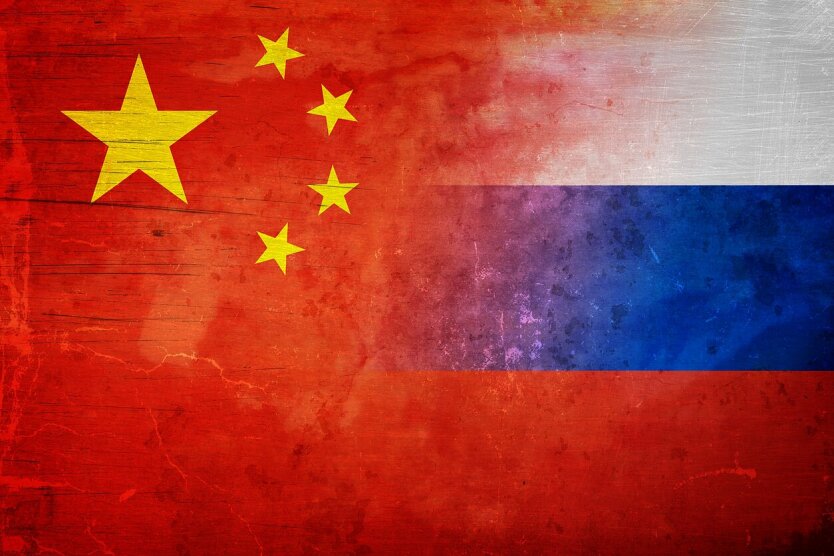
According to inkorr.com: The Chinese financial institution Heihe Rural Commercial Bank has suspended payments from Russia in response to sanctions from the European Union. Russian importers note that previously transfers went smoothly, but since the imposition of restrictions, they have stopped.
Description of events
Heihe initially halted cooperation with Russian banks on August 11, and subsequently completely stopped accepting money transfers. Other Chinese banks are also refusing to work with Heihe due to EU sanctions.
'The EU Council imposed sanctions on Heihe on July 19 for providing services related to crypto assets that undermine restrictions against Russia. The decision took effect on August 9, from that moment representatives and companies of the EU are prohibited from participating in any transactions with the Chinese bank.'
Impact on Russian business
For Russian companies, Heihe was an important partner. After other banks refused, many enterprises began to turn to this bank. Currently, the financial settlement system between Russia and China has become more complicated, which may negatively affect the conduct of operations.
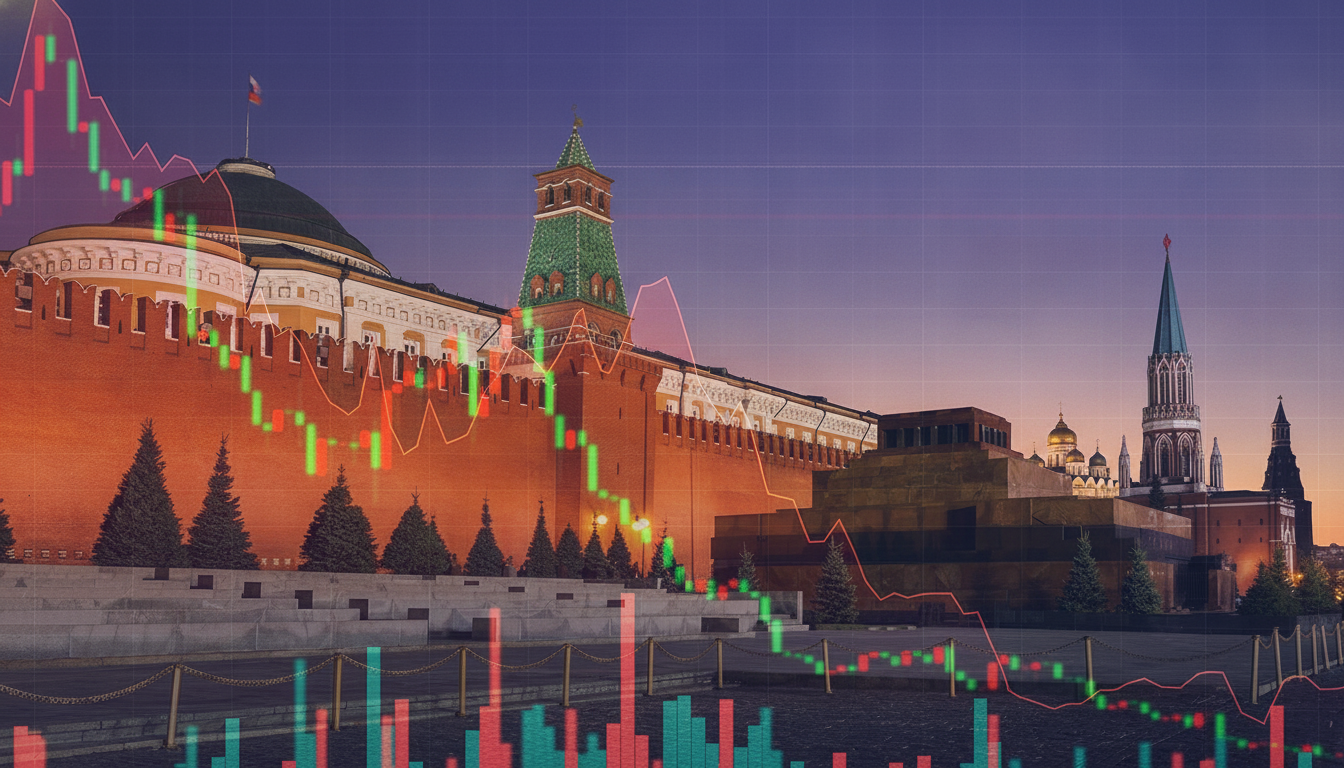
As a result of EU sanctions, the Chinese bank Heihe has stopped accepting payments from Russia, complicating financial settlements between businesses of both countries. This leads to new challenges for Russian importers who maintained active financial ties with China, and may exacerbate the economic situation in the region.
Read also
- Facing Diesel Shortages, Russia Bans Exports and Turns to Imports for the First Time
- Kyrgyzstan Scrambles for Fuel as China and Belarus Step In to Replace Russia
- UDP Leadership Accused of Asset Theft: Losses Hit $7 Million
- Russia Faces Fuel Crisis: Putin Admits Shortages as Moscow Prepares to Import Petroleum Products
- Half a Million Bankruptcies in One Year: Russia’s Economy on the Brink of Collapse
- Defense Forces Strike Halts Key Russian Refineries: Fuel Shortage Expected to Hit 30,000 Tons