The Best Time to Start Cucumber Seeds: Two Key Methods and Optimal Timing.

Planning Your Seed-Starting Schedule
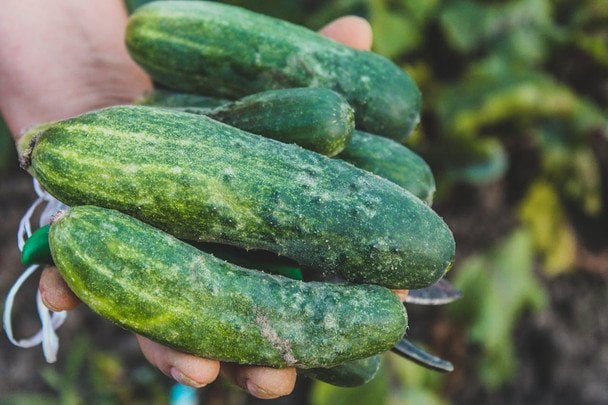
According to TSN.ua: For gardeners, establishing the correct schedule for starting seeds is a crucial step that directly impacts the quality and quantity of the final harvest. Experienced growers advise considering both the cultivation method and the optimal planting dates based on specific conditions. The sowing date is primarily determined by where the seedlings will ultimately be planted—whether in an open garden bed or within a greenhouse.
Methods for Determining the Sowing Date
A helpful technique for pinpointing the ideal sowing date is the "count-back method." The recommended timing can vary significantly depending on the chosen cultivation approach. For instance, seedlings grown in cell trays will be ready for transplanting in just 14–16 days. In contrast, seedlings cultivated in individual pots require a longer period of 25–30 days to reach a suitable stage for moving outdoors.
- For transplanting seedlings into open ground in mid-May, the cell tray method requires sowing in early May.
- If a gardener opts for the pot method, sowing should begin in late April.
- Regarding indoor cucumber varieties, these can be sown as early as late February, provided supplemental lighting and warmth are available.
All these guidelines can greatly simplify the seedling cultivation process and increase the likelihood of a high-quality yield. It's important to recognize that the choice of growing method—be it cell trays or half-liter pots—also plays a significant role in achieving gardening success. This planning is especially important for warm-season crops like cucumbers, which are sensitive to cold soil and frost.
Since proper sowing timing is a key factor for a successful harvest, gardeners should carefully study recommendations concerning dates and methods. Heeding this advice not only promotes successful plant growth but also helps avoid potential mistakes linked to incorrect sowing times. This, in turn, can substantially affect the economic efficiency of gardening, as harvest quality is directly tied to the correct selection of timing and cultivation techniques.
Read also
- 30-Minute Potato Dough Pies with Cheese and Ham: A Quick Family Recipe
- Chocolate Cake with Nut Caramel: A Recipe from Gospodynka
- 5 Key Composting Mistakes That Prevent Decomposition and How to Fix Them
- Perfect Cherry Compote Recipe Revealed: Exact Sugar and Berry Quantities
- 2026 Hair Trends Bring Back the 80s: Volume, Curls, and Princess Diana-Inspired Cuts
- Princess Diana’s Favorite Wedge Sandals Make a Major Comeback in 2026