A Gardener's Guide to Sweet Pepper Seed-Starting Dates for Early, Mid, and Late-Season Varieties.

When to Sow Sweet Pepper Seeds for Best Results
According to TSN.ua: Timing is a critical factor for successfully cultivating sweet peppers. The ideal sowing dates vary significantly between different pepper varieties, directly impacting their maturation timeline and overall yield. For gardeners aiming for a continuous harvest, understanding these schedules is key. Late-season varieties, for instance, should be started in early February.
Planting Schedule by Variety Type
Mid-season varieties, which include popular types such as:
- Laylakbel
- Podarok Moldovy (Gift of Moldova)
- Karpatiya
- California Wonder
- Alba
- Lumina
- Raine
are best sown in late February or early March. Early-season varieties, specifically Revia, Mercedes, Asti Red and Yellow, Lesya (Red and Orange), and Volove Vukho (Oxheart), are ideally planted in the first half of March.
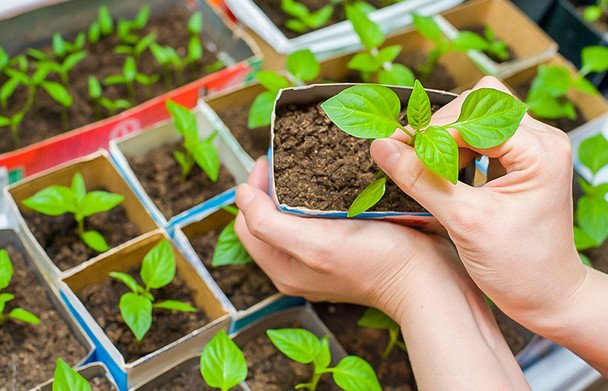
Starting seeds this early requires a heated greenhouse or the use of intensive grow lights. Early peppers have a maturation period of 100 to 120 days, and their seedlings should be 60–70 days old before transplanting. The optimal sowing window for these early types also falls within the first half of March. For mid-season varieties, seedlings need 65–75 days to develop, and their full growth cycle lasts approximately four and a half months.
Late-season varieties require a longer seedling phase of 70–80 days before they are ready for the garden. Their complete development cycle is extensive, taking 140–160 days. If planning to transplant into a heated greenhouse by early April, the seeds must be sown in January.
Selecting the right variety can greatly influence your harvest. High-yielding hybrid options like Hercules F1, Gemini F1, Husky, Claudio, and Barbie are excellent choices for market gardeners and serious home growers seeking reliable productivity.
Adhering to these recommended sowing dates and carefully selecting varieties are therefore essential steps for achieving a bountiful sweet pepper harvest. Growers must consider the specific requirements of each cultivar and their local climate to ensure optimal plant development and maximize their crop's potential. This knowledge is increasingly important as shifting weather patterns continue to challenge traditional gardening practices.
Read also
- How to Make the Perfect Apricot and Plum Compote for Winter Storage
- The Secret Ingredient That Transforms Ordinary Cutlets into Juicy Perfection
- 30-Minute Baked Zucchini: A Simple Recipe from 'Kitchen with Marina'
- A Quick and Easy Salad with Young Cabbage and Radishes for Lunch or Dinner
- Jeans That Secretly Make You Look Heavier: Who Should Avoid Them
- 30-Minute Potato Dough Pies with Cheese and Ham: A Quick Family Recipe