Travel Abroad Now Allowed for Formerly 'Limited Fit' Individuals—But a Key Condition Applies.

Updated Border Crossing Rules for Those Previously Classified as 'Limited Fit'
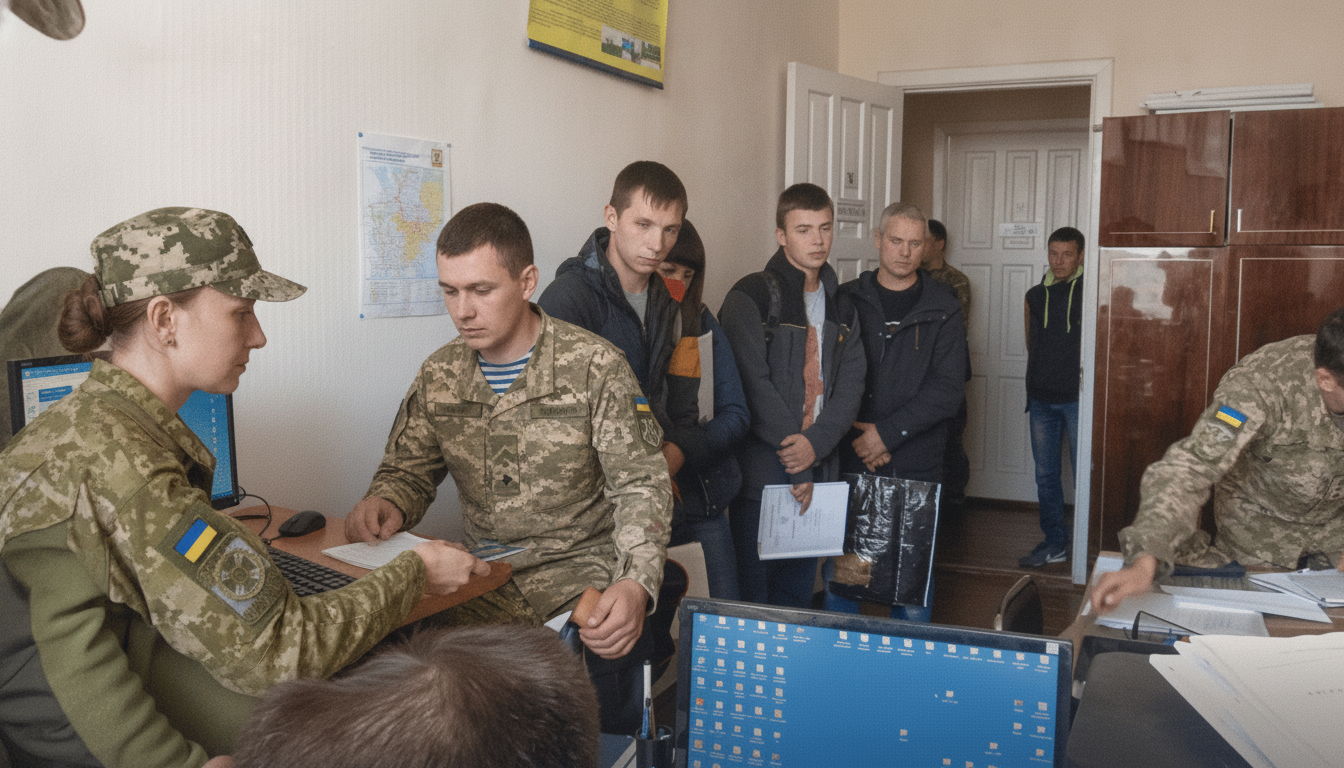
According to Novyny.live: During martial law, individuals who were once designated as 'limited fit' can now enter and leave Ukraine—provided they have secured a deferment. However, they must undergo a fresh military medical board evaluation. This shift follows the abolition of the 'limited fit' category, a move aimed at streamlining procedures for those eligible for mobilization.
Under the revised regulations, former 'limited fit' citizens are required to complete new military medical board assessments within the legally mandated timeframe. Mobilization for these individuals can begin before they turn 25. Although the Verkhovna Rada has already passed the relevant law, it has yet to be signed by President Volodymyr Zelenskyy, leaving some uncertainty about its final implementation.
Exit Challenges and New Requirements
Experts indicate that crossing the border should not pose problems. As Vyacheslav Kyrdan noted,
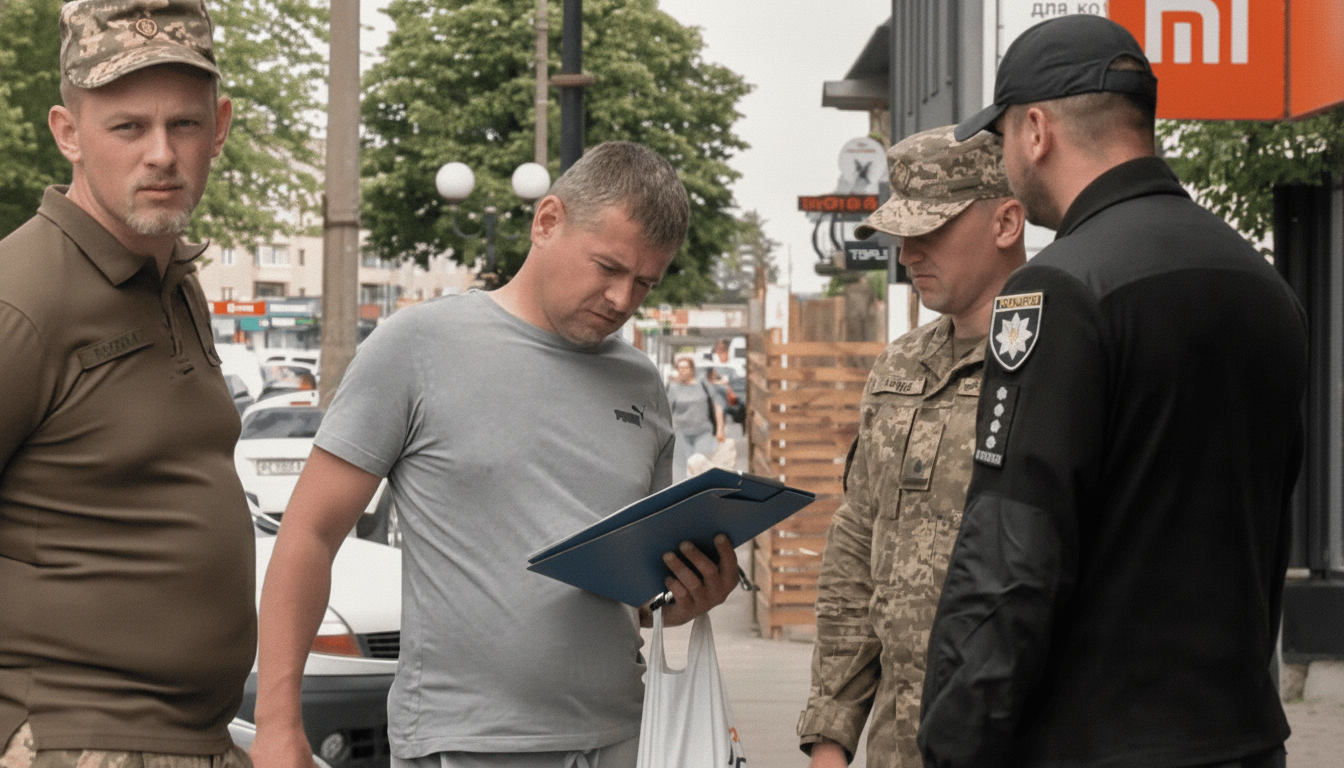
“the absence of a military medical board assessment has no impact here.”Still, a crucial detail is that travel abroad is only permitted when accompanied by a child. Vladyslav Deriy further emphasized that the 'limited fit' status does not affect border crossings, but territorial recruitment and social support centers (TCCs) may still require individuals to undergo a medical examination, even if they already have a deferment.
In summary, the updated entry and exit rules for former 'limited fit' citizens offer some flexibility but demand strict adherence to military medical board procedures to avoid receiving summons for failing to complete the assessment.
These legislative changes aim to ease mobility for former 'limited fit' individuals during martial law, especially as many seek opportunities to travel abroad. Yet, the mandatory repeat medical board evaluations could become an added burden for those planning to leave, requiring both time and resources. Maintaining oversight of these processes remains critical, as the country continues to navigate the challenges of mobilization and national security.
Read also
- Ukraine Loses 800,000 People Annually: Key Drivers Revealed
- Czech Passport Fees in 2026: What Ukrainians in the Country Need to Know
- Ukraine and Germany Launch Joint Initiative to Repatriate 350,000 Draft-Eligible Men
- Germany Overhauls Benefits for Ukrainian Refugees: Key Changes to Payments and Job Rules
- Who Can Leave Ukraine During Martial Law: A Guide to Military Registration and Border Crossings
- EU Weighs Changes to Temporary Protection for Ukrainians: What’s on the Table